 Back
BackSalts and Solubility: Medicinal Chemistry Study Guide
Study Guide - Smart Notes
 Tailored notes based on your materials, expanded with key definitions, examples, and context.
Salts and Solubility in Medicinal Chemistry
Introduction to Salts and Solubility
Drug molecules are often formulated as salts to optimize their solubility, absorption, and therapeutic properties. The balance between water and lipid solubility is crucial for drug efficacy, metabolism, and route of administration.
Salt Formation: Salts are ionic compounds formed when acids react with bases, resulting in a cation and anion.
Therapeutic Relevance: Salt forms can enhance water or lipid solubility, affecting oral absorption, dosage form, and elimination.
Structural Modifications: Addition, deletion, or alteration of functional groups can change solubility and drug properties.
What is a Salt?
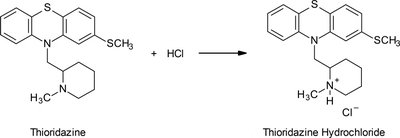
A salt is produced by the reaction of an acid and a base, resulting in an electronically neutral compound. For example, sodium chloride is formed from sodium hydroxide and hydrochloric acid.
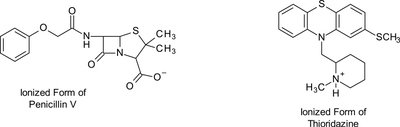
Drug Application: Acidic drugs (e.g., penicillin V) react with bases to form salts; basic drugs (e.g., thioridazine) react with acids.
Salt vs. Ionized Form: Salt forms contain a counterion, while ionized forms do not.

Inorganic Salts
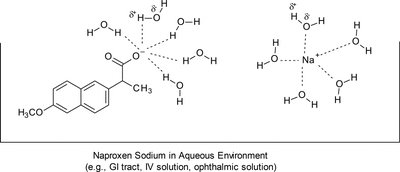
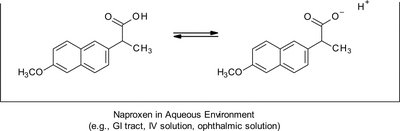
Inorganic salts are formed when drug molecules react with inorganic acids or bases. These salts enhance water solubility by dissociating easily in aqueous environments.
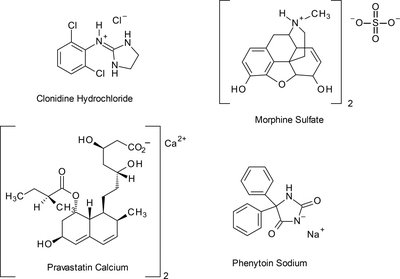
Common Inorganic Salts: Sodium, potassium, calcium salts for acidic drugs; hydrochloride, hydrobromide, sulfate, phosphate salts for basic drugs.
Advantages: Enhanced solvation, dissolution, and oral absorption.
Organic Salts
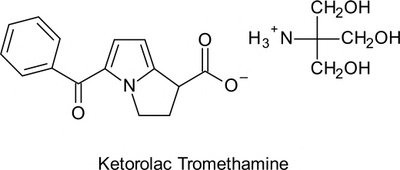
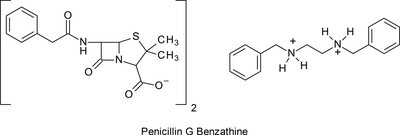
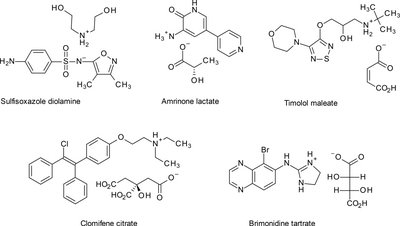
Organic salts are formed by combining drugs with organic molecules containing acidic or basic functional groups. These can be water-soluble or lipid-soluble, depending on their composition.
Water-Soluble Organic Salts: Enhance solvation and dissolution; commonly use sugars or glycolysis intermediates.
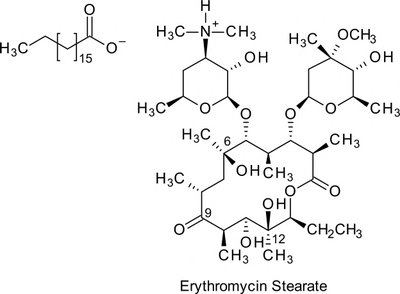
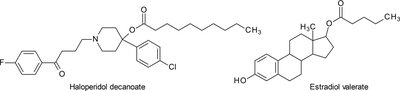
Lipid-Soluble Organic Salts: Decrease water solubility and enhance lipid solubility; used for depot injections and improving oral bioavailability.
Drug Interactions with Organic Salts
Unintended formation of organic salts can lead to drug interactions, especially in parenteral solutions, resulting in decreased solubility and potential precipitation.
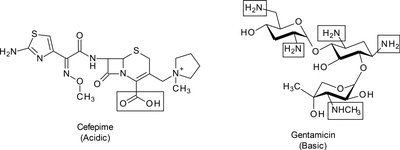
Example: Cefepime (acidic) and gentamicin (basic) can form less soluble salts when mixed.
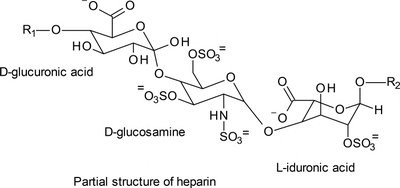
Heparin: Highly water-soluble; basic drugs can precipitate when administered together.
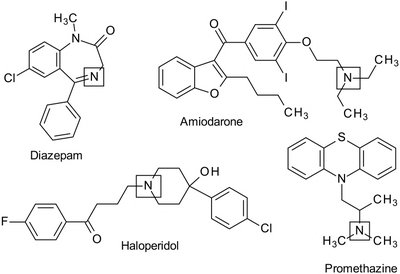
Identifying Acidic and Basic Drug Molecules from Salt Names
The name of a drug's salt form can indicate whether the parent molecule is acidic or basic. For example, sodium salts are formed from acidic drugs, while hydrochloride salts are formed from basic drugs.
Nomenclature: Suffixes like -ate, -ite, or -ide indicate the acid used in salt formation.
Table: Common salt forms and their acid/base nature.
Name of Salt Form | Molecule Used | Acid/Base Nature |
|---|---|---|
Carboprost tromethamine | Tromethamine (organic base) | Acidic |
Clomipramine hydrochloride | Hydrochloric acid (inorganic acid) | Basic |
Fosphenytoin sodium | Sodium hydroxide (inorganic base) | Acidic |
Metoprolol tartrate | Tartaric acid (organic acid) | Basic |
Streptomycin sulfate | Sulfuric acid (inorganic acid) | Basic |
Pravastatin calcium | Calcium hydroxide (inorganic base) | Acidic |
Solubility and Partition Coefficients
The partition coefficient (P) measures the ratio of a drug's solubility in an organic solvent to its solubility in water. It is often expressed as log P.
Equation:
Distribution Coefficient (D): Accounts for ionized and unionized forms; varies with pH.
Log P Interpretation: Higher log P = more lipid soluble; lower log P = more water soluble.
Analyzing Drug Molecules for Solubility
Functional groups determine a drug's hydrophilic (water-soluble) or hydrophobic (lipid-soluble) nature. Ionizable and hydrogen-bonding groups increase hydrophilicity; aromatic rings, halogens, and hydrocarbons increase hydrophobicity.
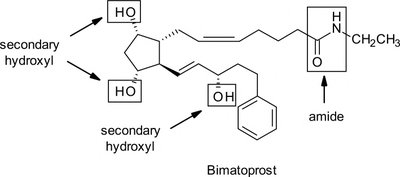
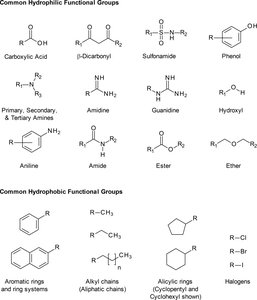
Comparing Hydrophilicity and Hydrophobicity
Drugs can be ranked by their solubility based on functional group analysis. Highly hydrophilic drugs contain many ionizable or hydrogen-bonding groups; highly hydrophobic drugs lack these and are rich in hydrocarbons.
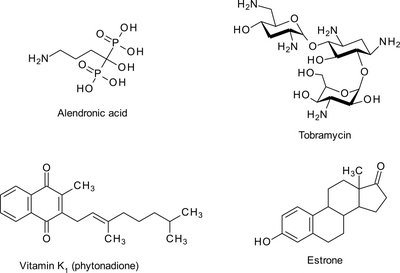
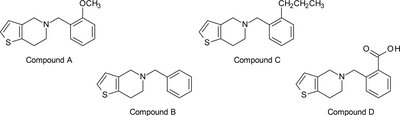
Structural Alterations and Solubility
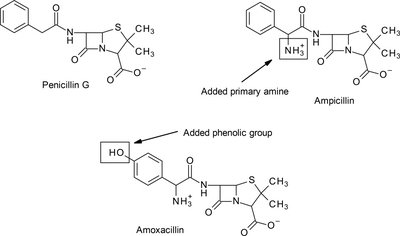
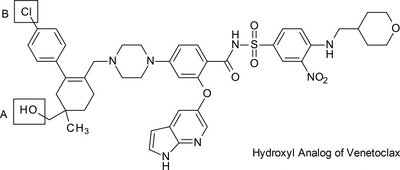
Structural changes, such as adding or replacing functional groups, can alter a drug's solubility and log P value. Comparing analogs helps predict solubility changes.
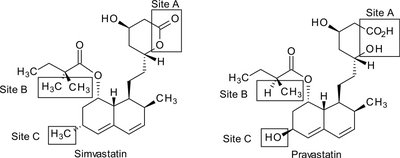
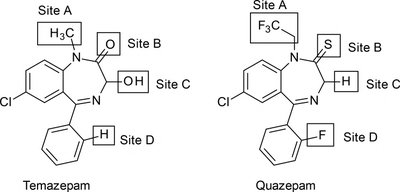
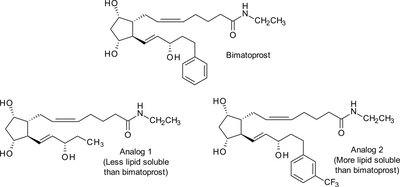
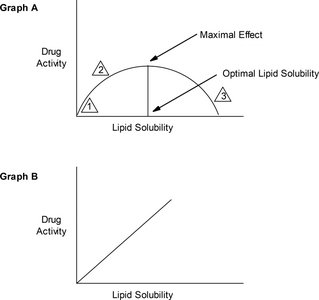
Balance Between Water and Lipid Solubility
Most drugs require a balance between water and lipid solubility for optimal absorption and activity. Highly water-soluble drugs dissolve easily but may not cross lipid membranes; highly lipid-soluble drugs cross membranes but may not dissolve well.

Strategies for Optimizing Solubility
Three main strategies are used to optimize drug solubility:
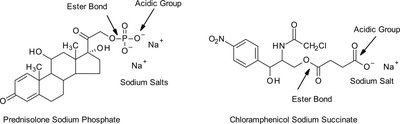
Use of Salts: Inorganic and organic salts enhance water or lipid solubility.
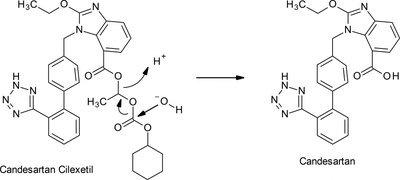
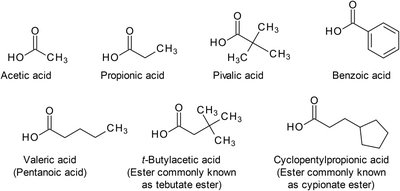
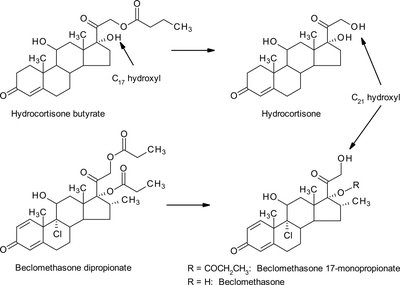
Ester Prodrugs: Covalent modification to form water- or lipid-soluble esters, which are bioactivated in vivo.
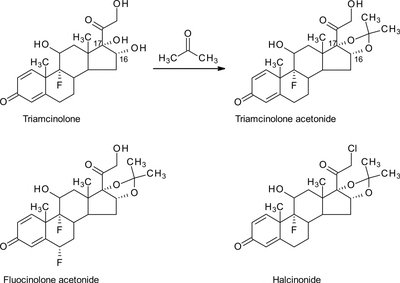
Functional Group Alteration: Replacement or modification of functional groups to permanently change solubility.

Influence of Solubility on Drug Metabolism
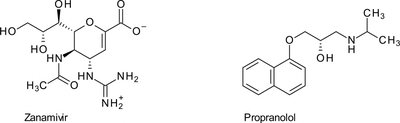
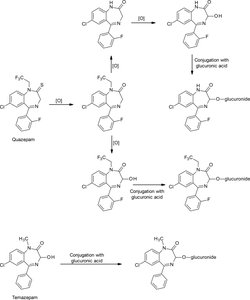
Solubility affects drug metabolism and elimination. Highly water-soluble drugs are often excreted unchanged, while lipid-soluble drugs undergo extensive metabolism and may be subject to drug interactions.
Therapeutic Advantages of Solubility Enhancement
Water Solubility: Enhances dissolution, allows concentrated solutions, reduces metabolism, and increases urinary concentrations.
Lipid Solubility: Enables membrane crossing, depot injections, CNS effects, plasma protein binding, palatable suspensions, and delayed gastric dissolution.
Structural Analysis Checkpoints
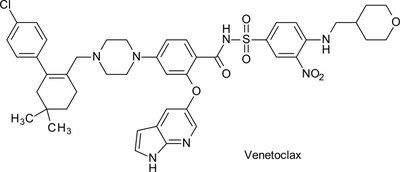
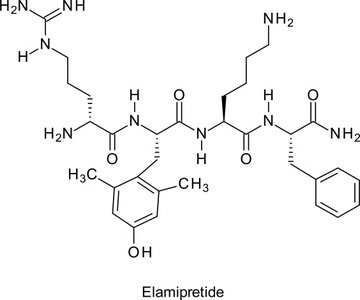
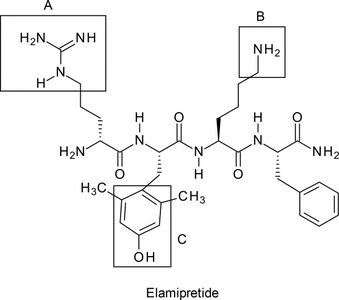
Checkpoint exercises involve evaluating drug structures for solubility, salt formation, and functional group contributions. For example, venetoclax and elamipretide are analyzed for salt forms, solubility, and potential modifications.
Review Questions and Applications
Review questions test understanding of salt formation, solubility, and structural analysis for various drugs, including verapamil, rosuvastatin, amlodipine besylate, loxapine succinate, citalopram, tetracyclines, retinoids, antifungals, hydrocortisone, and others.
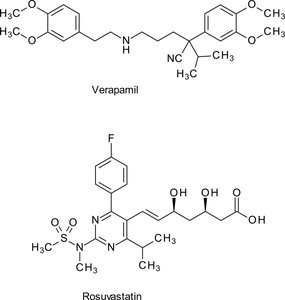
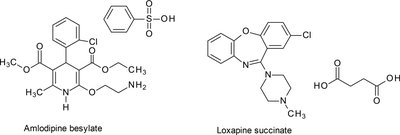
These exercises reinforce the importance of functional group analysis, solubility prediction, and therapeutic application in medicinal chemistry.
