 Back
BackSkin and Body Membranes: Structure, Types, and Functions
Study Guide - Smart Notes
 Tailored notes based on your materials, expanded with key definitions, examples, and context.
Skin and Body Membranes
Overview of Body Membranes
Body membranes are thin layers of tissue that cover surfaces, line body cavities, and form protective and lubricating sheets around organs. They play essential roles in protection, secretion, and absorption throughout the body.
Cover surfaces: Such as the skin covering the external body.
Line body cavities: Including both open and closed cavities.
Form protective and lubricating sheets: Around organs to reduce friction and provide support.
Classification of Body Membranes
Main Types of Body Membranes
Body membranes are classified based on their tissue composition and location:
Epithelial membranes: Include cutaneous, mucous, and serous membranes.
Connective tissue membranes: Primarily synovial membranes.
Epithelial Membranes
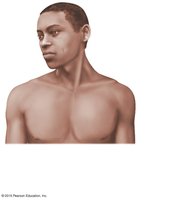
Cutaneous Membrane (Skin)
The cutaneous membrane, commonly known as the skin, is the body's largest organ and serves as a protective barrier against environmental hazards.
Structure: Composed of stratified squamous epithelium and underlying connective tissue.
Function: Protects internal organs, prevents dehydration, and aids in temperature regulation.
Mucous Membranes
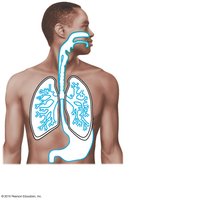
Mucous membranes line all body cavities that open to the exterior, such as the digestive, respiratory, urinary, and reproductive tracts. They are adapted for absorption and secretion.
Epithelium type depends on location:
Stratified squamous epithelium: Found in the mouth and esophagus.
Simple columnar epithelium: Found in the rest of the digestive tract.
Underlying connective tissue: Called the lamina propria.
Moist membranes: Kept moist by secretions for absorption or secretion.
Serous Membranes (Serosa)
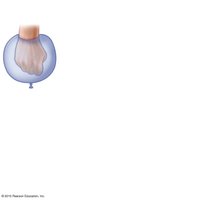
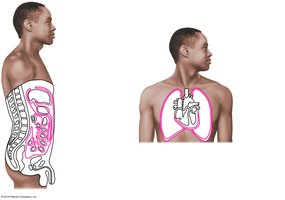
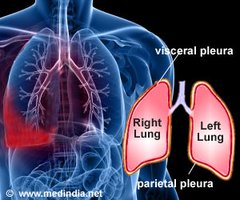
Serous membranes line body cavities that are closed to the exterior and cover the organs within these cavities. They are composed of a layer of simple squamous epithelium resting on a thin layer of areolar connective tissue.
Structure: Occur in pairs separated by serous fluid.
Visceral layer: Covers the outside of organs.
Parietal layer: Lines the cavity wall.
Serous fluid: Lubricates and reduces friction between moving organs.
Membrane Homeostatic Imbalance
Common Disorders of Body Membranes
Disorders of body membranes can lead to inflammation and impaired function. Some common conditions include:
Pleurisy: Inflammation of the pleura (serous membrane surrounding the lungs).
Peritonitis: Inflammation of the peritoneum (serous membrane lining the abdominal cavity).
Synovitis: Inflammation of the synovial membrane (lining joints).
Meningitis: Inflammation of the meninges (membranes covering the brain and spinal cord).
Connective Tissue Membranes
Synovial Membranes
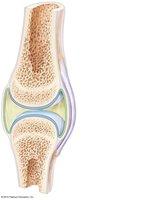
Synovial membranes are composed entirely of areolar connective tissue and are found lining the fibrous capsules surrounding joints, as well as bursae and tendon sheaths. They secrete synovial fluid, which lubricates and nourishes joint tissues.
Location: Joints, bursae, and tendon sheaths.
Function: Secretes synovial fluid to reduce friction and support smooth joint movement.
Summary Table: Types of Body Membranes
Type | Location | Main Tissue | Function |
|---|---|---|---|
Cutaneous | External body surface (skin) | Stratified squamous epithelium + connective tissue | Protection, sensation, temperature regulation |
Mucous | Body cavities open to exterior (digestive, respiratory, etc.) | Epithelium (varies) + lamina propria | Absorption, secretion, protection |
Serous | Closed body cavities (pleura, pericardium, peritoneum) | Simple squamous epithelium + areolar tissue | Lubrication, reduces friction |
Synovial | Joint cavities, bursae, tendon sheaths | Areolar connective tissue | Secretes synovial fluid for joint lubrication |
