 Back
Study Notes: Blood (Chapter 17) – Structure, Function, and Hemostasis
Study Guide - Smart Notes
 Tailored notes based on your materials, expanded with key definitions, examples, and context.
Blood: Introduction and Functions
Overview of Blood
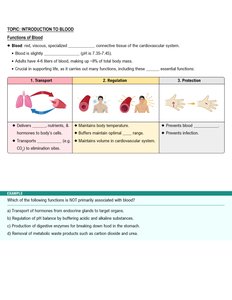
Blood is a specialized connective tissue that plays a vital role in the cardiovascular system. It is a red, viscous fluid that circulates throughout the body, delivering essential substances and removing wastes. Adults typically have 4–6 liters of blood, accounting for about 8% of total body mass.
Blood Functions: Transport, regulation, and protection.
Transport: Delivers oxygen and nutrients to cells, removes metabolic wastes, and transports hormones.
Regulation: Maintains body temperature, pH, and fluid volume.
Protection: Prevents infection and blood loss through clotting mechanisms.
Composition of Blood
Major Components
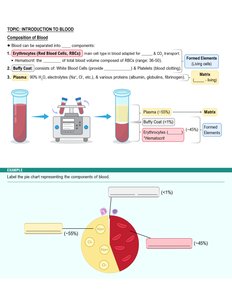
Blood consists of two main components: plasma (the liquid matrix) and formed elements (cells and cell fragments).
Plasma: Makes up about 55% of blood volume; contains water, electrolytes, proteins (albumin, globulins, fibrinogen), nutrients, hormones, and waste products.
Formed Elements: Include erythrocytes (red blood cells, RBCs), leukocytes (white blood cells, WBCs), and platelets (thrombocytes).
Buffy Coat: Thin layer between plasma and RBCs after centrifugation; contains WBCs and platelets.
Erythrocytes (Red Blood Cells)
Structure of Erythrocytes
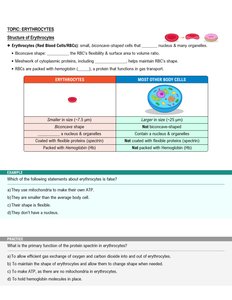
Erythrocytes are small, biconcave-shaped cells that lack nuclei and most organelles. Their shape increases surface area for gas exchange and allows flexibility to pass through capillaries.
Key Features: Diameter ~7.5 μm; no nucleus; packed with hemoglobin for oxygen transport.
Comparison: Most other body cells are larger, nucleated, and contain organelles.
Function of Hemoglobin
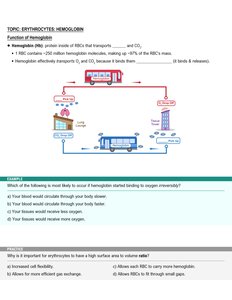
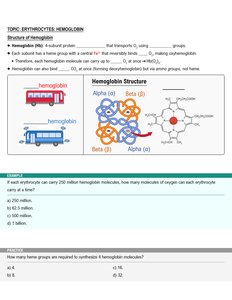
Hemoglobin (Hb) is the protein inside RBCs responsible for transporting oxygen (O2) and carbon dioxide (CO2).
Each RBC contains about 250 million hemoglobin molecules.
Hemoglobin binds O2 in the lungs and releases it in tissues; it also carries some CO2 back to the lungs.
Structure of Hemoglobin
Hemoglobin is a tetrameric protein composed of four polypeptide chains (two alpha and two beta), each with a heme group that binds one O2 molecule.
Heme Group: Contains iron, which reversibly binds oxygen.
Oxygen Carrying Capacity: Each RBC can carry up to 1 billion O2 molecules.
Leukocytes (White Blood Cells)
Introduction to Leukocytes
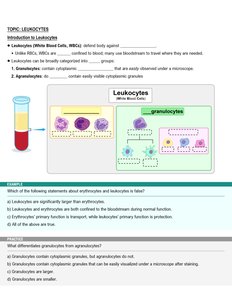
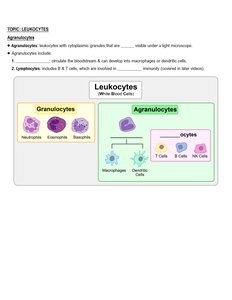
Leukocytes defend the body against infection and disease. Unlike RBCs, WBCs are complete cells with nuclei and organelles. They can leave the bloodstream to reach tissues where needed.
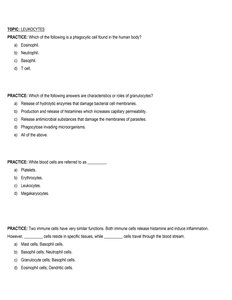
Types: Granulocytes (with visible cytoplasmic granules) and agranulocytes (without visible granules).
Granulocytes
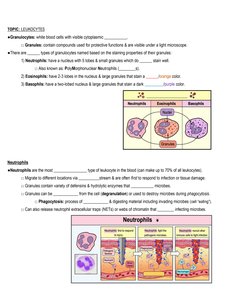
Granulocytes are WBCs with visible granules in their cytoplasm. They include neutrophils, eosinophils, and basophils.
Neutrophils: Most abundant; phagocytize bacteria and are first responders to infection.
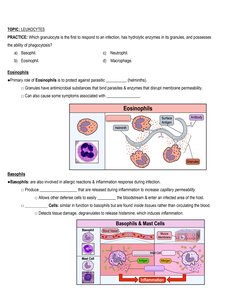
Eosinophils: Combat parasitic infections and modulate allergic responses.
Basophils: Release histamine during allergic reactions and inflammation.
Agranulocytes
Agranulocytes lack visible cytoplasmic granules and include lymphocytes and monocytes.
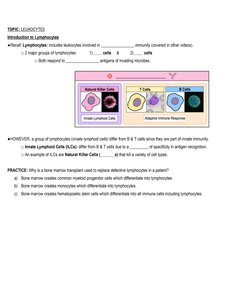
Lymphocytes: Key cells in adaptive immunity; include B cells, T cells, and natural killer (NK) cells.
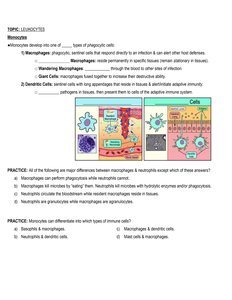
Monocytes: Differentiate into macrophages and dendritic cells, which are phagocytic and antigen-presenting cells.
Platelets and Hemostasis
Introduction to Platelets
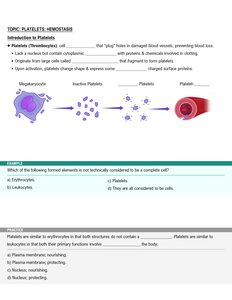
Platelets (thrombocytes) are cell fragments derived from megakaryocytes. They play a crucial role in stopping blood loss by forming plugs in damaged vessels and initiating clotting.
Structure: Lack nuclei; contain granules with clotting factors.
Function: Adhere to damaged endothelium, aggregate, and release chemicals to promote clotting.
Hemostasis: The Process of Blood Clotting
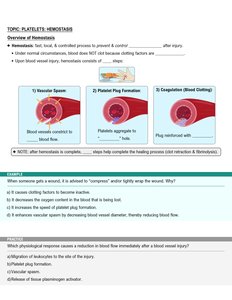
Hemostasis is a rapid, localized process that prevents blood loss after vessel injury. It involves three main steps:
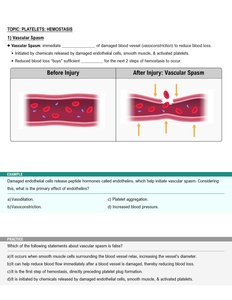
Vascular Spasm: Vasoconstriction reduces blood flow to the injured area.
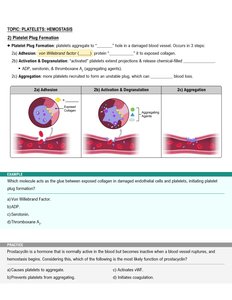
Platelet Plug Formation: Platelets adhere to exposed collagen, become activated, and aggregate to form a temporary plug.
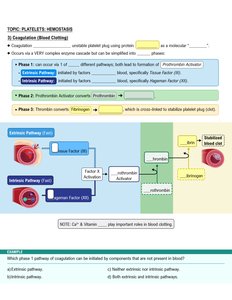
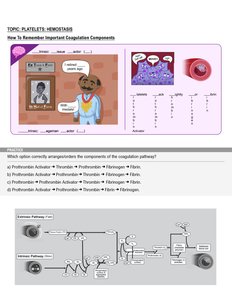
Coagulation (Blood Clotting): A cascade of reactions converts fibrinogen to fibrin, stabilizing the platelet plug into a clot.
Clot Retraction and Fibrinolysis
After a clot forms, it retracts to bring wound edges together and facilitate healing. Fibrinolysis then dissolves the clot once healing is complete.
Clot Retraction: Platelets contract, pulling fibrin strands and wound edges closer.
Fibrinolysis: Plasminogen is converted to plasmin, which digests fibrin and dissolves the clot.
Summary Table: Formed Elements of Blood
Formed Element | Main Function | Key Features |
|---|---|---|
Erythrocytes (RBCs) | Transport O2 and CO2 | Biconcave, no nucleus, packed with hemoglobin |
Leukocytes (WBCs) | Defense against pathogens | Complete cells, various types (granulocytes, agranulocytes) |
Platelets | Clot formation | Cell fragments, contain clotting factors |
Key Equations and Concepts
Oxygen Carrying Capacity:
Hemoglobin Structure:
Additional info: These notes are based on Marieb & Hoehn's Human Anatomy & Physiology, Chapter 17, and are suitable for ANP college students preparing for exams on blood structure, function, and hemostasis.
