 Back
BackThe Appendicular Skeleton: Structure and Features of the Upper Limb
Study Guide - Smart Notes
 Tailored notes based on your materials, expanded with key definitions, examples, and context.
Appendicular Skeleton
Overview of the Appendicular Skeleton
The appendicular skeleton consists of the bones of the limbs and the girdles that attach them to the axial skeleton. It is essential for movement and manipulation of the environment. The upper limb includes the pectoral girdle, arm, forearm, and hand.
Pectoral girdle: Composed of the clavicle and scapula, connecting the upper limb to the trunk.
Arm: Contains the humerus, the single bone of the upper arm.
Forearm: Includes the radius and ulna.
Hand: Consists of carpals (wrist), metacarpals (palm), and phalanges (fingers).
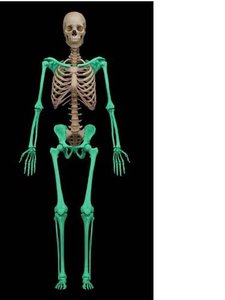
Pectoral Girdle
Clavicle
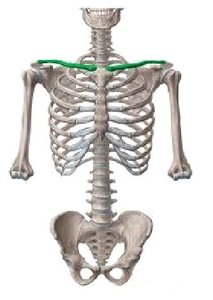
The clavicle (collarbone) is a slender, S-shaped bone that acts as a strut between the sternum and scapula. It stabilizes the shoulder and allows for a wide range of arm movements.
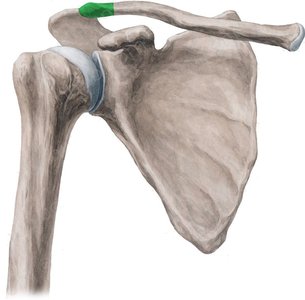
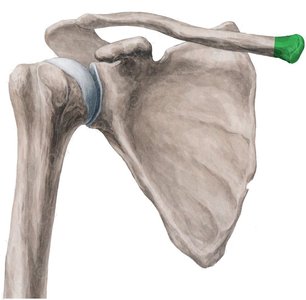
Sternal end: Articulates with the manubrium of the sternum.
Acromial end: Articulates with the acromion of the scapula.
Scapula
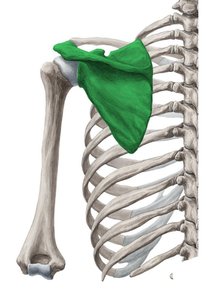
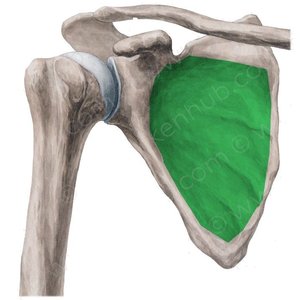
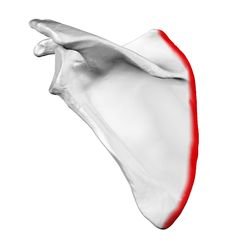
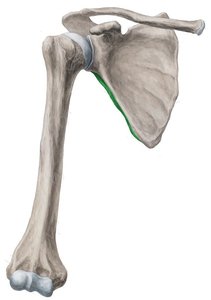
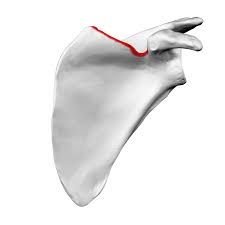
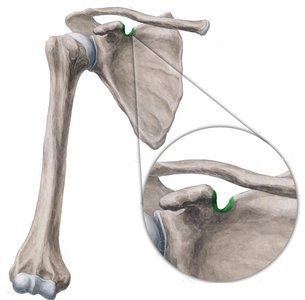
The scapula (shoulder blade) is a flat, triangular bone that provides attachment points for muscles and articulates with the humerus and clavicle.
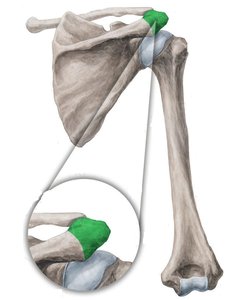
Acromion: Lateral projection that articulates with the clavicle.
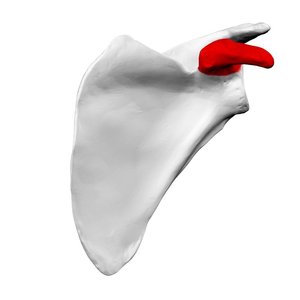
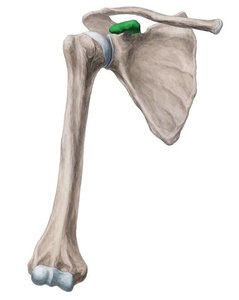
Coracoid process: Provides attachment for muscles of the arm and chest.
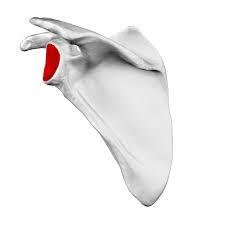
Glenoid cavity: Shallow socket that articulates with the head of the humerus.
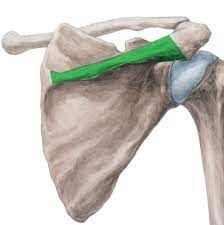
Spine: Prominent ridge on the posterior surface.
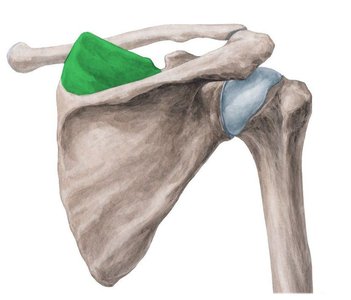
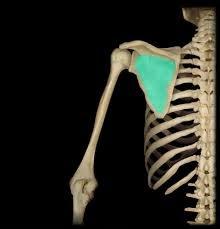
Subscapular fossa: Broad depression on the anterior surface.
Arm
Humerus
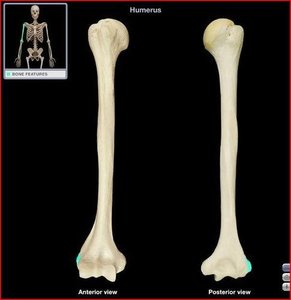
The humerus is the bone of the upper arm, articulating proximally with the scapula and distally with the radius and ulna. It is crucial for arm movement and muscle attachment.
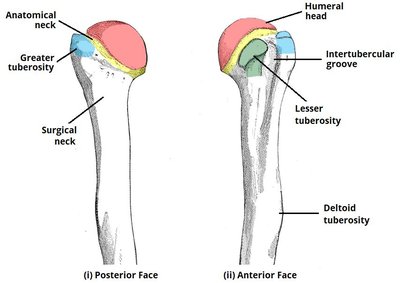
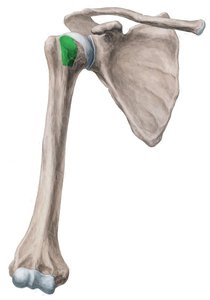
Head: Articulates with the glenoid cavity of the scapula.
Anatomical neck: Slightly constricted region below the head.
Surgical neck: Common site of fractures.
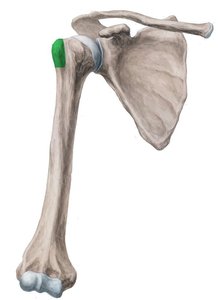
Greater and lesser tubercles: Sites for muscle attachment.
Deltoid tuberosity: Attachment for the deltoid muscle.
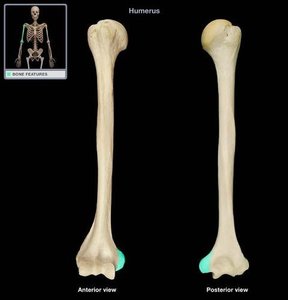
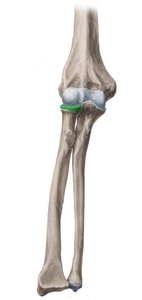
Capitulum and trochlea: Distal articular surfaces for the radius and ulna.
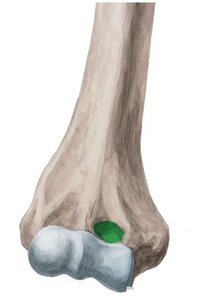
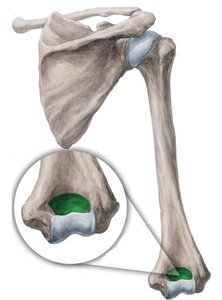
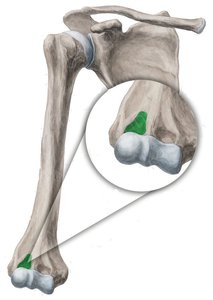
Olecranon fossa: Accommodates the olecranon of the ulna during elbow extension.
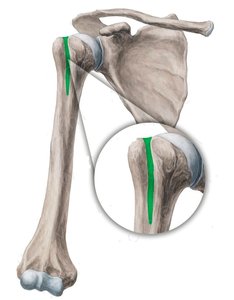
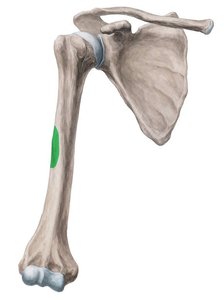
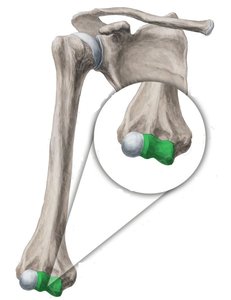
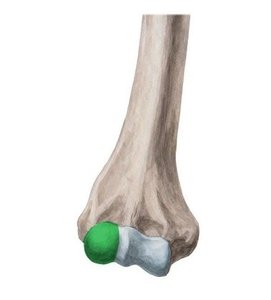
Forearm
Radius and Ulna
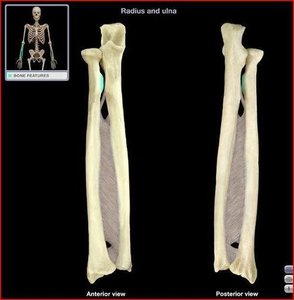
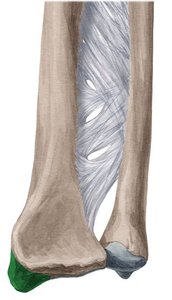
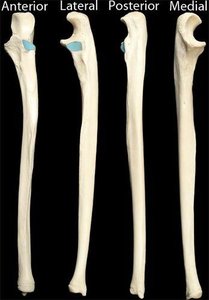
The radius and ulna are the two bones of the forearm. The radius is lateral (thumb side), and the ulna is medial (little finger side). They articulate with each other at the proximal and distal radioulnar joints and with the humerus at the elbow.
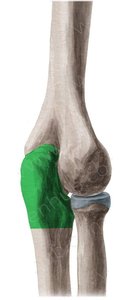
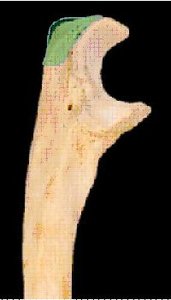
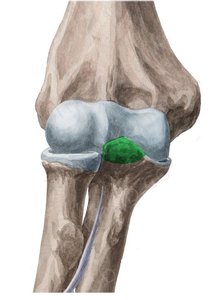
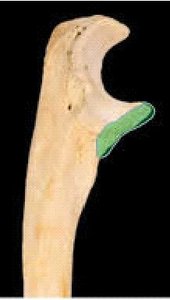
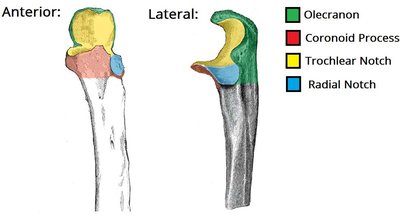
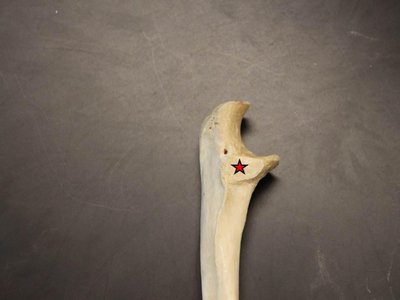
Olecranon: Proximal end of the ulna, forms the elbow.
Coronoid process: Anterior projection of the ulna.
Trochlear notch: Articulates with the trochlea of the humerus.
Radial notch: Articulates with the head of the radius.
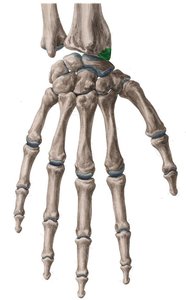
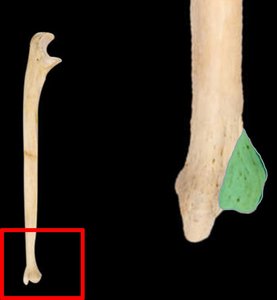
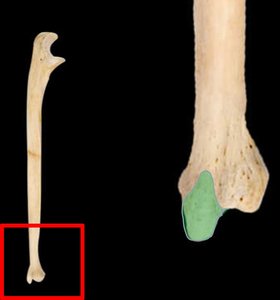
Styloid process: Distal projections of both radius and ulna.
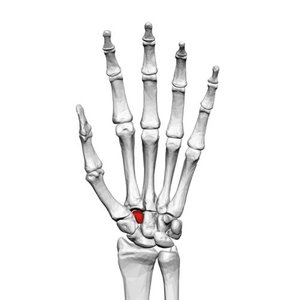
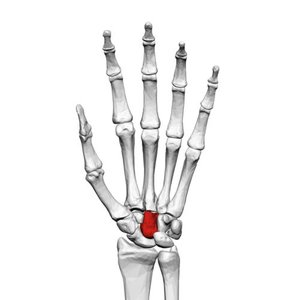
Hand
Carpals, Metacarpals, and Phalanges
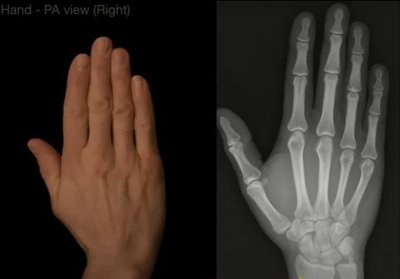
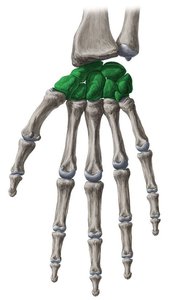
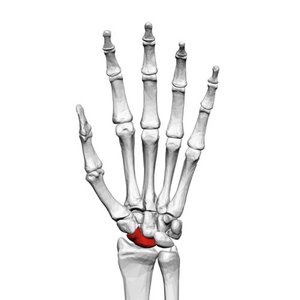
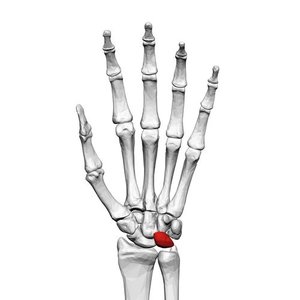
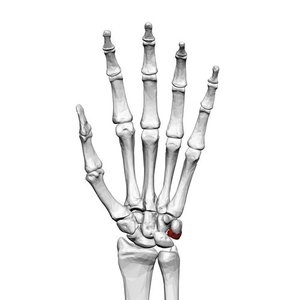
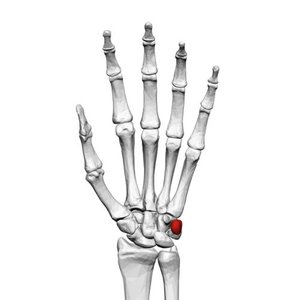
The hand consists of three groups of bones: carpals (wrist), metacarpals (palm), and phalanges (fingers). The carpal bones are arranged in two rows and allow for flexibility and movement of the wrist.
Carpals: Eight bones forming the wrist.
Metacarpals: Five bones forming the palm.
Phalanges: Fourteen bones forming the fingers.
Summary Table: Major Bones and Features of the Upper Limb
Region | Bone | Key Features |
|---|---|---|
Pectoral Girdle | Clavicle | Sternal end, Acromial end |
Pectoral Girdle | Scapula | Acromion, Coracoid process, Glenoid cavity, Spine |
Arm | Humerus | Head, Anatomical neck, Surgical neck, Greater/Lesser tubercle, Deltoid tuberosity, Capitulum, Trochlea, Olecranon fossa |
Forearm | Radius | Head, Styloid process |
Forearm | Ulna | Olecranon, Coronoid process, Trochlear notch, Styloid process |
Hand | Carpals | Scaphoid, Lunate, Triquetrum, Pisiform, Trapezium, Trapezoid, Capitate, Hamate |
Hand | Metacarpals | I-V (thumb to little finger) |
Hand | Phalanges | Proximal, Middle, Distal (except thumb) |
Example: The humerus articulates with the scapula at the glenoid cavity, forming the shoulder joint, and with the radius and ulna at the elbow joint, allowing for flexion and extension of the forearm.
Additional info: The appendicular skeleton is essential for locomotion and manipulation, and its structure reflects the functional demands placed on the upper limb.
