 Back
BackThe Chemical Level of Organization: Foundations for Anatomy & Physiology
Study Guide - Smart Notes
 Tailored notes based on your materials, expanded with key definitions, examples, and context.
The Levels of Organization in the Human Body
From Atoms to Organisms
The human body is organized into a hierarchy of structural levels, each building upon the previous. Understanding these levels is essential for grasping how complex biological systems function.
Chemical Level: Atoms combine to form molecules, which are the building blocks of cells.
Cellular Level: Molecules form organelles, which make up cells—the basic units of life.
Tissue Level: Similar cells work together to perform specific functions, forming tissues.
Organ Level: Different tissues combine to form organs, each with specialized functions.
Organ System Level: Organs work together in organ systems to perform complex functions.
Organism Level: All organ systems function together to sustain the living organism.
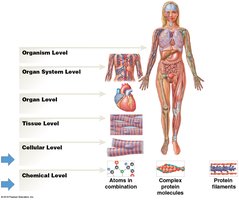
The Chemical Level of Organization
Why Chemistry Matters in Anatomy & Physiology
Chemistry is fundamental to understanding biological molecules, cellular processes, and ultimately, the structure and function of tissues, organs, and organ systems. Matter, defined as anything that takes up space and has mass, is the foundation of all biological structures.
Atoms and Elements
Structure of Atoms
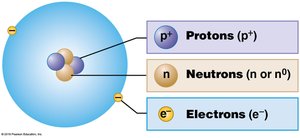
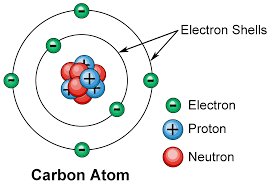
Atoms are the smallest stable units of matter, composed of subatomic particles:
Protons (p+): Positively charged particles found in the nucleus.
Neutrons (n or n0): Electrically neutral particles also located in the nucleus.
Electrons (e–): Negatively charged particles that orbit the nucleus in an electron cloud.
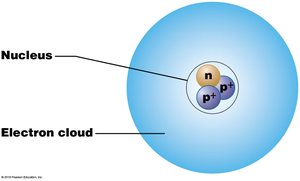
Nucleus and Electron Cloud
The nucleus, containing protons and neutrons, is at the center of the atom. The electron cloud surrounds the nucleus and is where electrons are likely to be found. The mass of an atom is primarily determined by the number of protons and neutrons.
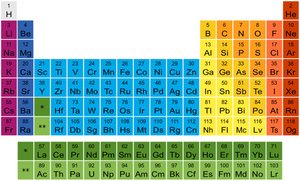
Elements and the Periodic Table
Elements are pure substances consisting of only one type of atom. Each element is defined by its atomic number (number of protons). The periodic table organizes all known elements by their properties and atomic numbers.
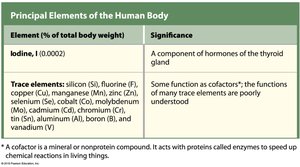
Principal Elements of the Human Body
The human body is composed primarily of a few key elements, with others present in trace amounts. These elements are essential for various physiological processes.
Element | % of Total Body Weight | Significance |
|---|---|---|
Iodine | 0.0002 | Component of thyroid hormones |
Trace elements (e.g., Si, F, Cu, Mn, Zn, Se, Co, Mo, Cd, Cr, Sn, Al, B, V) | Trace | Some function as cofactors; many functions are poorly understood |
Atomic Structure and Variations
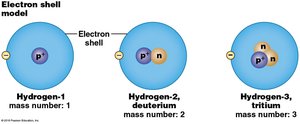
Atomic Number, Mass Number, and Isotopes
Atomic Number: Number of protons in the nucleus; defines the element.
Mass Number: Total number of protons and neutrons in the nucleus.
Isotopes: Atoms of the same element with different numbers of neutrons, resulting in different mass numbers.
Ions
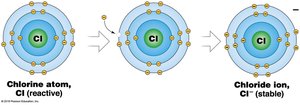
Ions are atoms that have gained or lost electrons, resulting in a net electrical charge:
Cation: Positively charged ion (lost electrons).
Anion: Negatively charged ion (gained electrons).
Electron Shells and Chemical Bonding
Electron Shells and Valence Electrons
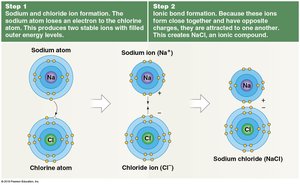
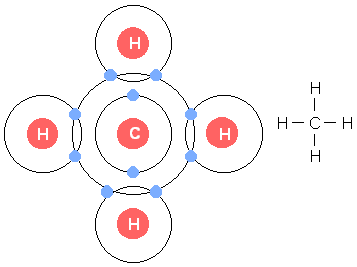
Electrons occupy energy levels or shells around the nucleus. The outermost shell, called the valence shell, determines an atom's chemical properties and reactivity. Atoms are most stable when their valence shell is full.
Types of Chemical Bonds
Ionic Bonds: Formed when electrons are transferred from one atom to another, creating oppositely charged ions that attract each other (e.g., NaCl).
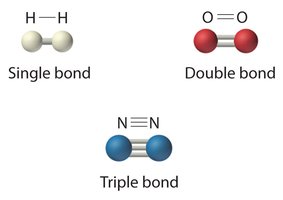
Covalent Bonds: Formed when atoms share electrons. Can be single, double, or triple bonds depending on the number of shared electron pairs.
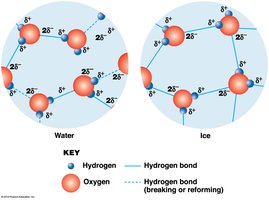
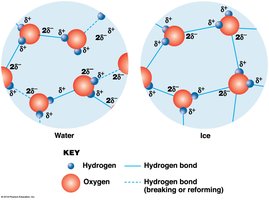
Hydrogen Bonds: Weak attractions between the positive end of one polar molecule (often hydrogen) and the negative end of another (often oxygen or nitrogen).
Chemical Reactions and Energy
Types of Chemical Reactions
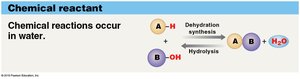
Decomposition: Breaking a molecule into smaller fragments (e.g., hydrolysis).
Synthesis: Combining smaller fragments to form larger molecules (e.g., dehydration synthesis).
Exchange: Atoms are shuffled between molecules, involving both decomposition and synthesis.

Energy in Chemical Reactions
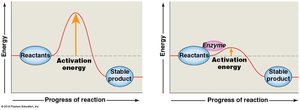
Activation Energy: Minimum energy required to start a reaction.
Enzymes: Biological catalysts that lower activation energy, speeding up reactions without being consumed.
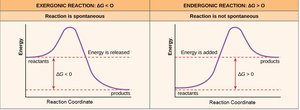
Exergonic Reactions: Release energy (spontaneous).
Endergonic Reactions: Require energy input (not spontaneous).
Water: The Essential Compound
Properties of Water
Polarity: Water molecules have polar covalent bonds, leading to hydrogen bonding.
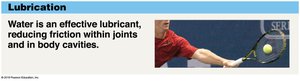
Lubrication: Reduces friction between surfaces in the body.
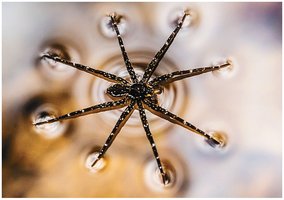
Cohesion & Adhesion: Water molecules stick to each other (cohesion) and to other surfaces (adhesion), enabling capillary action.
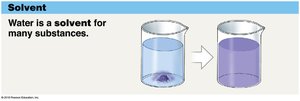
Solvent: Water dissolves more substances than any other liquid, making it the universal solvent.
High Heat Capacity: Water absorbs and retains heat, helping regulate body temperature.
Density: Water is less dense as a solid (ice) than as a liquid, allowing ice to float.

Water in Chemical Reactions
Water participates in many chemical reactions, including hydrolysis (breaking bonds with water) and dehydration synthesis (forming bonds by removing water).
Acids, Bases, Salts, and pH
pH Scale
The pH scale measures the concentration of hydrogen ions (H+) in a solution, ranging from 0 (acidic) to 14 (basic), with 7 being neutral. The normal pH of blood is tightly regulated between 7.35 and 7.45.
Acid: Substance that releases H+ ions in solution.
Base: Substance that removes H+ ions from solution.
Salt: Compound formed from the reaction of an acid and a base, excluding H+ and OH–.
Buffer: Compound that stabilizes pH by removing or releasing H+ ions as needed.
Biological Molecules
Organic Molecules
Organic molecules are carbon-based and include carbohydrates, lipids, proteins, and nucleic acids. Functional groups attached to these molecules determine their properties and functions.
Carbohydrates
Monosaccharides: Simple sugars (e.g., glucose).
Disaccharides: Two monosaccharides joined together (e.g., sucrose).
Polysaccharides: Long chains of monosaccharides (e.g., glycogen, starch).
Lipids
Fatty Acids: Long hydrocarbon chains with a carboxyl group.
Glycerides: Fatty acids attached to glycerol (e.g., triglycerides).
Steroids: Four-ring structures (e.g., cholesterol, hormones).
Phospholipids: Major components of cell membranes, with hydrophilic heads and hydrophobic tails.
Proteins
Amino Acids: Building blocks of proteins, each with a central carbon, hydrogen, amino group, carboxyl group, and R group.
Peptide Bonds: Covalent bonds linking amino acids.
Protein Structure: Primary (sequence), secondary (alpha-helix, beta-sheet), tertiary (3D folding), quaternary (multiple polypeptides).
Enzymes: Proteins that catalyze biochemical reactions.
Nucleic Acids
DNA: Stores genetic information; double helix structure.
RNA: Involved in protein synthesis; single-stranded.
ATP: High-energy molecule used for cellular energy transfer.
Summary Table: Types of Chemical Bonds
Bond Type | Description | Example |
|---|---|---|
Ionic | Transfer of electrons; attraction between cation and anion | NaCl |
Covalent | Sharing of electrons between atoms | H2, O2, H2O |
Hydrogen | Weak attraction between polar molecules | Between water molecules |
Additional info: This guide covers the chemical level of organization, foundational for understanding all higher levels in anatomy and physiology. Mastery of these concepts is essential for success in ANP college courses.
