 Back
BackThe Chemical Level of Organization: Foundations for Anatomy & Physiology
Study Guide - Smart Notes
 Tailored notes based on your materials, expanded with key definitions, examples, and context.
The Chemical Level of Organization
Introduction to Chemistry in Anatomy & Physiology
Chemistry is the science that studies the structure of matter, which is anything that occupies space and has mass. Understanding the chemical level is essential for grasping how physiological processes occur in the human body.
Atoms and Atomic Structure
Subatomic Particles and Atomic Structure
Atom: The smallest stable unit of matter, composed of protons (positively charged), neutrons (neutral), and electrons (negatively charged).
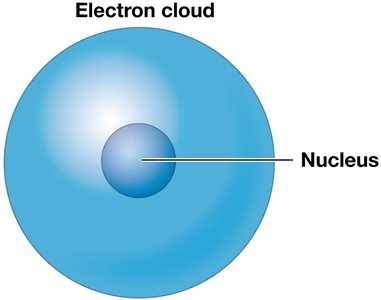
Protons and neutrons are located in the nucleus, while electrons orbit in the electron cloud.
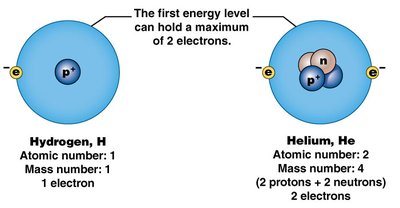
Atomic number: Number of protons in an atom, unique to each element.
Electron shell: A representation of the electron cloud, showing energy levels where electrons reside.
Elements and Isotopes
Element: Pure substance made of one type of atom; cannot be broken down by ordinary means.
There are 92 naturally occurring elements; the human body contains 13 main and 14 trace elements.
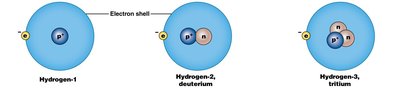
Isotopes: Atoms of the same element with different numbers of neutrons; some are radioactive (radioisotopes) and decay over time (half-life).
Atomic Mass, Atomic Weight, and Moles
Atomic mass: Actual mass of an atom (protons + neutrons + electrons).
Atomic weight: Average mass of all isotopes of an element.
Mole (mol): Quantity containing Avogadro’s number () of atoms; relates atomic weight to grams.
Electron Shells and Chemical Properties
Electrons occupy energy levels (shells) around the nucleus.
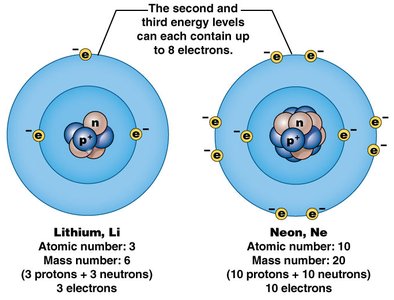
The first shell holds up to 2 electrons; subsequent shells hold up to 8 electrons each.
The outermost shell is the valence shell; its electron count determines chemical reactivity.
Atoms with incomplete valence shells are reactive.
Molecules and Compounds
Formation and Types of Chemical Bonds
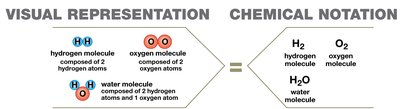
Molecule: Two or more atoms joined by shared electrons.
Compound: Two or more atoms of different elements chemically bonded.
Chemical bonds: Hold atoms together; include ionic, covalent, and hydrogen bonds.
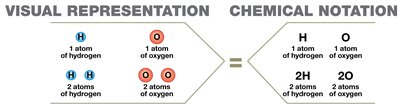
Chemical Notation
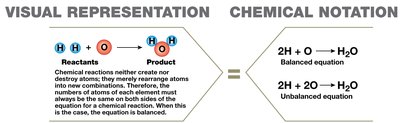
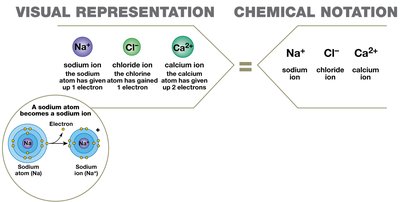
Symbols and formulas represent atoms, molecules, and reactions.
Ionic Bonds
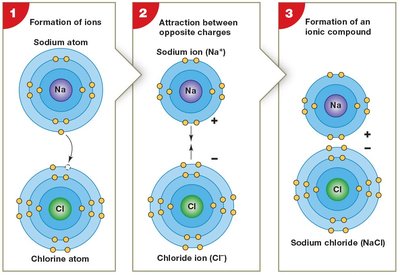
Formed by the transfer of electrons from one atom (donor) to another (acceptor), creating ions.
Cation: Positively charged ion (lost electrons).
Anion: Negatively charged ion (gained electrons).
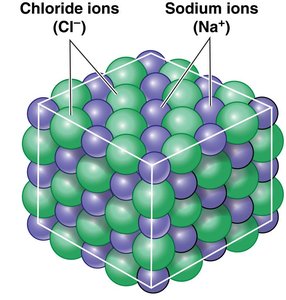
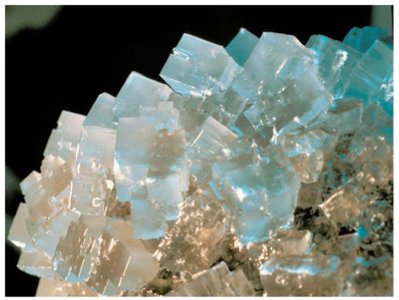
Oppositely charged ions attract, forming ionic compounds (e.g., NaCl).
Covalent Bonds
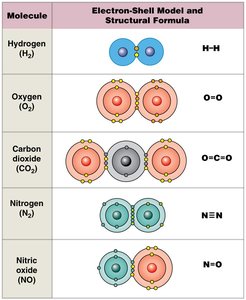
Formed when atoms share electrons.
Single, double, or triple covalent bonds depend on the number of shared electron pairs.
Nonpolar covalent bonds: Equal sharing of electrons.
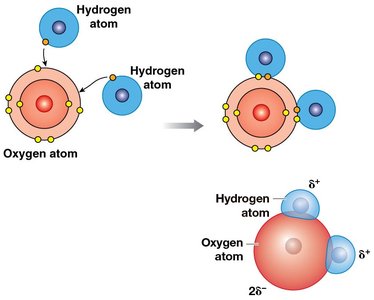
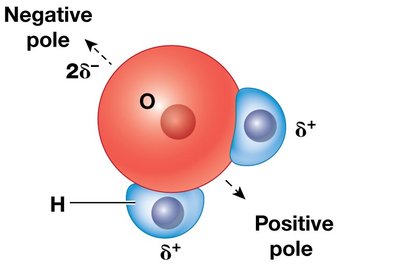
Polar covalent bonds: Unequal sharing, resulting in partial charges (e.g., water molecules).
Hydrogen Bonds
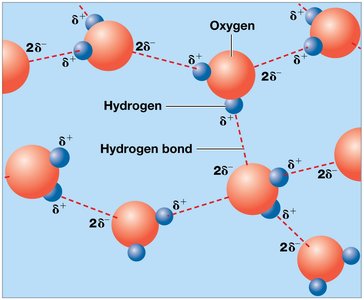
Weak attractions between the partial positive charge of hydrogen and the partial negative charge of another atom (O, N, or F).
Responsible for water’s high surface tension and important in stabilizing large molecules like DNA.
States of Matter
Solid: Definite shape and volume.
Liquid: Definite volume, no fixed shape.
Gas: No definite shape or volume.
Chemical Reactions
Types and Energy Considerations
Chemical reaction: Formation or breaking of chemical bonds, converting reactants to products.
Metabolism: All chemical reactions in the body.
Energy: The capacity to do work; can be kinetic (motion) or potential (stored).
Energy transformations are not 100% efficient; some energy is lost as heat.
Major Types of Chemical Reactions
Decomposition (Catabolism): Breaks molecules into smaller fragments; releases energy. Example: Hydrolysis.
Synthesis (Anabolism): Assembles larger molecules from smaller ones; requires energy. Example: Dehydration synthesis.
Exchange: Rearrangement of components between molecules.
Reversible: Can proceed in both directions; equilibrium is reached when forward and reverse rates are equal.
Enzymes and Metabolism
Role of Enzymes
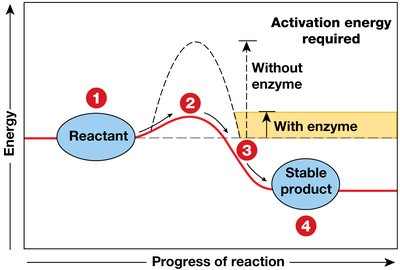
Enzymes: Biological catalysts that lower activation energy, increasing reaction rates without being consumed.
Each step in a metabolic pathway is catalyzed by a specific enzyme.
Exergonic reactions: Release more energy than required to start.
Endergonic reactions: Absorb more energy than they release.
Inorganic and Organic Compounds
Definitions and Examples
Inorganic compounds: Do not contain carbon-hydrogen bonds as primary structure (e.g., water, salts, acids, bases).
Organic compounds: Contain carbon-hydrogen bonds (e.g., carbohydrates, proteins, lipids, nucleic acids).
Nutrients: Essential substances from food.
Metabolites: Substances involved in metabolism.
Properties of Water
Importance and Properties
Water is the most abundant and essential compound in the body, making up about two-thirds of body weight.
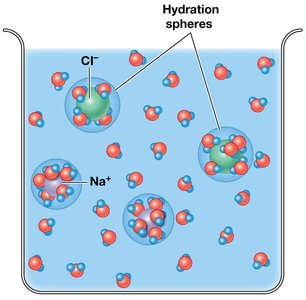
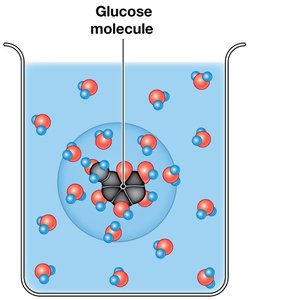
Universal solvent: Dissolves many substances, forming solutions.
Reactivity: Participates in chemical reactions (hydrolysis, dehydration synthesis).
High heat capacity: Absorbs and retains heat, stabilizing body temperature.
Lubrication: Reduces friction between surfaces.
Electrolytes and Body Fluids
Electrolytes: Inorganic substances that dissociate into ions in solution, conducting electricity.
Electrolyte balance is critical for physiological function.
Hydrophilic and Hydrophobic Compounds
Hydrophilic: Readily interact with water (ions, polar molecules).
Hydrophobic: Do not interact with water (nonpolar molecules, fats, oils).
Colloids and Suspensions
Colloid: Solution with large molecules dispersed (e.g., plasma).
Suspension: Large particles settle out if undisturbed (e.g., whole blood).
pH and Homeostasis
pH Scale and Its Importance
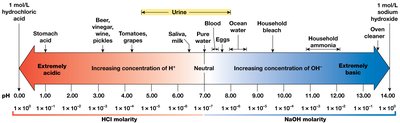
pH: Negative logarithm of hydrogen ion concentration ().
Neutral pH (7.0): Equal H+ and OH- ions (pure water).
Acidic pH (<7): Higher H+ concentration.
Basic (alkaline) pH (>7): Lower H+ concentration.
Human blood pH: 7.35–7.45.
Acids, Bases, Salts, and Buffers
Definitions and Physiological Roles
Acid: Proton donor; increases H+ in solution (e.g., HCl).
Base: Proton acceptor; decreases H+ in solution (e.g., NaOH).
Salt: Ionic compound that dissociates into ions other than H+ or OH-.
Buffer: Stabilizes pH by neutralizing acids or bases; important buffer system: carbonic acid–bicarbonate.
Monomers, Polymers, and Functional Groups
Macromolecules and Functional Groups
Monomers: Small, identical subunits that join to form polymers via dehydration synthesis.
Polymers: Large molecules made of monomers; broken down by hydrolysis.
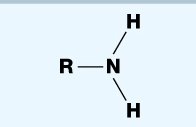
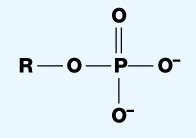
Functional groups: Specific groupings of atoms that influence properties and reactivity of organic molecules (e.g., amino, carboxyl, hydroxyl, phosphate).
Carbohydrates
Structure and Function
Organic macromolecules with C, H, and O in a 1:2:1 ratio.
Primary energy source for the body.
Types: Monosaccharides (simple sugars), Disaccharides, Polysaccharides.
Monosaccharides
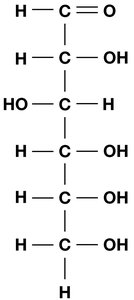
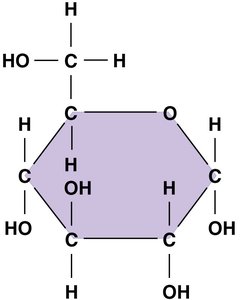
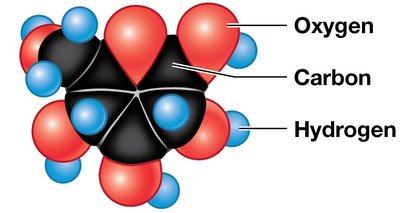
Simple sugars (3–7 carbons); hydrophilic.
Glucose is the main metabolic fuel; fructose is an isomer found in fruit.
Disaccharides and Polysaccharides
Disaccharides: Two monosaccharides joined by dehydration synthesis (e.g., sucrose); broken down by hydrolysis.
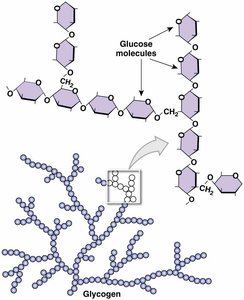
Polysaccharides: Long chains of monosaccharides (e.g., glycogen, starch, cellulose).


Lipids
Structure and Function
Organic macromolecules with C and H (1:2 ratio), little O; mainly hydrophobic.
Functions: Energy storage, structural components, chemical messengers.
Types: Fatty acids, eicosanoids, glycerides, steroids, phospholipids, glycolipids.
Fatty Acids
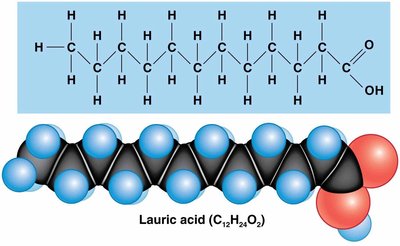
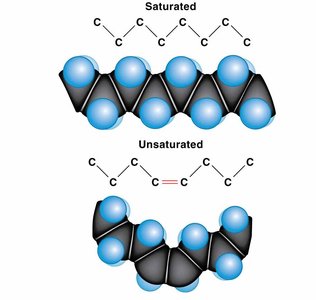
Long chains of C and H with a carboxyl group; can be saturated (no double bonds) or unsaturated (one or more double bonds).
Eicosanoids
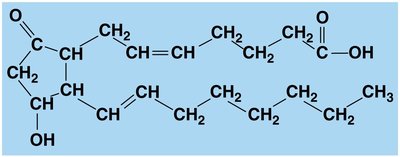
Derived from arachidonic acid; include leukotrienes (immune response) and prostaglandins (local signaling).
Glycerides
Fatty acids attached to glycerol; mono-, di-, and triglycerides (energy storage, insulation, protection).
Steroids
Four-ring structure; includes cholesterol (membranes), sex hormones, corticosteroids, bile salts.
Phospholipids and Glycolipids
Phospholipids: Diglyceride + phosphate + nonlipid group; glycolipids: diglyceride + carbohydrate.
Both have hydrophilic heads and hydrophobic tails; form micelles in water; key in cell membranes.
Proteins
Structure and Function
Most abundant and vital organic molecules; composed of C, H, O, N.
Monomers: Amino acids (20 types), each with a central carbon, hydrogen, amino group, carboxyl group, and R group.
Functions: Support, movement, transport, buffering, metabolic regulation (enzymes), coordination, defense.
Peptide Bonds and Protein Structure
Peptide bond: Links amino acids via dehydration synthesis.
Levels of structure: Primary (sequence), secondary (alpha helix/beta sheet), tertiary (3D folding), quaternary (multiple polypeptides).
Protein Types and Enzyme Function
Globular proteins: Compact, soluble, functional (e.g., enzymes).
Fibrous proteins: Extended, insoluble, structural (e.g., collagen).
Enzymes have specificity, saturation limits, and regulation; require cofactors (ions or coenzymes) for activity.
Denaturation (loss of structure) leads to loss of function.
Glycoproteins and Proteoglycans
Glycoproteins: Proteins with carbohydrate groups (e.g., enzymes, antibodies, hormones).
Proteoglycans: Large polysaccharides linked by polypeptides; increase viscosity of tissue fluids.
Nucleic Acids
Structure and Function
Composed of C, H, O, N, P; store and process genetic information.
Types: DNA (deoxyribonucleic acid) and RNA (ribonucleic acid).
Monomers: Nucleotides (pentose sugar, phosphate group, nitrogenous base).
DNA and RNA
DNA: Double helix of complementary strands (A-T, C-G); stores genetic code.
RNA: Single strand; types include mRNA, tRNA, rRNA; involved in protein synthesis.
Characteristic | RNA | DNA |
|---|---|---|
Sugar | Ribose | Deoxyribose |
Nitrogenous Bases | A, G, C, U | A, G, C, T |
Number of Nucleotides | <100 to ~50,000 | >45 million |
Shape | Single strand, variable | Double helix |
Function | Protein synthesis | Genetic information storage |
High-Energy Compounds
ATP and Energy Transfer
High-energy compounds (e.g., ATP) are derived from nucleotides and store energy in covalent bonds.
Phosphorylation: Addition of a phosphate group to a molecule.
ATP (adenosine triphosphate): Main energy currency; formed from ADP and phosphate; broken down by ATPase to release energy.
Class | Building Blocks | Sources | Functions |
|---|---|---|---|
Water | H, O | Diet, metabolism | Solvent, transport, chemical reactions |
Acids, Bases, Salts | H+, OH-, ions | Diet, metabolism | Buffers, structural, ion sources |
Carbohydrates | C, H, O (1:2:1) | Diet, body synthesis | Energy, structure, storage |
Lipids | C, H, O (not 1:2:1) | Diet, body synthesis | Energy, structure, messengers |
Proteins | Amino acids | Diet, body synthesis | Enzymes, structure, movement |
Nucleic acids | Nucleotides | Diet, body synthesis | Genetic information |
High-energy compounds | Nucleotides + phosphates | Cell synthesis | Energy storage/transfer |
