Back
The Chemical Level of Organization: Structured Study Notes for ANP College Students
Study Guide - Smart Notes
 Tailored notes based on your materials, expanded with key definitions, examples, and context.
The Chemical Level of Organization
Introduction to Chemistry in Human Biology
Chemistry forms the foundation of all biological processes, as the body is composed of chemicals and all physiological activities are chemical in nature. Understanding basic chemical principles is essential for studying anatomy and physiology.
Basic Principles of Chemistry
Chemistry: The science of the structure and interactions of matter.
Matter: Anything that occupies space and has mass.
Mass: The amount of matter a substance contains.
Weight: The force of gravity acting on a mass.
Organization of Matter
Matter is composed of atoms, which combine to form elements and compounds. The chemical properties of these atoms and molecules determine physiological functions at the molecular and cellular levels.
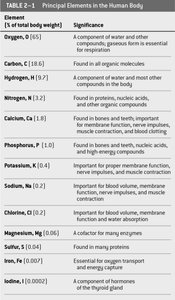
Principal Elements in the Human Body
The human body is primarily composed of a few key elements, each with specific physiological roles.
Element | % of Total Body Weight | Significance |
|---|---|---|
Oxygen (O) | 65 | Component of water and other compounds; essential for respiration |
Carbon (C) | 18 | Found in all organic molecules |
Hydrogen (H) | 9 | Component of water and most other compounds in the body |
Nitrogen (N) | 3 | Found in proteins, nucleic acids, and other organic compounds |
Calcium (Ca) | 1.5 | Found in bones and teeth; important for blood clotting, muscle contraction |
Phosphorus (P) | 1.0 | Found in bones, nucleic acids, and high-energy compounds |
Potassium (K) | 0.4 | Important for proper membrane function, nerve impulses, and muscle contraction |
Sodium (Na) | 0.2 | Important for blood volume, membrane function, nerve impulses, and muscle contraction |
Chlorine (Cl) | 0.2 | Important for blood volume, membrane function, and water absorption |
Magnesium (Mg) | 0.1 | Cofactor for many enzymes |
Sulfur (S) | 0.05 | Found in many proteins |
Iron (Fe) | 0.01 | Essential for oxygen transport and energy capture |
Iodine (I) | 0.0002 | Component of hormones of the thyroid gland |
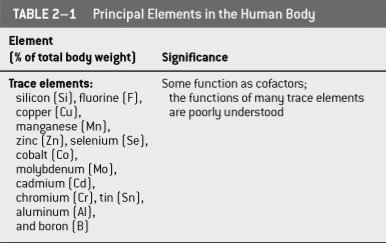
Trace elements such as silicon, fluorine, copper, manganese, zinc, selenium, cobalt, molybdenum, cadmium, chromium, tin, aluminum, and boron function as cofactors, though many of their roles are not fully understood.
Atomic Structure
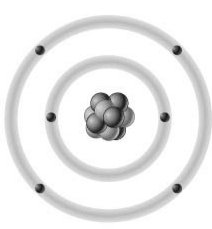
Atoms are the basic units of matter, consisting of a nucleus (protons and neutrons) and electron shells.
Proton (p+): Positive charge, 1 mass unit
Neutron (n0): Neutral, 1 mass unit
Electron (e-): Negative charge, very low mass
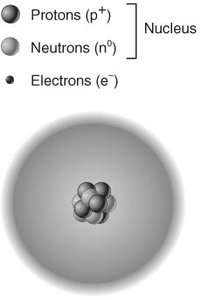
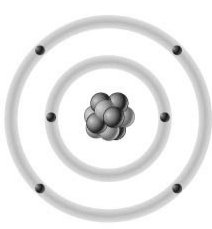
Electron Shells and Atomic Properties
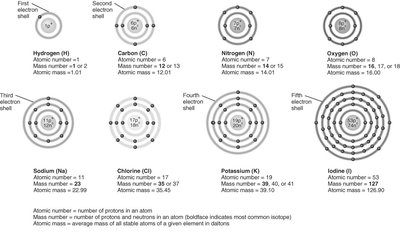
Electrons occupy shells around the nucleus. The first shell holds 2 electrons, the second holds 8. Atoms are electrically neutral when the number of protons equals the number of electrons.
Isotopes and Atomic Numbers
Isotopes are atoms of the same element with different numbers of neutrons. Radioactive isotopes are unstable and decay, useful in medical imaging and research.
Ions and Free Radicals
Ions are atoms that have gained or lost electrons, resulting in a positive (cation) or negative (anion) charge. Free radicals are atoms or groups with unpaired electrons, highly reactive and linked to diseases.
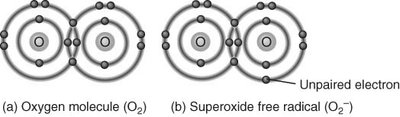
Chemical Bonds
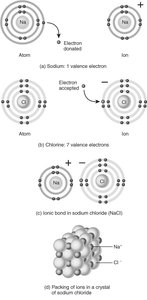
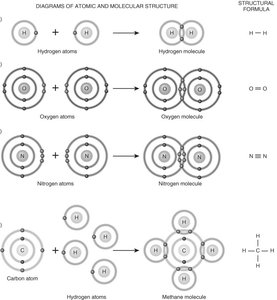
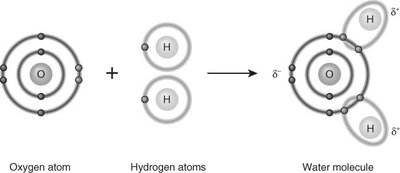
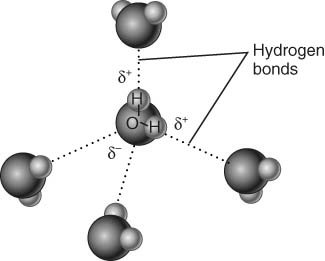
Atoms form chemical bonds to achieve stable electron configurations. The main types are ionic, covalent, and hydrogen bonds.
Ionic bonds: Attraction between cations and anions.
Covalent bonds: Atoms share electrons; strongest bonds in the body.
Hydrogen bonds: Weak polar bonds, important for molecular structure and water properties.
Chemical Reactions and Metabolism
Chemical reactions involve the formation or breaking of bonds. Metabolism is the sum of all chemical reactions in the body. The law of conservation of mass states that the total mass of reactants equals the total mass of products.
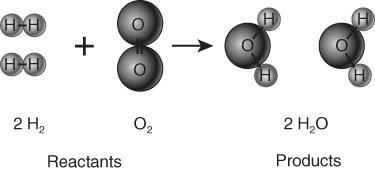
Energy in Chemical Reactions
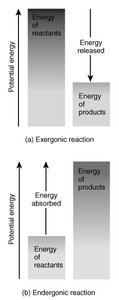
Energy is the capacity to do work. Chemical reactions involve energy transfer:
Exergonic reactions: Release energy (e.g., catabolism).
Endergonic reactions: Absorb energy (e.g., anabolism).
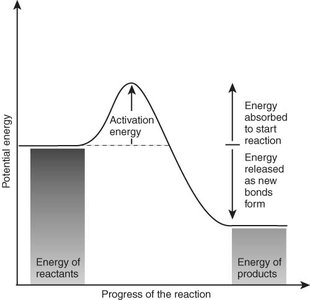
Activation Energy and Catalysts
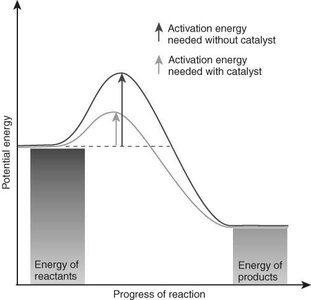
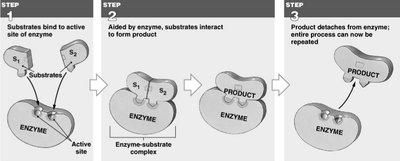
Activation energy is required to initiate a reaction. Catalysts (including enzymes) lower activation energy, speeding up reactions without being consumed.
Types of Chemical Reactions
Decomposition (catabolism):
Synthesis (anabolism):
Exchange:
Reversible:
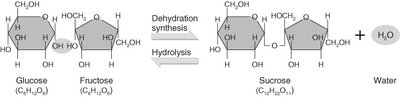
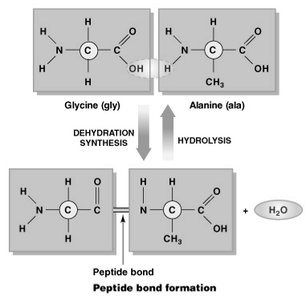
Hydrolysis:
Dehydration synthesis:
Oxidation-Reduction Reactions
Oxidation: Loss of electrons (often involves oxygen).
Reduction: Gain of electrons.
These reactions are coupled in metabolism.
Organic and Inorganic Molecules
Organic molecules: Based on carbon and hydrogen.
Inorganic molecules: Not based on carbon and hydrogen.
Water: Properties and Importance
Water is the most abundant inorganic compound in living systems. Its polarity allows it to dissolve many substances, participate in chemical reactions, absorb heat, and lubricate tissues.
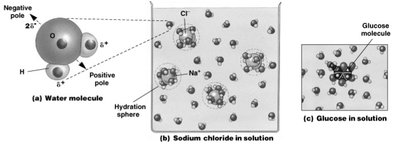
Electrolytes and Aqueous Solutions
Electrolytes are inorganic ions that conduct electricity in solution. Electrolyte imbalance can disrupt vital functions.
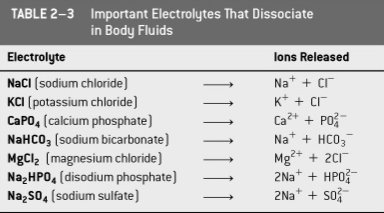
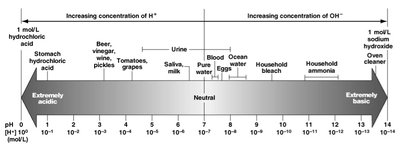
Acids, Bases, and pH
pH measures the concentration of hydrogen ions (H+) in a solution. The scale is logarithmic, with lower pH indicating higher acidity.
Functional Groups in Organic Compounds
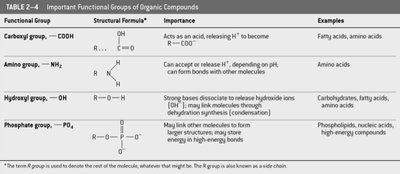
Functional groups determine the chemical properties and reactivity of organic molecules.
Functional Group | Structural Formula | Importance | Examples |
|---|---|---|---|
Carboxyl group | —COOH | Acts as an acid, releasing H+ | Fatty acids, amino acids |
Amino group | —NH2 | Can accept or release H+ | Amino acids |
Hydroxyl group | —OH | Strong bases dissociate to release hydroxide ions | Carbohydrates, fatty acids |
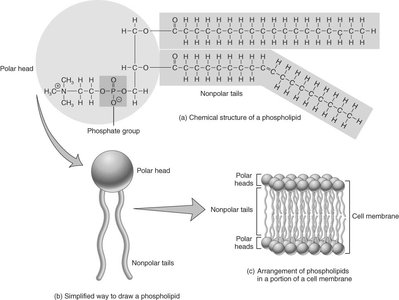
Phosphate group | —PO4 | May link other molecules to form larger structures | Phospholipids, nucleic acids |
Carbohydrates
Carbohydrates are the main energy source for the body, including sugars, starches, glycogen, and cellulose. They are classified as monosaccharides, disaccharides, and polysaccharides.
Monosaccharides: Simple sugars (glucose, fructose, galactose).
Disaccharides: Formed by dehydration synthesis (sucrose, maltose, lactose).
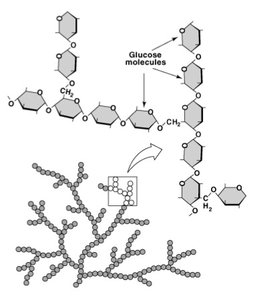
Polysaccharides: Large molecules (glycogen, starch, cellulose).
Lipids
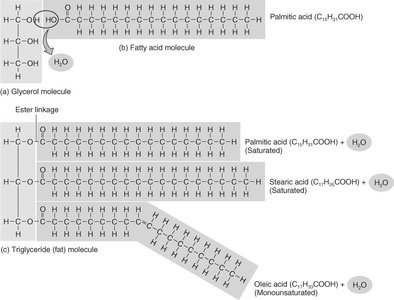
Lipids are hydrophobic molecules including triglycerides, phospholipids, steroids, eicosanoids, and fat-soluble vitamins. They provide energy, insulation, and are key components of cell membranes.
Triglycerides: Most abundant lipid, energy storage.
Phospholipids: Amphipathic, major membrane component.
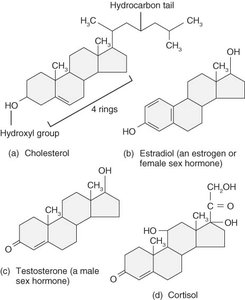
Steroids: Four-ring structure, includes hormones and cholesterol.
Proteins
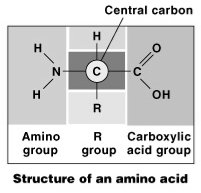
Proteins are the most abundant organic molecules, composed of amino acids. They perform structural, regulatory, transport, and catalytic functions.
Amino acids: Building blocks of proteins.
Peptides: Chains of amino acids.
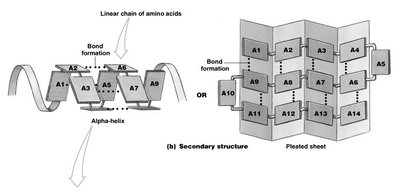
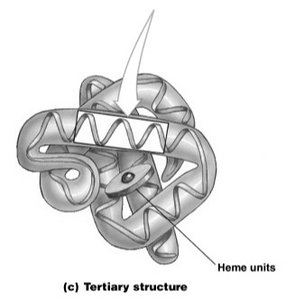
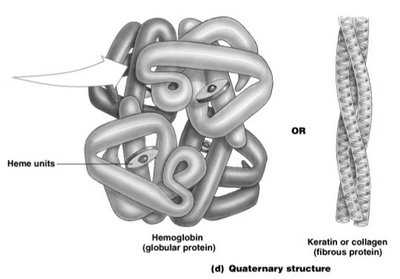
Protein structure: Primary (sequence), secondary (alpha-helix, beta-sheet), tertiary (folded shape), quaternary (multiple polypeptides).
Enzymes
Enzymes are protein catalysts that lower activation energy and speed up biochemical reactions. They are highly specific and efficient.
Nucleic Acids: DNA and RNA
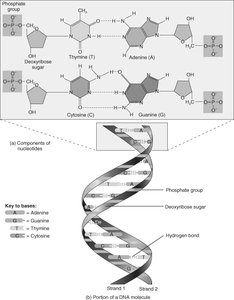
Nucleic acids store and transmit genetic information. DNA forms the genetic code; RNA guides protein synthesis.
DNA: Double-stranded, contains deoxyribose sugar, bases A-T-G-C.
RNA: Single-stranded, contains ribose sugar, bases A-U-G-C.
Adenosine Triphosphate (ATP)
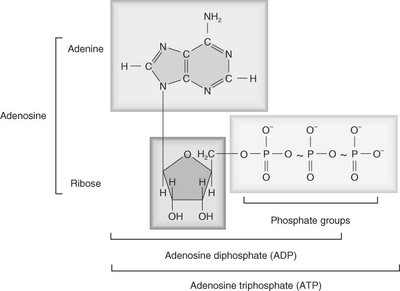
ATP is the primary energy carrier in cells, consisting of adenine, ribose, and three phosphate groups. Energy is released by hydrolysis of ATP to ADP.