 Back
BackThe Endocrine System: Structure, Function, and Regulation
Study Guide - Smart Notes
 Tailored notes based on your materials, expanded with key definitions, examples, and context.
The Endocrine System
Overview and Major Functions
The endocrine system is one of the two major control systems of the body, working alongside the nervous system to coordinate and integrate the activity of body cells. It regulates long-term processes such as growth, development, metabolism, and reproduction through the release of hormones—chemical messengers secreted into the blood or lymph.
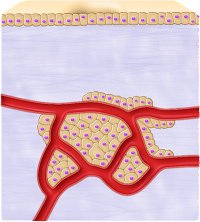
Endocrine glands are ductless glands that secrete hormones directly into the bloodstream.
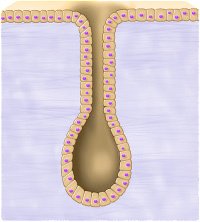
Exocrine glands secrete nonhormonal substances (e.g., sweat, saliva) via ducts to a membrane surface.
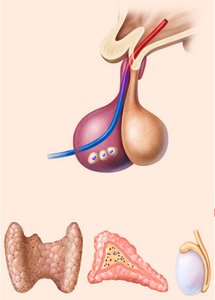
Major endocrine organs include the pituitary, thyroid, parathyroid, adrenal, and pineal glands, as well as organs with endocrine tissue such as the pancreas, gonads, and placenta.

Comparison of Nervous and Endocrine Systems
Nervous system: Rapid, short-duration responses via action potentials and neurotransmitters; acts at specific locations.
Endocrine system: Slower, long-duration responses via hormones; acts at diffuse locations throughout the body.
Chemical Nature and Classification of Hormones
Hormone Types
Amino acid–based hormones: Most hormones; water-soluble; cannot cross the plasma membrane.
Steroid hormones: Synthesized from cholesterol; lipid-soluble; can cross the plasma membrane. Only gonadal and adrenocortical hormones are steroids.
Eicosanoids: Local signaling molecules (e.g., prostaglandins, leukotrienes); act as paracrines or autocrines, not true hormones.
Local Chemical Messengers
Hormones: Long-distance signals traveling in blood or lymph.
Paracrines: Act locally on nearby cells of a different type.
Autocrines: Act locally on the same cell that secreted them.
Mechanisms of Hormone Action
Receptor Location and Signal Transduction
Water-soluble hormones (all amino acid–based except thyroid hormone): Act on plasma membrane receptors via second messengers (e.g., cAMP, PIP2-calcium).
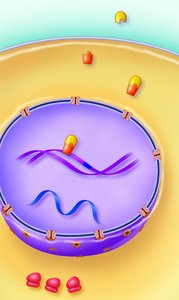
Lipid-soluble hormones (steroids and thyroid hormone): Act on intracellular receptors, directly activating genes.
Cyclic AMP (cAMP) Second Messenger Mechanism
Hormone binds to receptor.
Receptor activates G protein.
G protein activates adenylate cyclase.
Adenylate cyclase converts ATP to cAMP.
cAMP activates protein kinases, leading to cellular responses.

Direct Gene Activation by Lipid-Soluble Hormones
Hormone diffuses through the plasma membrane and binds to an intracellular receptor.
The receptor-hormone complex enters the nucleus and binds to DNA, initiating transcription and protein synthesis.
Regulation of Hormone Release
Types of Stimuli
Humoral stimuli: Changes in blood levels of ions/nutrients (e.g., low Ca2+ triggers PTH release).
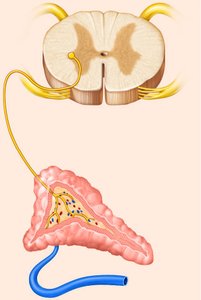
Neural stimuli: Nerve fibers stimulate hormone release (e.g., sympathetic stimulation of adrenal medulla).
Hormonal stimuli: Hormones stimulate other endocrine glands (e.g., hypothalamic hormones regulate anterior pituitary).
Hormone Receptors and Target Cell Activation
Factors Influencing Target Cell Activation
Blood levels of the hormone
Number of receptors on/in the target cell
Affinity (strength) of the hormone-receptor binding
Up-regulation: Target cells form more receptors in response to low hormone levels. Down-regulation: Target cells lose receptors in response to high hormone levels.
Hormone Interactions
Permissiveness: One hormone cannot exert its effects without another hormone being present.
Synergism: More than one hormone produces the same effects; combined effects are amplified.
Antagonism: One hormone opposes the action of another.
The Hypothalamus and Pituitary Gland
Structural and Functional Relationships
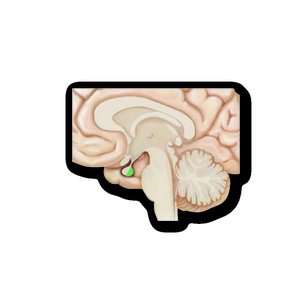
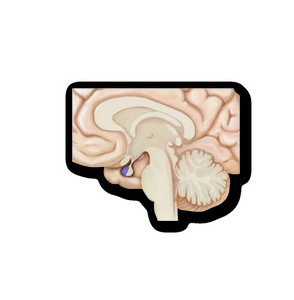
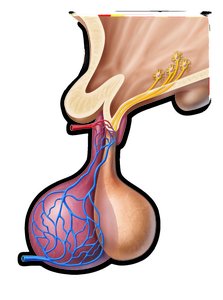
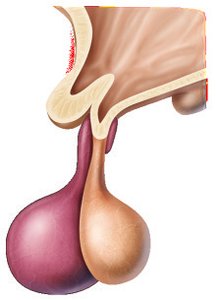
The pituitary gland (hypophysis) has two major lobes: the posterior pituitary (neurohypophysis) and the anterior pituitary (adenohypophysis).
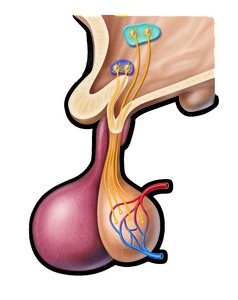
The posterior pituitary stores and releases hormones (oxytocin and ADH) made by the hypothalamus.
The anterior pituitary produces and releases its own hormones under hypothalamic control via the hypophyseal portal system.
Posterior Pituitary Hormones
Oxytocin: Stimulates uterine contractions during childbirth and milk ejection during breastfeeding.
Antidiuretic hormone (ADH): Promotes water reabsorption in the kidneys; deficiency causes diabetes insipidus.
Anterior Pituitary Hormones
Growth hormone (GH): Stimulates growth, especially of bones and muscles; promotes protein synthesis and fat metabolism.
Thyroid-stimulating hormone (TSH): Stimulates thyroid gland to release thyroid hormones.
Adrenocorticotropic hormone (ACTH): Stimulates adrenal cortex to release corticosteroids.
Follicle-stimulating hormone (FSH) and Luteinizing hormone (LH): Regulate function of gonads.
Prolactin (PRL): Stimulates milk production in females.



The Thyroid and Parathyroid Glands
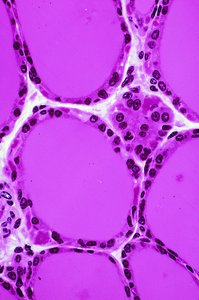
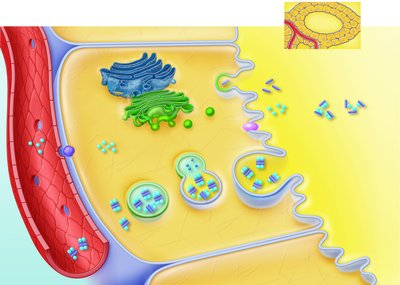
Thyroid Gland
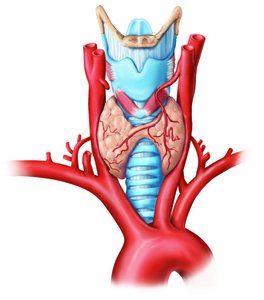
Thyroid hormone (TH): Includes thyroxine (T4) and triiodothyronine (T3); increases metabolic rate, regulates growth and development.
Calcitonin: Lowers blood calcium levels (mainly pharmacological effect).

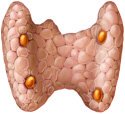
Parathyroid Glands
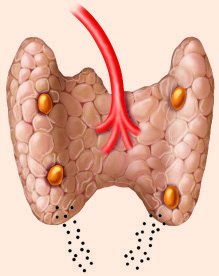
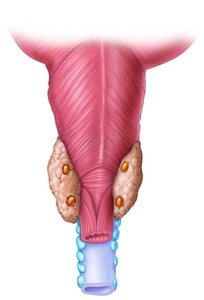
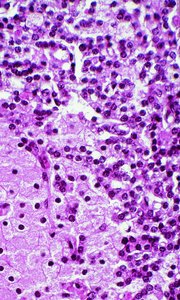
Parathyroid hormone (PTH): Increases blood calcium levels by stimulating osteoclasts, enhancing kidney reabsorption of Ca2+, and activating vitamin D for increased intestinal absorption.

The Adrenal Glands
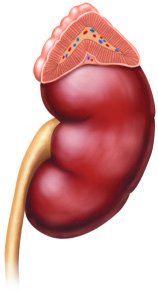
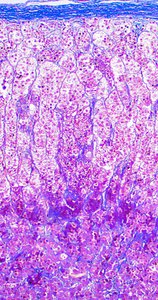
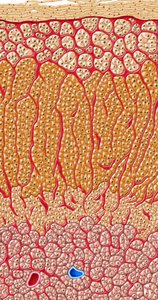
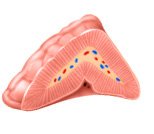
Adrenal Cortex
Mineralocorticoids (e.g., aldosterone): Regulate Na+ and K+ balance, blood pressure.
Glucocorticoids (e.g., cortisol): Influence metabolism, help resist stress, suppress inflammation.
Gonadocorticoids: Weak androgens contributing to puberty and sex drive.
Adrenal Medulla
Catecholamines (epinephrine and norepinephrine): Mediate the fight-or-flight response, increase heart rate, blood pressure, and blood glucose.
The Pineal Gland
Melatonin: Regulates circadian rhythms, sleep, and may inhibit early sexual maturation in children.
The Pancreas
Glucagon (alpha cells): Raises blood glucose by promoting glycogen breakdown and gluconeogenesis in the liver.
Insulin (beta cells): Lowers blood glucose by promoting cellular uptake, glycogen synthesis, and fat storage.
The Gonads and Other Endocrine Tissues
Ovaries: Produce estrogens and progesterone, regulating female reproductive development and cycles.
Testes: Produce testosterone, regulating male reproductive development and function.
Other tissues: Heart (ANP), kidneys (erythropoietin, renin), adipose tissue (leptin), skin (cholecalciferol), bone (osteocalcin), thymus (thymosins).
Developmental and Clinical Aspects
Endocrine glands arise from all three germ layers; aging affects hormone secretion and sensitivity.
Disorders include diabetes mellitus (insulin deficiency/resistance), diabetes insipidus (ADH deficiency), Cushing's syndrome (glucocorticoid excess), Addison's disease (adrenal insufficiency), and thyroid disorders (hypo/hyperthyroidism, goiter).
