 Back
BackThe Endocrine System: Structure, Function, and Hormonal Regulation
Study Guide - Smart Notes
 Tailored notes based on your materials, expanded with key definitions, examples, and context.
The Endocrine System
Overview of the Endocrine System
The endocrine system is a network of glands that secrete hormones directly into the bloodstream to regulate various physiological processes. Hormones act as chemical messengers, influencing metabolism, growth, development, tissue function, and mood.
Hormone Mechanisms and Pathways
Second Messenger Pathways
Many hormones exert their effects through second messenger systems, which amplify the signal inside the target cell. The cyclic AMP (cAMP) pathway is a classic example, where hormone binding to a cell surface receptor activates a G protein, which in turn activates adenylate cyclase to produce cAMP. cAMP then activates protein kinases, leading to cellular responses such as gene transcription and protein synthesis.
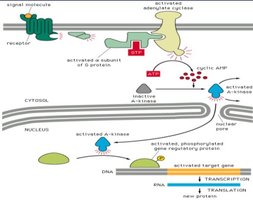
Key Point: Second messenger systems allow for rapid and amplified cellular responses to hormones that cannot cross the plasma membrane.
Example: Epinephrine and glucagon use the cAMP pathway to regulate metabolic processes.
What is a Hormone?
A hormone is a chemical messenger produced by endocrine glands and transported by the bloodstream to target organs or tissues, where it elicits specific physiological responses.
Key Point: Hormones regulate a wide range of bodily functions, including metabolism, growth, and reproduction.
Hormone Functions
Hormones can be classified based on their primary functions:
Regulatory: Regulate the functions of target organs or other glands.
Tropic: Target other endocrine glands to stimulate hormone release.
Sex Hormones: Target reproductive tissues and organs.
Anabolic: Stimulate anabolic processes such as protein synthesis and tissue growth.
Types of Hormones
Hormones are broadly classified into two types based on their chemical structure and mechanism of action:
Steroid Hormones: Lipid-soluble hormones derived from cholesterol. Examples include estrogen, progesterone, testosterone, and cortisol.
Non-Steroid Hormones: Water-soluble hormones, including peptides and amines. Examples include insulin, thyroxine, and epinephrine.
Steroid Hormones
Steroid hormones share a common steroid nucleus and are lipid-soluble, allowing them to cross cell membranes. They bind to intracellular receptors, forming a hormone-receptor complex that enters the nucleus and interacts with DNA to promote transcription and translation of specific proteins. The effects of steroid hormones are typically slower in onset but longer-lasting.
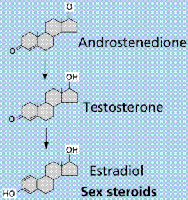
Key Point: Steroid hormones regulate gene expression and protein synthesis.
Example: Cortisol regulates metabolism and immune responses.
Action of Steroid Hormones
Steroid hormones cross the cell membrane and bind to receptors inside the cell.
The hormone-receptor complex enters the nucleus and binds to DNA, promoting transcription of specific genes.
This leads to the translation of proteins that mediate the hormone's effects.
Maximal effects may require days to develop.
Action of Non-Steroid Hormones
Non-steroid hormones cannot cross the plasma membrane. They bind to receptors on the cell surface, triggering a cascade of intracellular events via second messenger systems such as cAMP. This leads to rapid cellular responses.
Key Point: Non-steroid hormones act quickly and their effects are often short-lived.
Example: Insulin stimulates glucose uptake in cells via cell surface receptors.
Major Endocrine Glands and Their Hormones
Hypothalamus
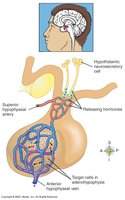
The hypothalamus is the primary regulator of the endocrine system, producing releasing and inhibiting hormones that control the pituitary gland. It is often referred to as the "master" of the "master gland." Major hypothalamic hormones include GRH, GIH, CRH, TRH, GnRH, PRH, and PIH.
Pituitary Gland
The pituitary gland, located at the base of the brain, is divided into anterior and posterior lobes. It secretes hormones that regulate growth, metabolism, and reproduction.
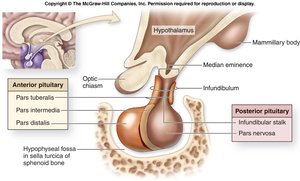
Anterior Pituitary Hormones:
Somatotrophs – Growth Hormone (GH)
Lactotrophs – Prolactin
Corticotrophs – Adrenocorticotropic Hormone (ACTH)
Thyrotrophs – Thyroid Stimulating Hormone (TSH)
Gonadotrophs – Luteinizing Hormone (LH), Follicle Stimulating Hormone (FSH)
Posterior Pituitary Hormones:
Antidiuretic Hormone (ADH)
Oxytocin
Pineal Gland
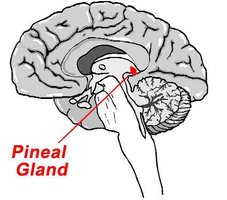
The pineal gland is a small endocrine gland in the brain that produces melatonin, a hormone involved in regulating circadian rhythms and sleep-wake cycles.
Thyroid Gland
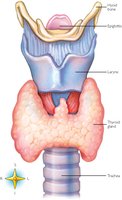
The thyroid gland is located in the neck and produces hormones that regulate metabolism and calcium balance.
T3 and T4: Regulate the metabolic rate of cells.
Calcitonin: Lowers blood calcium levels by promoting calcium deposition in bones.
Parathyroid Glands
The parathyroid glands are small glands located on the posterior surface of the thyroid gland. They secrete parathyroid hormone (PTH), which increases blood calcium levels by stimulating bone resorption.
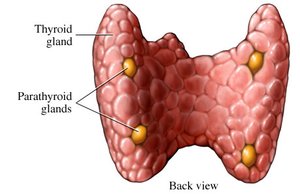
Parathyroid Hormone (PTH): Antagonist to calcitonin; moves calcium from bone to blood.
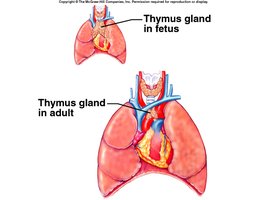
Thymus Gland
The thymus gland is involved in the development and maintenance of the immune system, especially during childhood. It secretes thymosin and thymopoietin, which are important for T-cell maturation.
Adrenal Glands
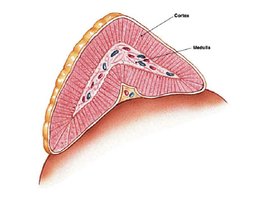
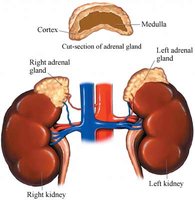
The adrenal glands are located on top of the kidneys and consist of an outer cortex and an inner medulla. Each region produces different hormones.
Cortex:
Mineralocorticoids (e.g., aldosterone): Regulate sodium and potassium balance.
Glucocorticoids (e.g., cortisol): Regulate metabolism and stress response.
Gonadocorticoids (e.g., androgens): Contribute to secondary sex characteristics.
Medulla:
Epinephrine and Norepinephrine: Mediate the fight-or-flight response.
Pancreas
The pancreas has both endocrine and exocrine functions. Its endocrine portion consists of the islets of Langerhans, which secrete hormones that regulate blood glucose levels.
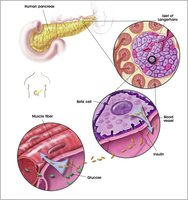
Alpha Cells: Secrete glucagon, which raises blood glucose.
Beta Cells: Secrete insulin, which lowers blood glucose.
Delta Cells: Secrete somatostatin, which inhibits the release of other pancreatic hormones.
Peptide Cells: Secrete digestive hormones.
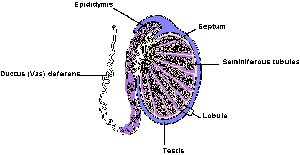
Testes
The testes are the male gonads, producing testosterone and other androgens responsible for male secondary sex characteristics and spermatogenesis.
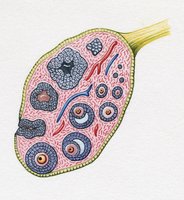
Ovaries
The ovaries are the female gonads, producing estrogens and progesterone, which regulate the menstrual cycle, pregnancy, and secondary sex characteristics.
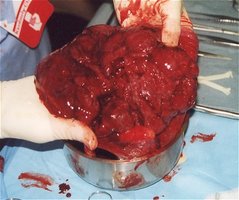
Placenta
The placenta is a temporary endocrine organ during pregnancy, producing human chorionic gonadotropin (hCG), which supports the maintenance of the corpus luteum and progesterone production in early pregnancy.
Additional Hormones
Erythropoietin (EPO): Stimulates red blood cell production in the bone marrow.
Renin: Involved in blood pressure regulation via the renin-angiotensin system.
Angiotensin II: A potent vasoconstrictor that increases blood pressure.
Atrial Natriuretic Hormone (ANH): Reduces blood volume and pressure by promoting sodium excretion.
Summary Table: Major Endocrine Glands and Their Hormones
Gland | Main Hormones | Primary Functions |
|---|---|---|
Hypothalamus | Releasing & Inhibiting Hormones | Regulate pituitary gland |
Pituitary (Anterior) | GH, Prolactin, ACTH, TSH, LH, FSH | Growth, metabolism, reproduction |
Pituitary (Posterior) | ADH, Oxytocin | Water balance, uterine contraction |
Pineal | Melatonin | Regulate circadian rhythms |
Thyroid | T3, T4, Calcitonin | Metabolism, calcium balance |
Parathyroid | PTH | Increase blood calcium |
Thymus | Thymosin, Thymopoietin | T-cell maturation |
Adrenal Cortex | Aldosterone, Cortisol, Androgens | Electrolyte balance, stress response |
Adrenal Medulla | Epinephrine, Norepinephrine | Fight-or-flight response |
Pancreas | Insulin, Glucagon, Somatostatin | Blood glucose regulation |
Testes | Testosterone | Male sex characteristics |
Ovaries | Estrogens, Progesterone | Female sex characteristics, menstrual cycle |
Placenta | hCG | Maintain pregnancy |
