 Back
BackThe Endocrine System: Structure, Function, and Hormonal Regulation
Study Guide - Smart Notes
 Tailored notes based on your materials, expanded with key definitions, examples, and context.
The Endocrine System
Overview and Functions
The endocrine system is the body's second major controlling system, complementing the nervous system. It uses chemical messengers called hormones that are released into the blood to regulate various physiological processes. These include reproduction, growth and development, mobilization of body defenses, maintenance of homeostasis, and regulation of metabolism.
Hormones are produced by specialized cells and secreted into extracellular fluids.
Blood transfers hormones to target sites, where they regulate the activity of other cells.
Only certain tissues or organs, known as target cells or target organs, are affected by specific hormones.
Endocrinology is the scientific study of hormones and endocrine organs.
Major Endocrine Organs
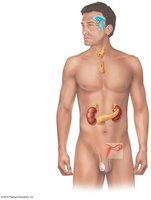
The major endocrine organs include the pineal gland, hypothalamus, pituitary gland, thyroid gland, parathyroid glands, thymus gland, adrenal glands, pancreas, and gonads (ovaries and testes). Some glands are purely endocrine, while others are mixed glands with both endocrine and exocrine functions.
Purely endocrine glands: Anterior pituitary, thyroid, adrenals, parathyroids
Mixed glands: Pancreas, gonads
Ductless glands: Endocrine glands release hormones directly into blood or lymph
Hormone Regulation and Release
Control of Hormone Release
Hormone levels in the blood are primarily maintained by negative feedback mechanisms. A stimulus or low hormone levels trigger the release of more hormone, and release stops once an appropriate level is reached.
Endocrine Gland Stimuli
Endocrine glands are activated by three major types of stimuli:
Hormonal: Endocrine organs are activated by other hormones.
Humoral: Changing blood levels of certain ions and nutrients stimulate hormone release.
Neural: Nerve impulses stimulate hormone release, often under sympathetic nervous system control.
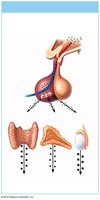
Hormonal Stimuli
Most common stimulus. For example, anterior pituitary hormones travel to target glands (e.g., thyroid gland) to prompt the release of specific hormones.
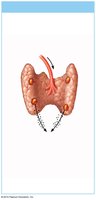
Humoral Stimuli
Blood levels of ions and nutrients (e.g., calcium, glucose) trigger hormone release. For example, parathyroid hormone and calcitonin are produced in response to blood calcium levels; insulin is produced in response to blood glucose levels.
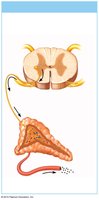
Neural Stimuli
Nerve impulses, especially from the sympathetic nervous system, stimulate hormone release. For example, the adrenal medulla releases norepinephrine and epinephrine in response to neural input.
Major Endocrine Organs and Their Hormones
Pineal Gland
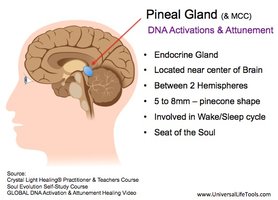
The pineal gland is located posterior to the third ventricle of the brain and secretes melatonin, which helps establish the body's sleep/wake cycles and biological rhythms. It may also coordinate hormones of fertility in humans.
Hypothalamus and Pituitary Gland
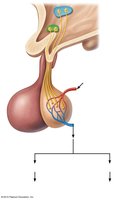
The pituitary gland, often called the "master endocrine gland," is the size of a pea and hangs from the hypothalamus. It has two lobes: anterior (glandular tissue) and posterior (nervous tissue). The hypothalamus produces releasing and inhibiting hormones that regulate the anterior pituitary, and also makes oxytocin and antidiuretic hormone (ADH).
Hormones of the Anterior Pituitary
Growth hormone (GH): Stimulates growth of skeletal muscles and long bones; determines final body size.
Prolactin (PRL): Stimulates and maintains milk production following childbirth.
Adrenocorticotropic hormone (ACTH): Stimulates adrenal cortex.
Thyrotropic hormone (TH/TSH): Stimulates thyroid gland.
Follicle-stimulating hormone (FSH) and luteinizing hormone (LH): Stimulate gonads.

Thyroid Gland
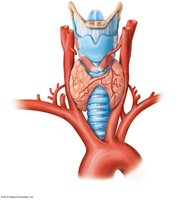
The thyroid gland is found at the base of the throat and produces two hormones: thyroid hormone (major metabolic hormone) and calcitonin (decreases blood calcium levels by causing calcium deposition on bone).
Parathyroid Glands
Tiny masses on the posterior of the thyroid, the parathyroid glands secrete parathyroid hormone (PTH), which stimulates osteoclasts to remove calcium from bone and increases blood calcium levels. PTH also stimulates kidneys and intestines to absorb more calcium.
Calcium Homeostasis
Calcitonin: Released when calcium is too high; decreases blood calcium levels.
PTH: Released when calcium is too low; increases blood calcium levels.
Thymus Gland
Located posterior to the sternum, the thymus gland is largest in infants and children. It produces thymosin, which matures some types of white blood cells and is important in developing the immune system.
Adrenal Glands
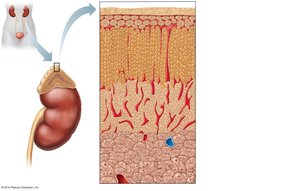
The adrenal glands sit on top of the kidneys and have two regions:
Adrenal cortex: Produces corticosteroids for metabolism and response to stress.
Adrenal medulla: Produces epinephrine and norepinephrine for physical/emotional stress.
Pancreas
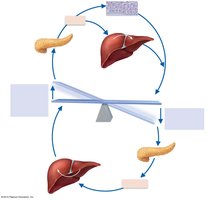
The pancreas is a mixed gland located in the abdomen, close to the stomach. The pancreatic islets produce insulin (lowers blood glucose) and glucagon (raises blood glucose), which are antagonists that maintain blood sugar homeostasis.
Gonads
Ovaries
Produce eggs
Produce estrogens and progesterone
Estrogens stimulate development of secondary female characteristics and mature reproductive organs
Progesterone promotes breast development, regulates menstrual cycle, and prepares uterus for embryo implantation
Testes
Produce sperm
Produce testosterone
Testosterone is responsible for adult male secondary sex characteristics, growth and maturation of male reproductive system, and sperm cell production
Summary Table: Major Endocrine Glands and Their Hormones
The following tables summarize the major endocrine glands, their hormones, chemical classes, major actions, and regulatory mechanisms.
Gland | Hormone | Chemical Class | Major Actions | Regulated By |
|---|---|---|---|---|
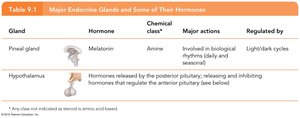
Pineal gland | Melatonin | Amine | Involved in biological rhythms (daily and seasonal) | Light/dark cycles |
Hypothalamus | Releasing and inhibiting hormones | Peptide | Regulate anterior pituitary | Neural and hormonal signals |
Gland | Hormone | Chemical Class | Major Actions | Regulated By |
|---|---|---|---|---|
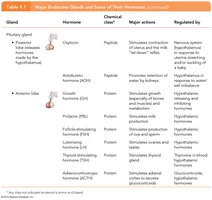
Pituitary gland (posterior) | Oxytocin, ADH | Peptide | Stimulates uterine contraction, milk "let-down"; promotes water retention by kidneys | Nervous system, hypothalamus |
Pituitary gland (anterior) | GH, PRL, FSH, LH, TSH, ACTH | Protein | Growth, milk production, gonad stimulation, thyroid stimulation, adrenal cortex stimulation | Hypothalamus, hormonal feedback |
Gland | Hormone | Chemical Class | Major Actions | Regulated By |
|---|---|---|---|---|
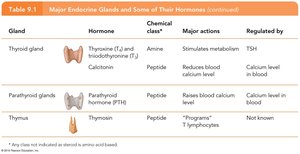
Thyroid gland | Thyroxine (T4), Triiodothyronine (T3), Calcitonin | Amine, Peptide | Stimulates metabolism, reduces blood calcium | TSH, calcium levels |
Parathyroid glands | PTH | Peptide | Raises blood calcium | Calcium levels |
Thymus | Thymosin | Peptide | Programs T lymphocytes | Unknown |
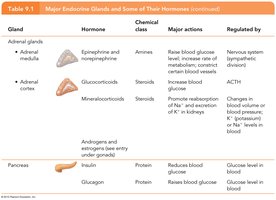
Gland | Hormone | Chemical Class | Major Actions | Regulated By |
|---|---|---|---|---|
Adrenal glands (medulla) | Epinephrine, norepinephrine | Amine | Raise blood glucose, increase metabolism | Nervous system |
Adrenal glands (cortex) | Glucocorticoids, mineralocorticoids | Steroid | Increase blood glucose, promote reabsorption of Na+ and excretion of K+ | ACTH, blood volume/ion levels |
Pancreas | Insulin, glucagon | Protein | Reduce/increase blood glucose | Glucose levels |
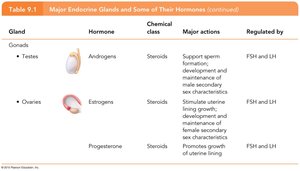
Gland | Hormone | Chemical Class | Major Actions | Regulated By |
|---|---|---|---|---|
Testes | Androgens | Steroid | Support sperm formation, male secondary sex characteristics | FSH, LH |
Ovaries | Estrogens, progesterone | Steroid | Stimulate uterine lining growth, female secondary sex characteristics, promote growth of uterine lining | FSH, LH |
Other Hormone-Producing Tissues and Organs
Other tissues and organs, such as parts of the small intestine, stomach, kidneys, heart, and placenta, also produce hormones. The placenta produces hormones that maintain pregnancy and play a role in delivery, including human chorionic gonadotropin (hCG), estrogen, and progesterone.
Key Equations and Concepts
Negative Feedback Regulation
Hormone release is often regulated by negative feedback, maintaining homeostasis:
Blood Calcium Regulation
Calcium homeostasis is maintained by the antagonistic actions of calcitonin and PTH:
Blood Glucose Regulation
Blood glucose is regulated by insulin and glucagon:
Summary
The endocrine system is essential for regulating numerous physiological processes through hormone secretion. Understanding the structure, function, and regulation of endocrine glands and their hormones is fundamental for students of anatomy and physiology.
