 Back
The Endocrine System: Structure, Function, and Regulation
Study Guide - Smart Notes
 Tailored notes based on your materials, expanded with key definitions, examples, and context.
Endocrine System Overview
Introduction to the Endocrine System
The endocrine system is a major regulatory system of the body, working alongside the nervous system to maintain homeostasis. It is composed of ductless glands that secrete hormones directly into the bloodstream, influencing various physiological processes throughout the body.
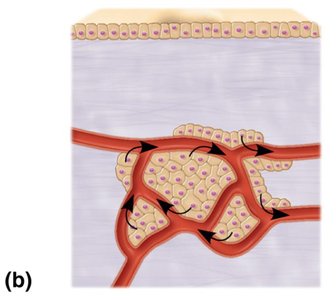
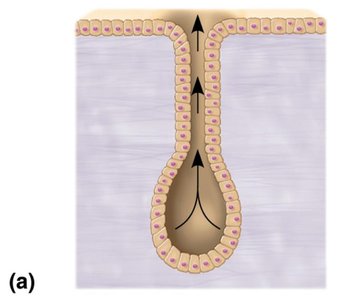
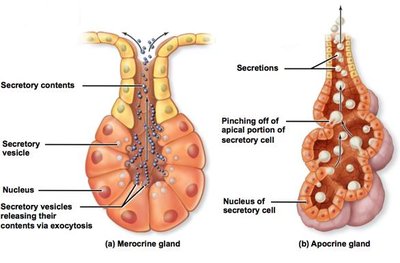
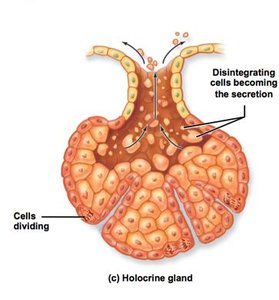
Exocrine glands: Secrete products into ducts (e.g., sweat, salivary glands).
Endocrine glands: Ductless; secrete hormones into the blood.
Comparison: Endocrine vs. Nervous System
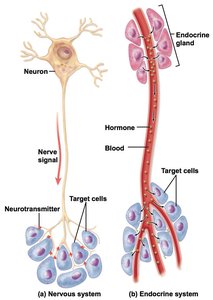
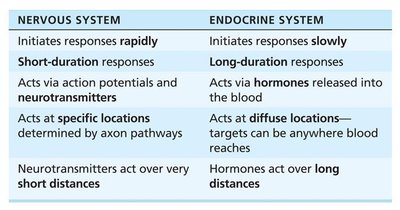
Both the endocrine and nervous systems coordinate and regulate body functions, but they differ in their mechanisms and effects.
Nervous system: Uses neurotransmitters, acts rapidly, effects are short-lived and localized.
Endocrine system: Uses hormones, acts slowly, effects are long-lasting and widespread.
Organization and Functions of the Endocrine System
Major Endocrine Glands and Their Locations
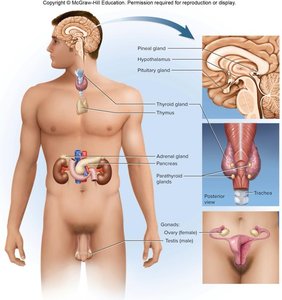
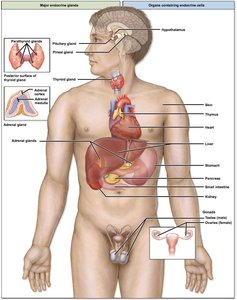
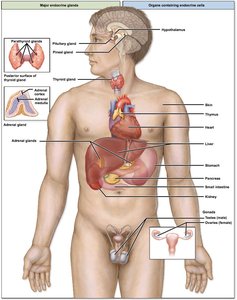
The endocrine system consists of primary endocrine organs and organs containing clusters of endocrine cells. These glands are highly vascularized to facilitate hormone transport.
Primary endocrine organs: Pituitary, pineal, thyroid, parathyroid, adrenal glands.
Other organs with endocrine cells: Hypothalamus, skin, thymus, heart, liver, stomach, pancreas, small intestine, kidneys, gonads.
General Functions of the Endocrine System
Maintains homeostasis of blood composition and volume (e.g., glucose, ions).
Controls reproductive activities and sexual behaviors.
Regulates development, growth, and metabolism.
Controls digestive processes.
Hormone Regulation and Mechanisms
Types of Hormonal Stimulation
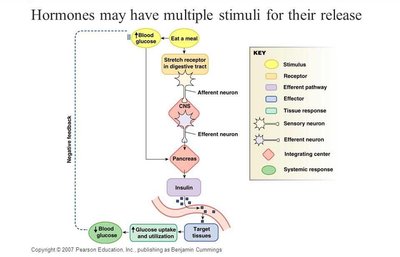
Hormone secretion is regulated by three primary types of stimulation:
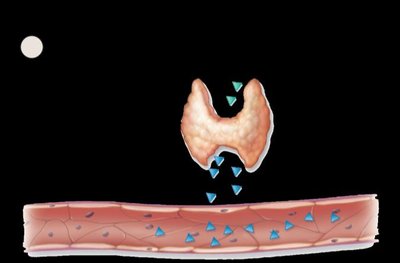
Hormonal stimulation: Release of a hormone in response to another hormone (e.g., TSH stimulates thyroid hormone release).
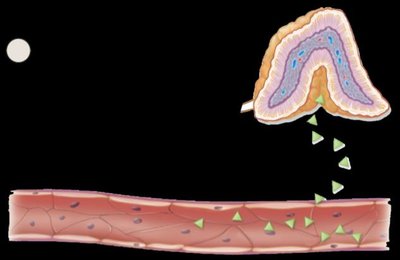
Humoral stimulation: Release of a hormone in response to changes in blood levels of nutrients or ions (e.g., insulin release due to increased blood glucose).
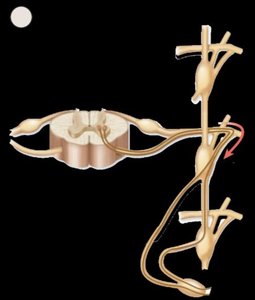
Nervous stimulation: Release of a hormone in response to nervous system signals (e.g., adrenal medulla releases epinephrine during stress).
Categories of Circulating Hormones
Hormones are classified based on their chemical structure:
Steroid hormones: Lipid-soluble, derived from cholesterol (e.g., cortisol, sex hormones).
Protein hormones: Water-soluble, composed of amino acid chains (e.g., insulin, parathyroid hormone).
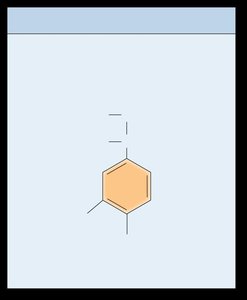
Biogenic amines: Water-soluble (except thyroid hormone), derived from modified amino acids (e.g., norepinephrine, thyroid hormone).
Hormone Transport and Half-Life
Water-soluble hormones: Dissolve in blood plasma, have short half-lives (minutes).
Lipid-soluble hormones: Require carrier proteins, have longer half-lives (days).
Hormone concentration is regulated by synthesis and elimination rates.
Hormone Action on Target Cells
Lipid-Soluble Hormones
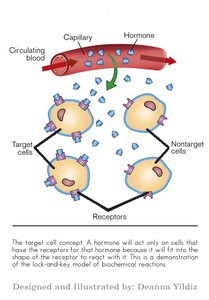
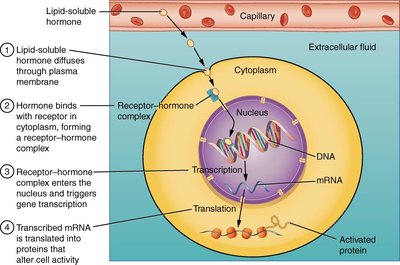
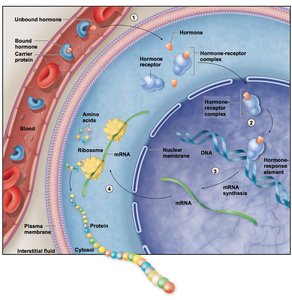
Lipid-soluble hormones diffuse through the plasma membrane and bind to intracellular receptors, forming a hormone-receptor complex that acts as a transcription factor to regulate gene expression.
Examples: Steroid hormones, thyroid hormone.
Result: Synthesis of new proteins, altering cell activity.
Water-Soluble Hormones
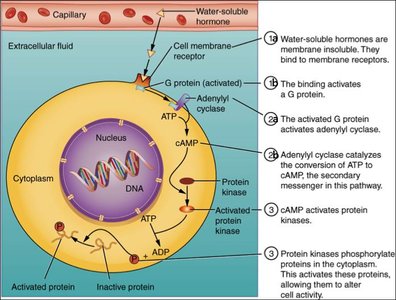
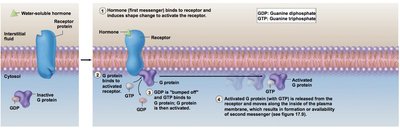
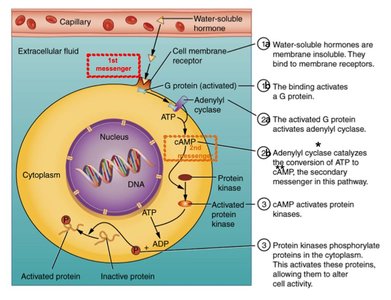
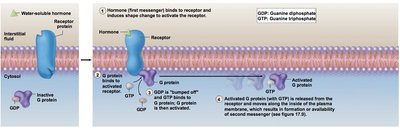
Water-soluble hormones bind to cell membrane receptors, activating second messenger systems (e.g., cAMP, IP3/DAG) via G proteins. This leads to a cascade of intracellular events that modify cellular activity.
Examples: Peptide hormones, catecholamines.
Result: Activation or inhibition of enzymes, changes in membrane permeability, secretion, or gene expression.
Cellular Response Regulation
Up-regulation: Increase in receptor number, increasing sensitivity to hormone.
Down-regulation: Decrease in receptor number, decreasing sensitivity to hormone.
Cells may have receptors for multiple hormones, leading to synergistic, permissive, or antagonistic interactions.
Pancreatic Hormones and Glucose Regulation
Pancreas Structure and Function
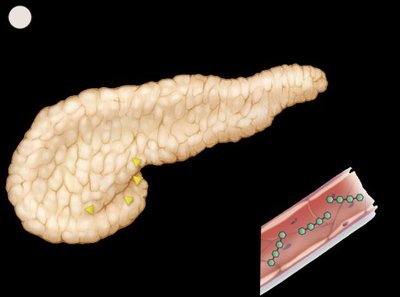
The pancreas has both exocrine (digestive enzyme secretion) and endocrine (hormone secretion) functions. The endocrine portion consists of islet cells: alpha cells (glucagon), beta cells (insulin), delta cells (somatostatin), and F cells (pancreatic polypeptide).
Insulin and Glucagon: Regulation of Blood Glucose
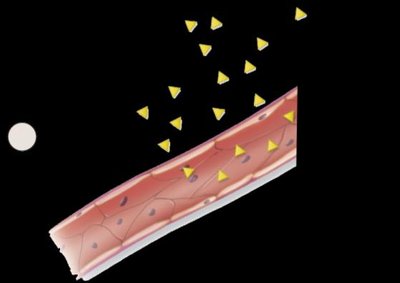
Insulin: Released in response to high blood glucose; promotes glucose uptake, glycogenesis, lipogenesis, and protein synthesis.
Glucagon: Released in response to low blood glucose; promotes glycogenolysis, gluconeogenesis, and lipolysis.


Clinical Correlates: Diabetes Mellitus and Hypoglycemia
Type 1 diabetes: Autoimmune destruction of beta cells; requires insulin therapy.
Type 2 diabetes: Insulin resistance; associated with obesity; managed with lifestyle and medication.
Gestational diabetes: Occurs during pregnancy; increases risk for type 2 diabetes later.
Hypoglycemia: Low blood glucose; can result from excess insulin, prolonged exercise, or metabolic disorders.
Hypothalamus and Pituitary Gland
Hypothalamic Control of the Pituitary
The hypothalamus regulates the pituitary gland through releasing and inhibiting hormones. The pituitary is divided into anterior and posterior lobes, each with distinct functions.
Posterior pituitary: Stores and releases ADH (antidiuretic hormone) and oxytocin produced by the hypothalamus.
Anterior pituitary: Produces tropic hormones (TSH, ACTH, FSH, LH, GH, PRL, MSH) under hypothalamic regulation.
Major Pituitary Hormones and Their Functions
Hormone | Target | Main Function |
|---|---|---|
TSH | Thyroid gland | Stimulates thyroid hormone release |
ACTH | Adrenal cortex | Stimulates glucocorticoid release |
FSH/LH | Gonads | Regulate gamete and sex hormone production |
GH | Most tissues | Stimulates growth and metabolism |
PRL | Mammary glands | Stimulates milk production |
MSH | Melanocytes | Stimulates melanin synthesis |
Representative Endocrine Glands and Hormones
Thyroid Gland
Produces thyroid hormones (T3, T4) that regulate metabolic rate, growth, and development.
Calcitonin lowers blood calcium levels.
Disorders: Hyperthyroidism (excess TH), hypothyroidism (deficient TH), goiter (enlarged thyroid, often due to iodine deficiency).
Parathyroid Glands
Secrete parathyroid hormone (PTH), which increases blood calcium by stimulating bone resorption, increasing intestinal absorption, and reducing urinary excretion.
Adrenal Glands
Adrenal cortex: Produces corticosteroids (mineralocorticoids, glucocorticoids, gonadocorticoids).
Adrenal medulla: Produces catecholamines (epinephrine, norepinephrine) in response to stress.
Cortisol: Increases blood glucose, suppresses inflammation, and helps resist stress.
Disorders: Cushing syndrome (excess cortisol), Addison disease (cortisol deficiency).
Pineal Gland
Secretes melatonin, regulating circadian rhythms and possibly reproductive timing.
Thymus
Site of T cell maturation; secretes thymic hormones important for immune function.
Endocrine System and Aging
With aging, endocrine gland activity generally declines, leading to reduced hormone levels and decreased physiological responsiveness. This contributes to changes in metabolism, body composition, and overall homeostasis in elderly individuals.
