 Back
BackThe Endocrine System: Structure, Function, and Disorders
Study Guide - Smart Notes
 Tailored notes based on your materials, expanded with key definitions, examples, and context.
The Endocrine System
Overview of the Endocrine System
The endocrine system is a network of ductless glands that secrete hormones directly into the bloodstream, regulating various physiological processes throughout the body. Unlike exocrine glands, which release their products into ducts, endocrine glands have no ducts and their secretions have widespread effects on target organs and tissues.
Endocrine glands: Ductless glands that secrete hormones into the blood.
Exocrine glands: Secrete products into ducts that empty onto surfaces or into cavities (not part of the endocrine system).
Hormones: Chemical messengers with regulatory effects on target cells or organs.
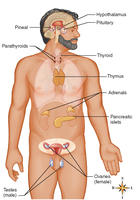
Location of Major Endocrine Glands
Major endocrine glands include the pituitary, thyroid, parathyroids, adrenals, pancreas (islets), ovaries, testes, pineal, and thymus. Each gland produces specific hormones that regulate critical body functions.
Hormones and Their Mechanisms of Action
General Mechanisms
Hormones act as chemical messengers, facilitating communication and control within the body. Their effects are slower and longer-lasting than nerve impulses. Cells that respond to hormones are called target cells.
Types of Hormones
Nonsteroid hormones (protein hormones): Bind to receptors on the cell membrane, triggering second messengers inside the cell to alter cellular activity.
Steroid hormones: Pass through the cell membrane and bind to receptors within the nucleus, directly influencing gene expression and protein synthesis.
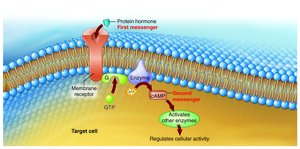
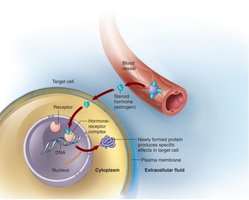
Regulation of Hormone Secretion
Hormone secretion is primarily regulated by homeostatic feedback mechanisms:
Negative feedback: Reverses the direction of a change in a physiological system, maintaining stability.
Positive feedback: Amplifies physiological changes (less common).
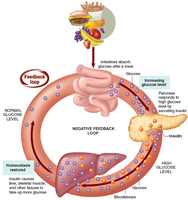
Mechanisms of Endocrine Disease
Hypersecretion: Excess hormone production.
Hyposecretion: Insufficient hormone production.
Polyendocrine disorders: Involve abnormal secretion of more than one hormone.
Target cell insensitivity: Target cells fail to respond to hormones, mimicking hyposecretion.
Prostaglandins (PGs)
Prostaglandins are locally acting lipid compounds found in many tissues. They influence functions such as respiration, blood pressure, gastrointestinal secretions, and reproduction. Major classes include PGA, PGE, and PGF.
Major Endocrine Glands and Their Hormones
Pituitary Gland
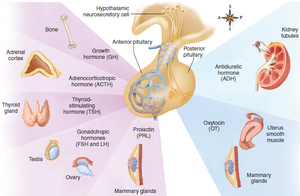
The pituitary gland is divided into the anterior (adenohypophysis) and posterior (neurohypophysis) lobes, each producing distinct hormones.
Anterior Pituitary Hormones
Thyroid-stimulating hormone (TSH): Stimulates thyroid growth and hormone secretion.
Adrenocorticotropic hormone (ACTH): Stimulates adrenal cortex growth and glucocorticoid secretion.
Follicle-stimulating hormone (FSH): Initiates ovarian follicle growth and sperm production.
Luteinizing hormone (LH): Triggers ovulation and stimulates sex hormone production.
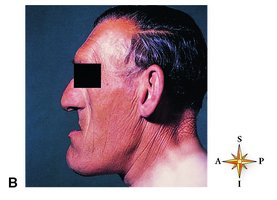
Growth hormone (GH): Stimulates growth, protein synthesis, fat catabolism, and increases blood glucose.
Prolactin (PRL): Stimulates breast development and milk production.

Posterior Pituitary Hormones
Antidiuretic hormone (ADH): Promotes water reabsorption in kidneys, reducing urine output. Hyposecretion causes diabetes insipidus.
Oxytocin (OT): Stimulates uterine contractions during labor and milk ejection during breastfeeding.
Hypothalamus
The hypothalamus produces ADH and oxytocin, which are stored and released by the posterior pituitary. It also regulates many homeostatic functions such as temperature, appetite, and thirst.
Thyroid Gland
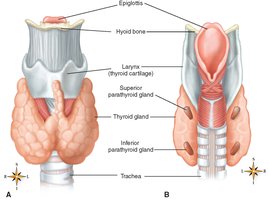
Thyroxine (T4) and Triiodothyronine (T3): Increase metabolic rate and promote catabolism.
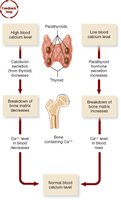
Calcitonin (CT): Lowers blood calcium by inhibiting bone breakdown.
Thyroid Disorders
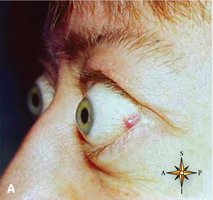
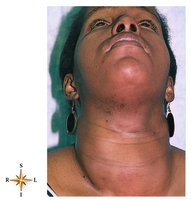
Hyperthyroidism: Excess thyroid hormone, causing increased metabolism, restlessness, and exophthalmos (Graves disease).
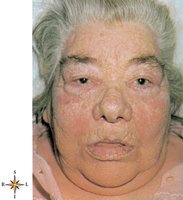
Hypothyroidism: Deficient thyroid hormone, leading to goiter, cretinism (in children), or myxedema (in adults).
Parathyroid Glands
Parathyroid hormone (PTH): Increases blood calcium by stimulating bone breakdown.
Adrenal Glands
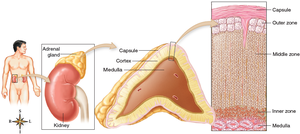
Adrenal Cortex
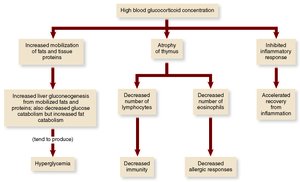
Glucocorticoids (e.g., cortisol): Regulate metabolism, increase blood glucose, and have anti-inflammatory effects.
Mineralocorticoids (e.g., aldosterone): Regulate sodium and potassium balance.
Sex hormones (androgens): Minor role in both sexes.
Functions and Disorders of Glucocorticoids
Maintain blood glucose via gluconeogenesis.
Support blood pressure and stress responses.
Suppress immune and allergic responses.
Adrenal Medulla
Epinephrine (adrenaline) and norepinephrine: Enhance and prolong sympathetic nervous system effects during stress.
Adrenal Disorders
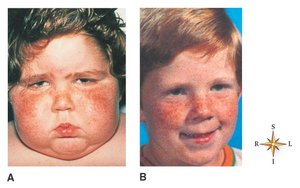
Cushing syndrome: Hypersecretion of glucocorticoids, causing characteristic fat distribution and other symptoms.
Addison disease: Hyposecretion of cortical hormones, leading to weakness and electrolyte imbalance.
Pancreatic Islets
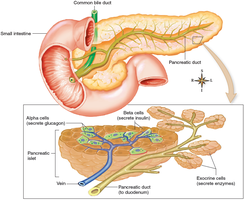
Glucagon (alpha cells): Raises blood glucose by promoting glycogen breakdown in the liver.
Insulin (beta cells): Lowers blood glucose by facilitating cellular uptake and metabolism of glucose.
Diabetes Mellitus
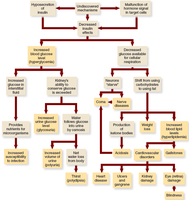
Type 1: Insulin hyposecretion.
Type 2: Target cell insensitivity to insulin.
Results in hyperglycemia and glycosuria.
Gonads (Sex Glands)
Ovaries: Secrete estrogens (development of female characteristics) and progesterone (regulates menstrual cycle and pregnancy).
Testes: Secrete testosterone (development of male characteristics).
Thymus
Thymosin: Essential for immune system development and function.
Placenta
Secretes chorionic gonadotropins, estrogens, and progesterone to maintain pregnancy.
Pineal Gland
Melatonin: Regulates circadian rhythms and inhibits ovarian activity; abnormal secretion may cause seasonal affective disorder (SAD).
Other Endocrine Structures
Ghrelin (stomach): Stimulates appetite and slows metabolism.
Atrial natriuretic hormone (heart): Promotes sodium loss by the kidneys.
Leptin (fat cells): Regulates hunger and satiety.
