 Back
BackThe Immune System: Innate and Adaptive Body Defenses – Structured Study Notes
Study Guide - Smart Notes
 Tailored notes based on your materials, expanded with key definitions, examples, and context.
The Immune System: Innate and Adaptive Body Defenses
Immunity: Overview
The immune system provides resistance to disease through two major, intertwined defense systems: the innate (nonspecific) defense system and the adaptive (specific) defense system. These systems function as a coordinated network rather than a single organ system.
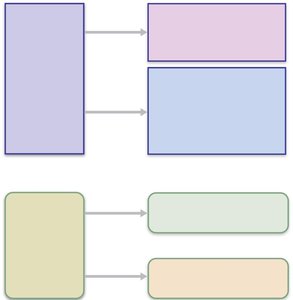
Innate Defense System: First and second lines of defense; rapid response.
Adaptive Defense System: Third line of defense; slower, highly specific response.
Innate Defenses
Surface Barriers
Surface barriers, including skin and mucous membranes, are the body's first line of defense against pathogens. Their secretions and structural features inhibit or destroy microorganisms.
Acid Mantle: Acidity of skin and secretions inhibits microbial growth.
Enzymes: Lysozyme in saliva, mucus, and tears kills bacteria.
Defensins: Antimicrobial peptides that inhibit microbial growth.
Other Chemicals: Lipids in sebum and dermcidin in sweat are toxic to bacteria.
Respiratory Modifications: Mucus-coated hairs and cilia trap and remove pathogens.
Internal Defenses: Cells and Chemicals
If pathogens breach surface barriers, internal defenses are activated. These include phagocytes, natural killer cells, antimicrobial proteins, fever, and inflammation.
Phagocytes: Neutrophils and macrophages engulf and digest pathogens.
Natural Killer (NK) Cells: Attack cells lacking "self" markers, induce apoptosis.
Antimicrobial Proteins: Interferons and complement proteins hinder pathogen reproduction.
Fever: Elevated body temperature inhibits microbial growth and speeds repair.
Inflammation: Local response to injury; prevents spread, disposes debris, alerts adaptive system.
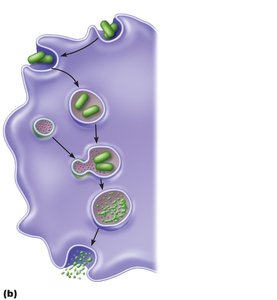
Phagocytosis
Phagocytosis is the process by which phagocytes ingest and destroy pathogens. The steps include adherence, engulfment, formation of a phagosome, fusion with lysosome, digestion, and exocytosis of residual material.
Neutrophils: Most abundant, become phagocytic upon infection.
Macrophages: Chief phagocytic cells, derived from monocytes.
Inflammatory Response
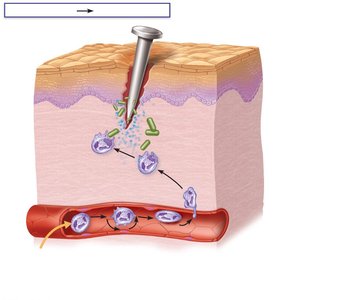
Inflammation is triggered by tissue injury and involves the release of chemicals that attract immune cells. The cardinal signs are redness, heat, swelling, pain, and sometimes impairment of function.
Toll-like Receptors (TLRs): Recognize microbes and trigger cytokine release.
Phagocyte Mobilization: Neutrophils arrive first, followed by monocytes/macrophages.
Antimicrobial Proteins
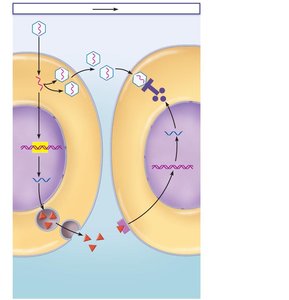
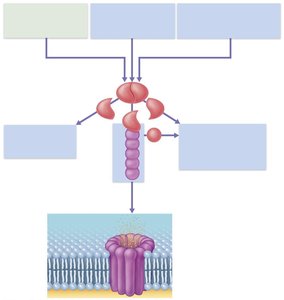
Interferons and complement proteins are key antimicrobial proteins. Interferons warn neighboring cells of viral infection, while complement proteins destroy pathogens by various mechanisms.
Interferons (IFNs): Secreted by infected cells, activate antiviral defenses in neighbors.
Complement System: A group of ~20 blood proteins that enhance phagocytosis, inflammation, and cell lysis.
Fever
Fever is a systemic response to infection. Pyrogens released by leukocytes and macrophages raise the body's thermostat, causing increased temperature.
Benefits: Sequesters iron and zinc, increases metabolic rate, accelerates repair.
Adaptive Defenses
Characteristics of Adaptive Immunity
The adaptive immune system is specific, systemic, and has memory. It consists of humoral (antibody-mediated) and cellular (cell-mediated) immunity.
Humoral Immunity: B cells produce antibodies that target extracellular pathogens.
Cellular Immunity: T cells target infected or abnormal cells directly.
Antigens
Antigens are substances that provoke an immune response. Most are large, complex molecules not normally found in the body.
Immunogenicity: Ability to stimulate lymphocyte proliferation.
Reactivity: Ability to react with lymphocytes and antibodies.
Haptens: Small molecules that are immunogenic only when attached to body proteins.
Antigenic Determinants: Specific regions of an antigen recognized by antibodies.

Self-antigens: MHC Proteins
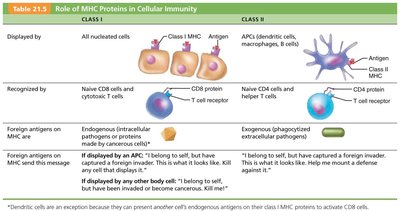
Major Histocompatibility Complex (MHC) proteins are self-antigens found on cell surfaces. They are unique to each individual and play a critical role in immune recognition.
Cells of the Adaptive Immune System
Three main cell types are involved: B lymphocytes (humoral immunity), T lymphocytes (cellular immunity), and antigen-presenting cells (APCs).
B cells: Mature in bone marrow; produce antibodies.
T cells: Mature in thymus; perform cell-mediated functions.
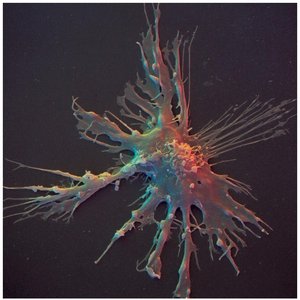
APCs: Include dendritic cells, macrophages, and B cells; present antigens to T cells.
Lymphocyte Development, Maturation, and Activation
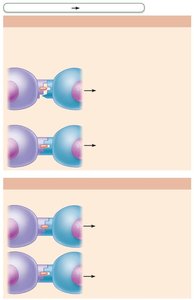
Lymphocytes undergo five steps: origin, maturation, seeding secondary organs, antigen encounter and activation, proliferation and differentiation.
Immunocompetence: Ability to recognize a specific antigen.
Self-tolerance: Unresponsiveness to self-antigens.
Humoral Immune Response
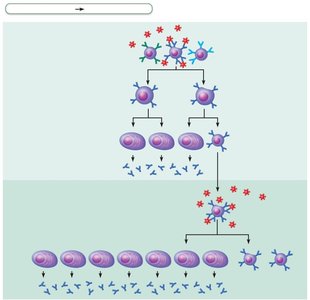
B cells are activated when antigens bind to their surface receptors, leading to clonal selection, proliferation, and differentiation into plasma cells and memory cells.
Plasma Cells: Secrete antibodies.
Memory Cells: Provide immunological memory for faster secondary responses.
Immunological Memory
Primary response occurs after first exposure, with a lag period and gradual antibody increase. Secondary response is faster, stronger, and longer-lasting due to memory cells.
Antibody Structure and Classes
Antibodies (immunoglobulins) are proteins produced by plasma cells. They have variable and constant regions, and are grouped into five classes (IgG, IgM, IgA, IgD, IgE).
IgG: Most abundant, crosses placenta.
IgM: First produced in response.
Antibody Targets and Functions
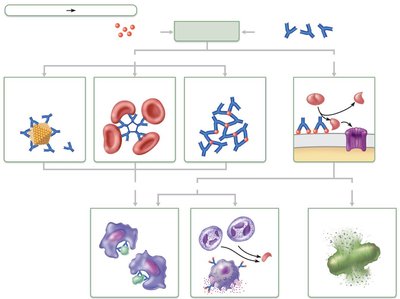
Antibodies inactivate and tag antigens for destruction by forming antigen-antibody complexes. Main mechanisms include neutralization, agglutination, precipitation, and complement fixation.
Neutralization: Blocks harmful sites on pathogens.
Agglutination: Clumps cell-bound antigens.
Precipitation: Cross-links soluble antigens.
Complement Fixation: Leads to cell lysis.
Cellular Immune Response
T Cells and Antigen Presentation
T cells defend against intracellular antigens. They are activated by antigen fragments presented on MHC proteins. Two main types of MHC proteins are involved: Class I (all cells except RBCs) and Class II (APCs).
T Cell Activation
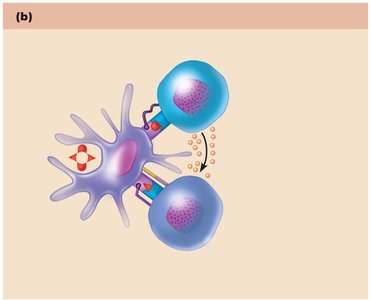
T cell activation requires antigen binding and co-stimulation, leading to clonal selection, proliferation, and differentiation into effector and memory cells.
Helper T (TH) Cells
Helper T cells play a central role by activating both humoral and cellular arms, recruiting other immune cells, and amplifying innate defenses.
Cytotoxic T (TC) Cells
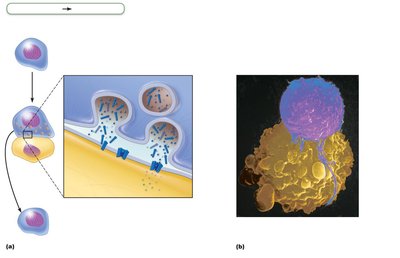
Cytotoxic T cells directly attack and kill infected or abnormal cells using perforins and granzymes to induce apoptosis.
Regulatory T (TReg) Cells
Regulatory T cells suppress immune responses, preventing autoimmune reactions and maintaining tolerance.
Homeostatic Imbalances of Immunity
Immunodeficiencies
Immunodeficiencies are conditions that impair immune function. Examples include SCID (congenital), Hodgkin's disease (acquired), and AIDS (acquired).
SCID: Genetic defect, deficit in B and T cells.
Hodgkin's Disease: Cancer of B cells.
AIDS: Caused by HIV, destroys helper T cells.
Autoimmune Diseases
Autoimmune diseases occur when the immune system attacks self tissues. Examples include multiple sclerosis, type 1 diabetes, and rheumatoid arthritis.
Treatment: Immunosuppressive drugs, research into regulatory T cells.
Hypersensitivities (Allergies)
Hypersensitivities are immune responses to harmless antigens, causing tissue damage. Types include immediate (antibody-mediated), subacute, and delayed (T cell-mediated).
Immediate: Allergies, anaphylactic shock.
Subacute: Cytotoxic and immune complex reactions.
Delayed: Contact dermatitis.
Developmental Aspects of the Immune System
Immune system stem cells develop in the liver and spleen during early fetal life, then in bone marrow. With age, immune function declines, increasing susceptibility to disease.
