 Back
BackThe Immune System: Innate and Adaptive Body Defenses
Study Guide - Smart Notes
 Tailored notes based on your materials, expanded with key definitions, examples, and context.
The Immune System: Innate and Adaptive Body Defenses
Introduction to the Immune System
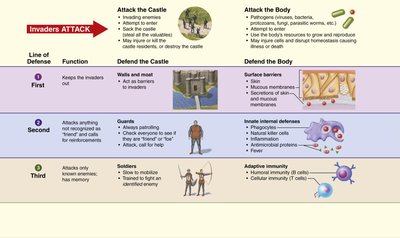
The immune system is a functional system that provides resistance to disease-causing microorganisms such as bacteria, fungi, and viruses. It is not an anatomical organ system but consists of a variety of molecules and immune cells, especially lymphocytes, that reside in lymphoid tissues and circulate in body fluids. The immune system is often compared to a medieval castle with multiple lines of defense that act both independently and cooperatively to resist invasion.

Lines of Defense
First Line: Surface Barriers – Intact skin and mucosae act as structural barriers to keep invaders out.
Second Line: Innate Internal Defenses – Includes phagocytes, natural killer cells, antimicrobial proteins, inflammation, and fever. These defenses are always present and act quickly upon invasion.
Third Line: Adaptive (Specific) Defense System – Provides a targeted response to specific pathogens, involving B and T lymphocytes. This response takes longer to mount but is highly specific and has memory.
Innate (Nonspecific) Defenses
Surface Barriers
Surface barriers include the skin and mucous membranes, along with their secretions. The heavily keratinized epidermis is highly effective against most microbes, and mucosae provide similar mechanical barriers within the body. These barriers also produce protective chemicals that inhibit or destroy microbes:
Acid: The acidity of skin, vaginal, and stomach secretions inhibits bacterial growth (acid mantle).
Enzymes: Lysozyme in saliva, respiratory mucus, and tears kills many microbes; protein-digesting enzymes in the stomach destroy pathogens.
Mucin: Sticky mucus traps microbes in the digestive and respiratory tracts.
Defensins: Antimicrobial peptides secreted in response to barrier breach and inflammation.
Other chemicals: Sebum and sweat contain bactericidal chemicals.
Innate Internal Defenses
If microbes breach the first line, the second line of defense is activated. This includes phagocytes, natural killer cells, antimicrobial proteins, inflammation, and fever. These defenses recognize pathogens by binding to specific-shaped molecules (e.g., carbohydrates) found on them, but not on normal human cells. Pattern recognition receptors, such as Toll-like receptors (TLRs), play a central role in triggering immune responses.
Phagocytes
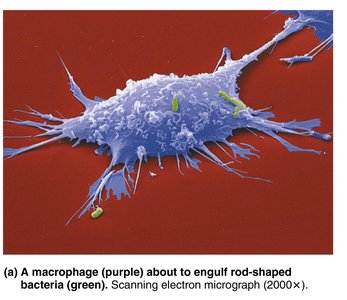
Phagocytes are white blood cells that ingest and digest foreign invaders and cellular debris. The main types are neutrophils (most abundant) and macrophages (most voracious). Macrophages can be free (wandering) or fixed (permanent residents of specific organs).
Phagocytosis
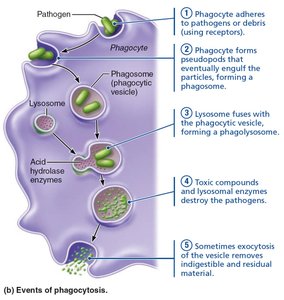
Phagocytosis begins when phagocyte receptors bind to a particle, which is then engulfed and enclosed within a vesicle (phagosome). The phagosome fuses with a lysosome to form a phagolysosome, where acidic conditions and lysosomal enzymes digest the contents. Some pathogens resist digestion, but helper T cells can stimulate macrophages to produce a respiratory burst, releasing free radicals and oxidizing chemicals to kill the pathogen.
Inflammation
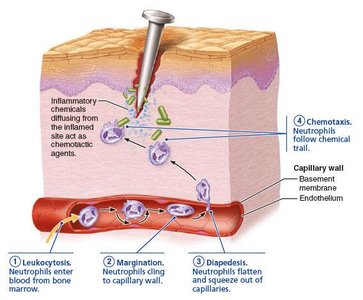
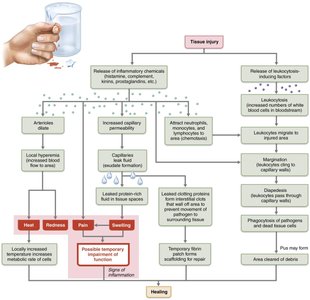
Inflammation is a nonspecific response to tissue injury, caused by trauma, heat, chemicals, or infection. Its benefits include preventing the spread of pathogens, disposing of debris, alerting the adaptive immune system, and setting the stage for repair. The four cardinal signs are redness, heat, swelling, and pain.
Vasodilation and Increased Permeability: Local vasodilation increases blood flow (redness and heat), and increased capillary permeability allows exudate to seep into tissues (swelling and pain).
Phagocyte Mobilization: Neutrophils and monocytes migrate to the site of injury in four steps: leukocytosis, margination, diapedesis, and chemotaxis.
Antimicrobial Proteins
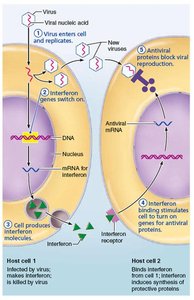
Antimicrobial proteins enhance innate defenses by attacking microbes directly or hindering their ability to reproduce. The most important are interferons and complement proteins.
Interferons (IFNs): Proteins produced by virus-infected cells that help protect neighboring cells from viral infection by stimulating the production of antiviral proteins.
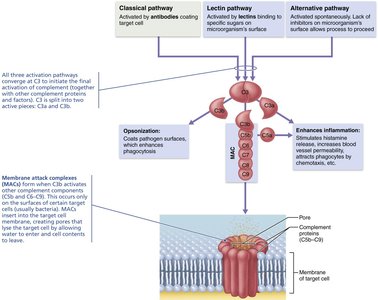
Complement System: A group of at least 20 plasma proteins that, when activated, amplify inflammation, enhance phagocytosis, and cause cell lysis. Activation occurs via three pathways: classical, lectin, and alternative, all converging at C3.
Fever
Fever is a systemic response to infection, initiated by pyrogens released by leukocytes and macrophages. It increases the metabolic rate, enhances immune cell migration, and inhibits bacterial growth by reducing the availability of iron.
Adaptive (Specific) Defenses
Overview
The adaptive immune system is a specific defensive system that targets and eliminates almost any pathogen. It consists of two overlapping arms:
Humoral Immunity: Provided by antibodies produced by B lymphocytes, targeting extracellular pathogens.
Cellular Immunity: Provided by T lymphocytes, targeting infected or abnormal cells.
Antigens
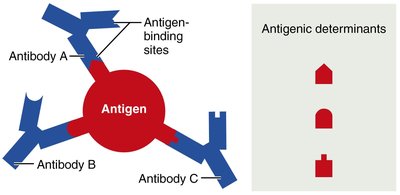
Antigens are substances that provoke an immune response. Most are large, complex molecules not normally found in the body (nonself). Antigenic determinants are specific parts of an antigen that antibodies or lymphocyte receptors bind to. Most antigens have multiple determinants, allowing them to stimulate multiple lymphocyte populations.
Cells of the Adaptive Immune Response
B Lymphocytes (B cells): Provide humoral immunity by producing antibodies.
T Lymphocytes (T cells): Provide cellular immunity by directly attacking infected or abnormal cells.
Antigen-Presenting Cells (APCs): Engulf antigens and present fragments to T cells. Major types include dendritic cells, macrophages, and B lymphocytes.
Lymphocyte Development, Maturation, and Activation
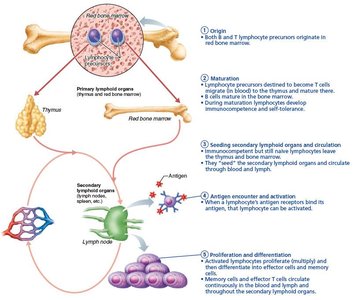
Lymphocytes undergo five general steps:
Origin: All lymphocytes originate from hematopoietic stem cells in red bone marrow.
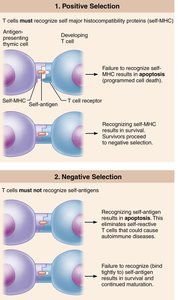
Maturation: B cells mature in bone marrow; T cells mature in the thymus. Education ensures immunocompetence and self-tolerance.
Seeding Secondary Lymphoid Organs: Naive lymphocytes colonize secondary organs (lymph nodes, spleen).
Antigen Encounter and Activation: First encounter with antigen activates the lymphocyte (clonal selection).
Proliferation and Differentiation: Activated lymphocytes proliferate and differentiate into effector and memory cells.
Humoral Immunity
Activation and Differentiation of B Cells
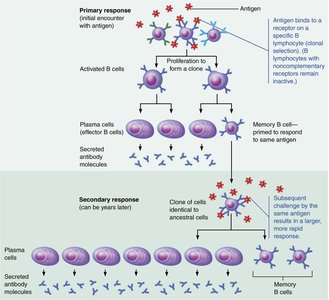
When a B cell encounters its specific antigen, it is activated and undergoes clonal selection. Most of the resulting cells become plasma cells, which secrete antibodies, while some become memory cells for future responses.
Immunological Memory
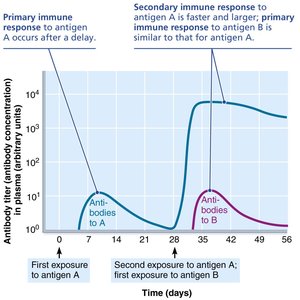
The primary immune response occurs upon first exposure to an antigen, with a lag period before antibody production peaks. The secondary response is faster and more robust due to memory cells.
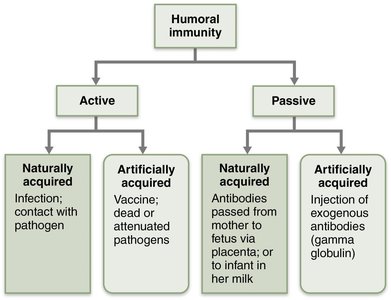
Active and Passive Humoral Immunity
Type | Acquisition | Description |
|---|---|---|
Active | Naturally acquired | Infection; contact with pathogen |
Active | Artificially acquired | Vaccine; dead or attenuated pathogens |
Passive | Naturally acquired | Antibodies passed from mother to fetus via placenta or to infant in milk |
Passive | Artificially acquired | Injection of exogenous antibodies (gamma globulin) |
Antibodies (Immunoglobulins)
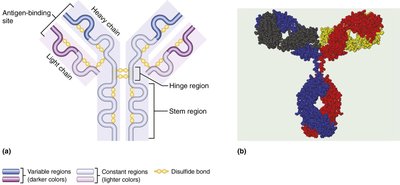
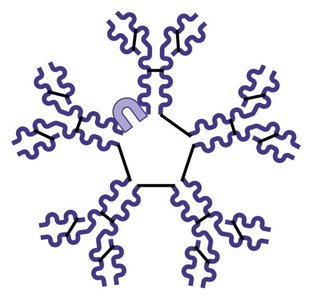
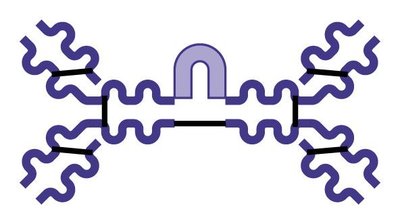
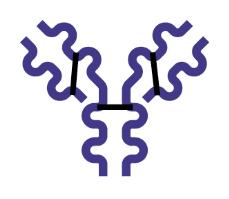
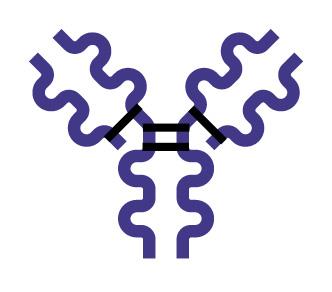
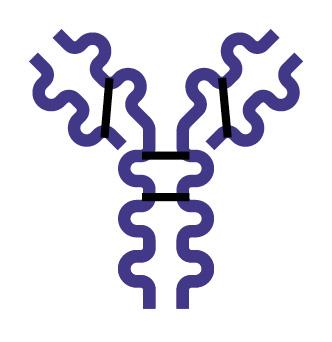
Antibodies are proteins secreted by plasma cells that bind specifically to antigens. There are five major classes: IgM, IgA, IgD, IgG, and IgE. Each has a unique structure and function.
Mechanisms of Antibody Action
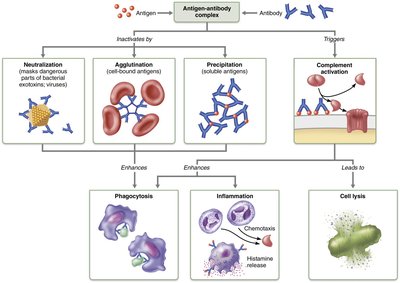
Neutralization: Antibodies block specific sites on pathogens or toxins.
Agglutination: Antibodies cause clumping of cells.
Precipitation: Soluble molecules are cross-linked and settle out of solution.
Complement Activation: Antibodies trigger the complement cascade, leading to cell lysis.
Cellular Immunity
T Lymphocytes
T cells provoke a cellular immune response when presented with antigens. Major types include:
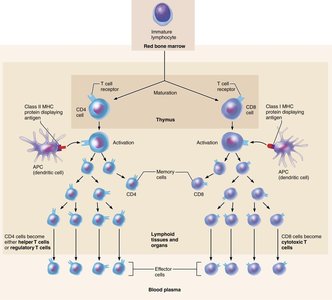
Helper T cells (TH): Activate B cells, other T cells, and macrophages; direct the adaptive immune response.
Cytotoxic T cells (TC): Directly attack and kill infected or abnormal cells.
Regulatory T cells (TReg): Moderate the immune response and help prevent autoimmunity.
MHC Proteins and Antigen Presentation
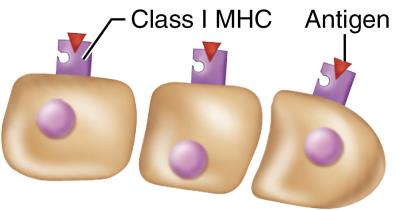
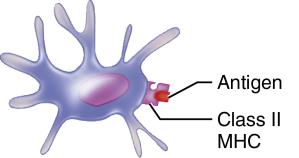
T cells respond only to processed fragments of antigens displayed on cell surfaces by major histocompatibility complex (MHC) proteins:
Class I MHC: Found on all nucleated cells; present endogenous antigens to CD8 (cytotoxic) T cells.
Class II MHC: Found on antigen-presenting cells; present exogenous antigens to CD4 (helper) T cells.
Activation and Differentiation of T Cells
T cell activation requires antigen binding and co-stimulation. Activated T cells proliferate and differentiate into effector and memory cells. Cytokines, such as interleukins and interferons, regulate and amplify immune responses.
Clinical Aspects and Disorders of Immunity
Immunodeficiencies
Immunodeficiencies are conditions that impair the function or production of immune cells or molecules. Examples include severe combined immunodeficiency (SCID) syndromes, Hodgkin’s lymphoma, and acquired immune deficiency syndrome (AIDS).
Autoimmune Diseases
Autoimmune diseases result from the immune system failing to distinguish self from nonself, leading to the destruction of the body’s own tissues. Examples include rheumatoid arthritis, type 1 diabetes mellitus, and multiple sclerosis.
Hypersensitivities
Hypersensitivities are immune responses to harmless threats that cause tissue damage. Types include:
Immediate (Type I): Allergies mediated by IgE and mast cells.
Subacute (Type II and III): Mediated by IgM and IgG; includes cytotoxic and immune complex reactions.
Delayed (Type IV): Mediated by T cells; includes contact dermatitis.
Summary Table: Key Differences Between Innate and Adaptive Defenses
Feature | Innate Defenses | Adaptive Defenses |
|---|---|---|
Cells Involved | NK cells, phagocytes, antimicrobial proteins, barriers | B and T lymphocytes |
Specificity | Nonspecific | Specific (antigen recognition) |
Response Time | Immediate | Slower (requires priming) |
Memory | None | Has memory |
Location | Local (except fever) | Systemic |
