 Back
BackThe Integumentary System: Structure, Function, and Clinical Aspects
Study Guide - Smart Notes
 Tailored notes based on your materials, expanded with key definitions, examples, and context.
The Integumentary System
Overview and Functions
The integumentary system consists of the skin and its accessory organs, including hair, nails, and cutaneous glands. It is the largest organ system in the human body and serves multiple essential functions.
Barrier: Protects against mechanical injury, pathogens, and water loss.
Vitamin D Synthesis: Initiates synthesis of vitamin D when exposed to sunlight.
Sensation: Contains sensory receptors for touch, pain, temperature, and pressure.
Thermoregulation: Regulates body temperature via sweat glands and blood vessels.
Nonverbal Communication: Facial expressions and skin color changes convey emotions.
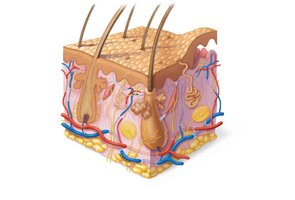
Skin Structure
Layers of the Skin
The skin is composed of three main layers, each with distinct characteristics and functions:
Epidermis: The outermost layer, made of keratinized stratified squamous epithelium. It is avascular and contains free nerve endings.
Dermis: The middle layer, composed of connective tissue, is vascularized and houses hair follicles, glands, and sensory nerve structures.
Hypodermis (Subcutaneous Tissue): Not technically part of the skin, this layer consists of areolar and adipose tissue, providing insulation and energy storage.
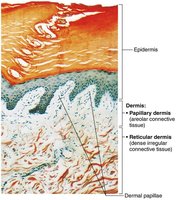
Epidermis: Structure and Cell Types
The epidermis is organized into distinct layers and contains specialized cells:
Keratinocytes: Produce keratin, the protein that gives skin its strength and waterproofing.
Melanocytes: Produce melanin, the pigment responsible for skin color.
Dendritic Cells: Macrophages involved in immune defense.
Tactile (Merkel) Cells: Sensory receptors for touch.
Stem Cells: Located in the stratum basale, responsible for regeneration.
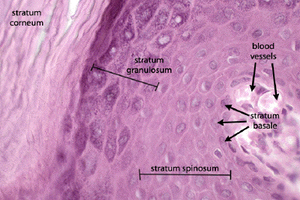
Layers of the Epidermis
The epidermis consists of four or five layers, depending on skin thickness:
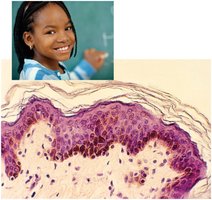
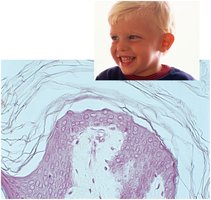
Stratum Basale: Deepest layer; contains actively mitotic stem cells and melanocytes.
Stratum Spinosum: Several layers of keratinocytes unified by desmosomes; contains dendritic cells.
Stratum Granulosum: Cells undergo keratinization; lamellar granules release glycolipids for waterproofing.
Stratum Lucidum: Present only in thick skin (palms, soles); consists of dead cells.
Stratum Corneum: Most superficial; 20–30 layers of dead, keratinized cells.
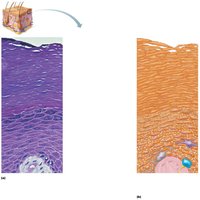
Dermis
Structure and Layers
The dermis is a connective tissue layer beneath the epidermis, providing structural support and housing various appendages.
Papillary Layer: Areolar connective tissue; contains dermal papillae, capillary loops, and touch receptors.
Reticular Layer: Dense irregular connective tissue; contains collagen fibers, glands, and hair follicles.
Dermal Modifications and Skin Markings
Specialized structures and markings in the dermis contribute to unique skin features:
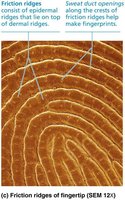
Friction Ridges: Form fingerprints; enhance grip and tactile sensation.
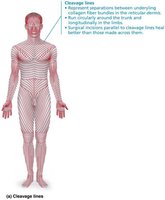
Cleavage Lines: Collagen fiber bundles; important for surgical incisions.
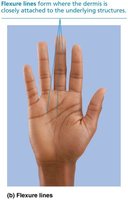
Flexure Lines: Dermal folds at joints; allow skin to move with underlying structures.
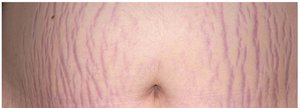
Stretch Marks (Striae): Result from dermal tears due to rapid stretching.
Hypodermis (Subcutaneous Tissue)
Structure and Function
The hypodermis lies beneath the dermis and is composed mainly of areolar and adipose tissue. It anchors the skin to underlying structures, insulates the body, and stores energy.
Skin Color
Pigments and Disorders
Skin color is determined by several pigments:
Melanin: Produced by melanocytes; comes in two forms—eumelanin (brown-black) and pheomelanin (yellow-red).
Carotene: Yellow to orange pigment from diet.
Hemoglobin: Red pigment in blood, visible in fair skin.
Disorders of skin color include:
Cyanosis: Bluish discoloration due to lack of oxygen.
Erythema: Redness from increased blood flow.
Pallor: Pale skin from reduced blood flow.
Albinism: Lack of melanin production.
Jaundice: Yellowing from bilirubin accumulation.
Hematoma: Bruising from blood accumulation under the skin.
Hair and Hair Follicles
Structure and Function
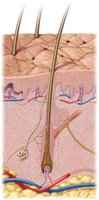
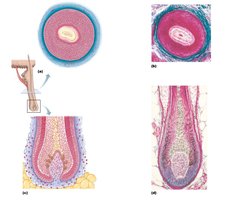
Hair is composed of dead, keratinized cells and is divided into three zones: shaft, root, and bulb. The follicle consists of an epithelial root sheath and a peripheral connective tissue sheath. Hair functions include protection, sensation, and thermoregulation.
Hair Matrix: Site of cell division and growth.
Hair Papilla: Provides nutrients via blood capillaries.
Arrector Pili Muscle: Causes hair to stand up (goosebumps).
Types of Hair
Lanugo: Fine, downy, unpigmented hair found on fetuses.
Vellus: Fine, pale hair covering most of the body.
Terminal Hair: Longer, coarser, and more pigmented; found on scalp, eyebrows, and eyelashes.
Hair Growth and Loss
Hirsutism: Excessive hair growth due to hormonal imbalance.
Alopecia: Hair loss or baldness.
Nails
Structure and Function
Nails are clear, hard derivatives of the stratum corneum, composed of hard keratin. They protect the fingertips and enhance sensation.
Lunule: Crescent-shaped area at the base of the nail.
Nail Matrix: Site of nail growth.
Hyponychium: Area under the free edge of the nail.
Cutaneous Glands
Types and Functions
The skin contains several types of glands:
Sudoriferous (Sweat) Glands: Eccrine (merocrine) glands are distributed over most of the body and function in thermoregulation. Apocrine glands are found in specific areas and produce a milky secretion.
Ceruminous Glands: Located in the external ear canal; produce cerumen (earwax).
Mammary Glands: Modified apocrine glands that produce milk.
Sebaceous Glands: Flask-shaped glands that secrete sebum (oil) into hair follicles; function in lubrication and waterproofing.
Clinical Aspects
Skin Cancer
Skin cancer is commonly induced by UV radiation and classified by the cell type of origin:
Basal Cell Carcinoma: Originates in the stratum basale; most common and least dangerous.
Squamous Cell Carcinoma: Arises from keratinocytes in the stratum spinosum; good prognosis with early treatment.
Melanoma: Originates from melanocytes; highly metastatic and deadly.
Burns
Burns are classified by depth and severity:
First-Degree: Affects only the epidermis.
Second-Degree: Damages epidermis and upper dermis.
Third-Degree: Destroys entire thickness of skin; requires skin grafting.
Layer | Cell Types | Key Features |
|---|---|---|
Stratum Basale | Keratinocytes, Melanocytes, Stem Cells | Mitotic activity, pigment production |
Stratum Spinosum | Keratinocytes, Dendritic Cells | Desmosomes, immune defense |
Stratum Granulosum | Keratinocytes | Keratinization, waterproofing |
Stratum Lucidum | Dead Keratinocytes | Present only in thick skin |
Stratum Corneum | Dead Keratinocytes | Protection, barrier function |
Additional info: The notes have been expanded to include definitions, examples, and clinical context for each major structure and function of the integumentary system, as well as relevant images and a summary table of epidermal layers.
