 Back
The Lymphatic and Immune Systems: Structure and Function
Study Guide - Smart Notes
 Tailored notes based on your materials, expanded with key definitions, examples, and context.
The Lymphatic System
Overview and Structure
The lymphatic system is a network of vessels, nodes, and organs that helps maintain fluid balance and plays a crucial role in immune defense. It collects excess tissue fluid (lymph) and returns it to the bloodstream, while also filtering pathogens and foreign particles.
Lymphatic capillaries: Small, thin-walled vessels where tissue fluid enters and becomes lymph.
Lymphatic collecting vessels: Vessels with valves that transport lymph toward lymph nodes.
Lymph nodes: Small, bean-shaped structures that filter lymph and house immune cells.
Lymph trunks and ducts: Larger vessels that return lymph to the venous system near the heart.
Example: Lymph from tissues is collected, filtered through lymph nodes, and returned to the bloodstream, helping remove pathogens. 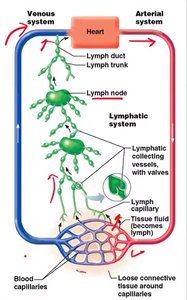
Lymphoid Organs
Major Lymphoid Organs and Their Functions
Lymphoid organs are specialized structures that produce, store, and activate immune cells. They are distributed throughout the body and play distinct roles in immunity.
Tonsils: Located in the pharyngeal region; trap pathogens entering through the mouth or nose.
Thymus: Located in the thorax; site of T cell maturation, most active during youth.
Red bone marrow: Produces all blood cells, including lymphocytes.
Spleen: Curves around the left side of the stomach; filters blood, removes old red blood cells, and activates immune responses.
Peyer's patches: Found in the intestine; monitor intestinal bacteria and prevent growth of pathogens.
Appendix: Contains lymphoid tissue; may play a role in gut immunity.
Example: The spleen filters blood and helps mount immune responses to blood-borne pathogens. 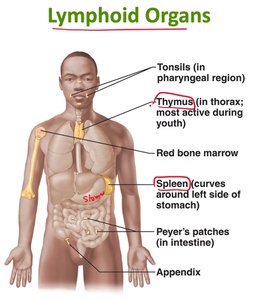
Immunity: Humoral and Cellular
Types of Immune Responses
The immune system protects the body through two main types of responses: humoral and cellular immunity.
Humoral immunity: Mediated by B cells, which produce antibodies that neutralize pathogens in body fluids.
Cellular immunity: Mediated by T cells, which directly attack infected or abnormal cells.
Example: B cells produce antibodies against viruses, while T cells destroy virus-infected cells. 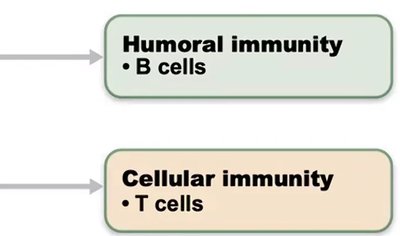
Surface Barriers and Innate Defense
Physical and Chemical Barriers
The first line of defense against pathogens consists of surface barriers, including skin and mucous membranes, which provide mechanical and chemical protection.
Intact skin epidermis: Prevents entry of pathogens and harmful substances.
Acid mantle of skin: Skin secretions make the surface acidic, inhibiting bacterial growth.
Keratin: Provides resistance against acids, alkalis, and bacterial enzymes.
Intact mucous membranes: Protect internal body surfaces; include nasal hairs, cilia, gastric juice, and vaginal acidity.
Lacrimal secretion (tears) and saliva: Contain lysozyme, an enzyme that destroys microorganisms.
Example: Tears and saliva help protect the eyes and mouth from infection by breaking down bacteria. 
Breach of Surface Barriers
When surface barriers are breached by nicks or cuts, the internal second line of defense is triggered, involving immune cells and inflammatory responses.
Second line of defense: Includes phagocytes, inflammation, antimicrobial proteins, and fever.
Example: A cut in the skin allows pathogens to enter, activating immune cells to fight infection. Additional info: The innate immune system provides rapid, non-specific defense, while the adaptive immune system (B and T cells) offers targeted, long-lasting protection.
