 Back
The Lymphatic System and Immunity: ANP College Study Guide
Study Guide - Smart Notes
 Tailored notes based on your materials, expanded with key definitions, examples, and context.
The Lymphatic System
Overview and Functions
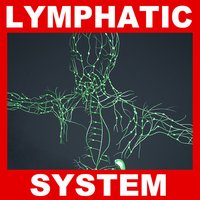
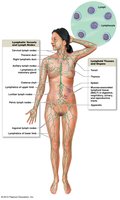
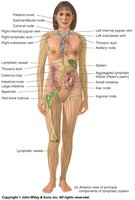
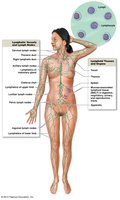
The lymphatic system is a vital component of the body's defense mechanisms, responsible for maintaining fluid balance, filtering pathogens, and supporting immune responses. It consists of lymph, lymphatic vessels, lymphoid tissues, and organs.
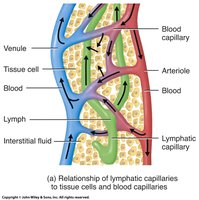
Lymph: A fluid similar to plasma, formed from interstitial fluid that leaks out of capillaries.
Lymphatic vessels: Carry lymph from peripheral tissues back to the venous system.
Lymph nodes: Bean-shaped organs that filter lymph and house lymphocytes.
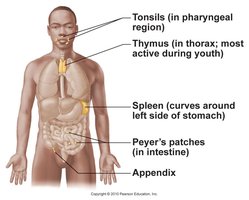
Lymphoid tissues and organs: Include tonsils, thymus, and spleen, which are sites of immune cell production and activity.
Lymphatic Vessels and Capillaries
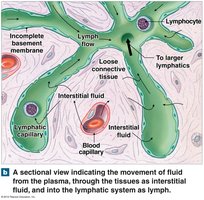
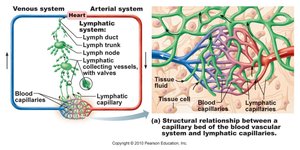
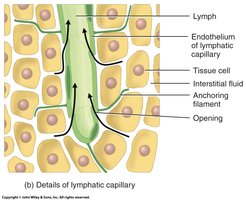
Lymphatic vessels are present in almost all tissues, returning excess tissue fluid, leaked proteins, and absorbed fats to the blood. Lymphatic capillaries are highly permeable, allowing entry of fluid, solutes, and microorganisms.
Structure: Overlapping endothelial cells form one-way valves, ensuring lymph flows from high to low pressure and cannot exit once inside.
Lacteals: Specialized lymphatic capillaries in the intestines that absorb dietary fats.
Lymphatic Flow and Major Ducts
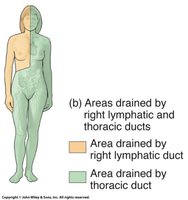
Lymph flows from capillaries to larger vessels, which contain one-way valves. The lymph is ultimately delivered to two major ducts:
Thoracic duct: Drains lymph from the left side of the body and areas inferior to the diaphragm, empties into the left subclavian vein.
Right lymphatic duct: Drains lymph from the right side superior to the diaphragm, empties into the right subclavian vein.
Lymphoid Cells
Types of Lymphocytes
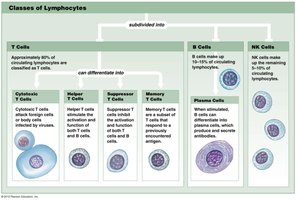
Lymphocytes are the main warriors of the immune system, responding to antigens and providing both innate and adaptive immunity.
T cells (thymus-dependent): Include cytotoxic (CD8+), helper (CD4+), and suppressor T cells. Responsible for cell-mediated immunity.
B cells (bone marrow-derived): Produce plasma cells that secrete antibodies, responsible for humoral immunity.
NK cells (natural killer): Provide immunological surveillance, destroying abnormal cells.
Lymphoid Tissues and Organs
Lymphoid Tissues
Lymphoid tissues are connective tissues rich in lymphocytes, providing surveillance and immune response.
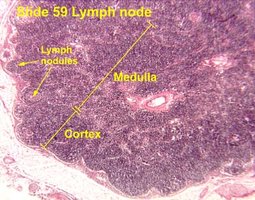
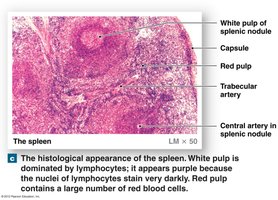
Lymphoid nodules: Dense clusters of lymphocytes found in lymph nodes and spleen.
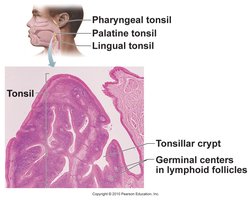
Tonsils: Trap and destroy bacteria, providing immunological memory.
MALT (Mucosa-Associated Lymphoid Tissue): Protects epithelia of digestive, urinary, and reproductive tracts.
Lymphoid Organs
Lymph nodes: Filter lymph, house macrophages and lymphocytes, and activate immune responses.
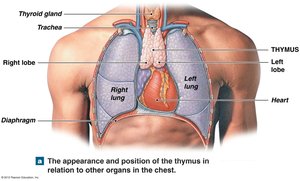
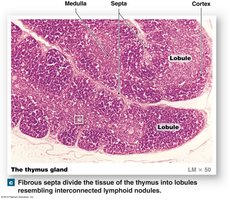
Thymus: Site of T cell maturation, protected by blood-thymus barrier, shrinks after puberty.
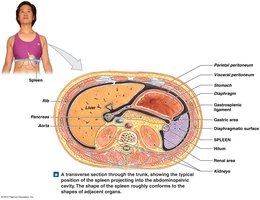
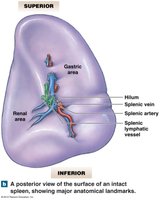
Spleen: Largest lymphoid organ, filters blood, removes old RBCs, stores platelets, and initiates immune responses.
Immunity
Types of Immunity
Immunity is the ability to resist infection and disease, provided by cells, tissues, and organs of the lymphatic system.
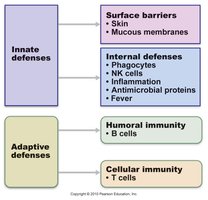
Innate (nonspecific) immunity: Present at birth, includes barriers, phagocytes, and other defenses.
Adaptive (specific) immunity: Develops after exposure, involves B and T cells targeting specific antigens.
Body Defenses
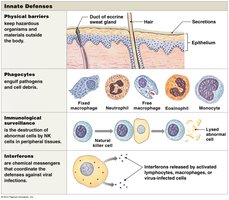
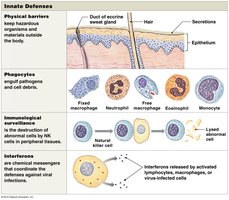
Physical barriers: Skin, mucous membranes, and secretions prevent entry of pathogens.
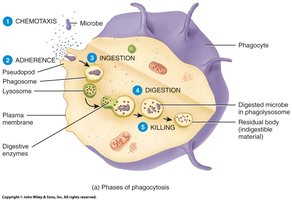
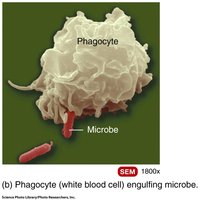
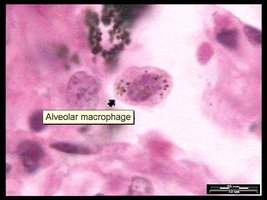
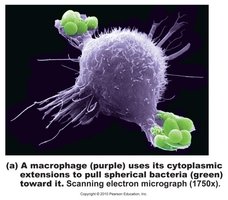
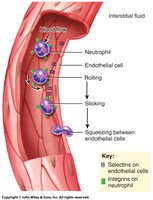
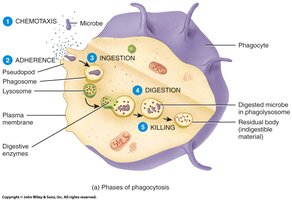
Phagocytes: Neutrophils and macrophages remove debris and pathogens.
NK cells: Destroy abnormal cells before adaptive immunity is activated.
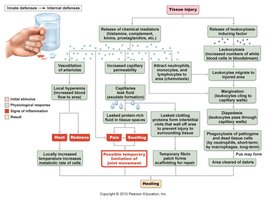
Inflammation: Local response to tissue damage, characterized by redness, heat, swelling, and pain.
Fever: Systemic response to infection, increases metabolic rate and speeds up defenses.
NK Cells: Mechanism of Action
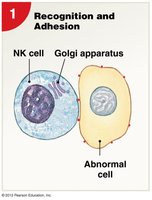
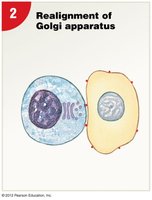
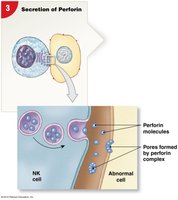
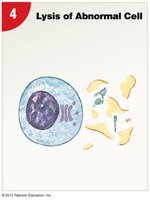
NK cells destroy abnormal cells by releasing perforins, which create pores in the target cell membrane, leading to cell lysis.
Recognition and adhesion
Realignment of Golgi apparatus
Secretion of perforin
Lysis of abnormal cell
Inflammation and Fever
Inflammation: Walls off wounds, eliminates debris, and prepares for repair. Mediated by mast cells, histamine, and prostaglandins.
Fever: Elevated body temperature due to pyrogens, enhances immune response but can be dangerous if too high.

Adaptive (Specific) Immunity
Properties and Types
Adaptive immunity targets specific pathogens, requires prior exposure, and has memory.
Tolerance: Immune system ignores self-antigens.
Specificity: T and B cells respond only to specific antigens.
Versatility: Many populations of lymphocytes with different receptors.
Immunologic memory: Faster response upon second exposure.

Antigen Presentation and Recognition
MHC proteins: Glycoproteins on cell surfaces, present antigen fragments to T cells.
Class I MHC: All nucleated cells, present to CD8+ T cells.
Class II MHC: Antigen-presenting cells, present to CD4+ T cells.
T Cell Activation
CD8+ T cells: Recognize Class I MHC, become cytotoxic, memory, or suppressor T cells.
CD4+ T cells: Recognize Class II MHC, become helper or memory T cells, stimulate B cells and macrophages.
B Cell Activation and Antibody Production
B cells are responsible for antibody-mediated immunity. Upon activation, they differentiate into plasma cells (secrete antibodies) and memory B cells.
Antibodies (Immunoglobulins): IgM, IgA, IgG, IgE, IgD, each with specific functions.
Primary and Secondary Immune Responses
Primary response: First exposure, slow antibody production (IgM first, then IgG).
Secondary response: Faster and stronger due to memory cells, basis for immunization.
Allergies and Anaphylaxis
Allergies: Excessive immune response to harmless antigens (allergens), large amounts of IgE produced.
Anaphylaxis: Severe, systemic allergic reaction, can cause shock and requires immediate treatment (epinephrine).
Summary Table: Classes of Lymphocytes
T Cells | B Cells | NK Cells |
|---|---|---|
Cytotoxic, Helper, Suppressor, Memory | Plasma, Memory | Immunological surveillance |
Cell-mediated immunity | Humoral immunity | Non-specific defense |
Summary Table: Types of Immunity
Innate Immunity | Adaptive Immunity |
|---|---|
Present at birth, non-specific, includes barriers, phagocytes, NK cells, inflammation, fever | Develops after exposure, specific, includes B and T cells, memory, tolerance |
Key Equations and Concepts
Antibody titer: Measurement of antibody concentration in blood.
Pressure gradient in lymphatic flow:
Immunologic memory:
Conclusion
The lymphatic system and immunity are essential for maintaining health, defending against pathogens, and providing long-term protection through adaptive responses. Understanding these mechanisms is crucial for ANP college students preparing for exams and clinical practice.
