 Back
BackThe Lymphatic System: Structure, Function, and Key Organs
Study Guide - Smart Notes
 Tailored notes based on your materials, expanded with key definitions, examples, and context.
The Lymphatic System
Overview of the Lymphatic System
The lymphatic system is a network of thin tubes (lymphatic vessels) and lymph nodes that run throughout the body. It is a crucial component of the immune system, responsible for defending the body against infections and removing abnormal cells.
Lymphatic vessels are similar to blood vessels but are finer and carry a colorless fluid called lymph.
Lymph contains a high concentration of lymphocytes, a type of white blood cell that fights infection and destroys damaged or abnormal cells.
The lymphatic system also includes organs such as the spleen, thymus, tonsils, and adenoids.
Functions of the Lymphatic System
Immune defense: Fights bacteria, viruses, and other pathogens.
Removal of abnormal cells: Destroys old or abnormal cells, including cancer cells.
Fluid balance: Returns excess tissue fluid to the bloodstream, maintaining fluid balance in the body.
Mechanisms of Lymphatic Circulation
Formation and Flow of Lymph
The lymphatic system closely parallels the blood circulation system, with lymphatic vessels branching throughout the body. The process of lymph formation and flow involves several steps:
As blood circulates, fluid leaks from blood vessels into body tissues, forming tissue fluid that nourishes cells and collects waste products, bacteria, and damaged cells.
This fluid drains into lymphatic capillaries, becoming lymph.
Lymph flows through lymphatic vessels and is filtered by lymph nodes before returning to the bloodstream via the thoracic duct.
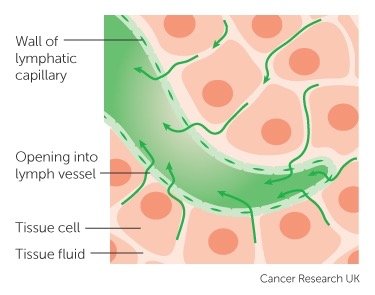
Key Point: Lymphatic capillaries have thin walls that allow tissue fluid to enter easily, ensuring efficient drainage of excess fluid and waste from tissues.
Lymph Nodes and Filtration
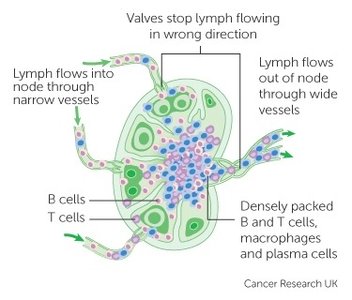
Lymph nodes are small, bean-shaped structures located throughout the body, including the armpits, groin, neck, abdomen, pelvis, and chest. They play a vital role in filtering lymph and mounting immune responses.
Lymph flows into nodes through narrow vessels and exits through wider vessels.
Nodes contain densely packed B cells, T cells, macrophages, and plasma cells that attack pathogens and abnormal cells.
Valves within nodes prevent backflow of lymph.
Swollen lymph nodes (lymphadenopathy) are commonly caused by infection but can also result from cancer.
Example: When cancer cells break away from a tumor, they may become trapped in nearby lymph nodes, which is important in cancer staging and treatment.
Organs of the Lymphatic System
The Spleen
The spleen is located under the ribs on the left side of the body and contains two main types of tissue:
Red pulp: Filters and recycles worn-out red blood cells.
White pulp: Contains B and T lymphocytes that detect and respond to infections.
As blood passes through the spleen, immune cells identify and combat pathogens or signs of illness.
The Thymus
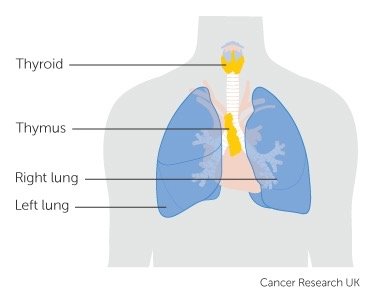
The thymus is a small gland located under the breastbone, above the heart. It is most active during childhood and adolescence, gradually shrinking in adulthood.
The thymus is essential for the development and maturation of T lymphocytes (T cells), which are critical for adaptive immunity.
Tonsils and Adenoids
Tonsils are two glands at the back of the throat, while adenoids (also called nasopharyngeal tonsils) are located at the back of the nasal cavity. Both structures help protect the entrance to the digestive and respiratory systems from pathogens.
Tonsils and adenoids contain immune cells that trap and destroy bacteria and viruses entering through the mouth and nose.
Summary Table: Key Components of the Lymphatic System
Component | Location | Main Function |
|---|---|---|
Lymphatic vessels | Throughout body | Transport lymph fluid |
Lymph nodes | Armpits, groin, neck, chest, abdomen | Filter lymph, immune response |
Spleen | Left upper abdomen | Filter blood, immune surveillance |
Thymus | Above heart, behind sternum | T cell maturation |
Tonsils/Adenoids | Throat, nasal cavity | Protect entry to digestive/respiratory tracts |
Key Terms and Definitions
Lymphocyte: A type of white blood cell involved in immune responses.
Lymphadenopathy: Swelling of lymph nodes, often due to infection or cancer.
Thoracic duct: The main lymphatic vessel that drains lymph into the bloodstream.
Additional info: The lymphatic system also plays a role in the absorption of dietary fats from the digestive tract via specialized lymphatic vessels called lacteals.
