 Back
BackThe Male Reproductive System
Study Guide - Smart Notes
 Tailored notes based on your materials, expanded with key definitions, examples, and context.
The Reproductive System
Introduction
The reproductive system consists of organs and hormones responsible for producing, nurturing, and transporting sex cells. In humans, male sex cells are called sperm, while female sex cells are known as eggs or oocytes. The process of forming these cells involves a specialized type of cell division called meiosis, which ensures genetic diversity and the correct chromosome number in offspring.
Meiosis
Overview of Meiosis
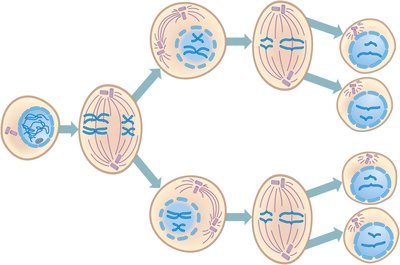
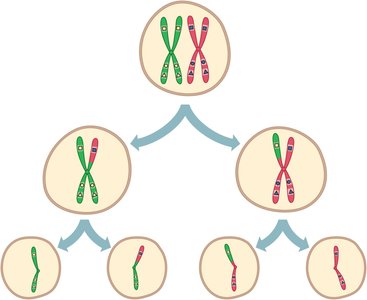
Meiosis is a two-part cell division process that reduces the chromosome number by half, producing four genetically unique haploid cells from one diploid cell. This process is essential for sexual reproduction and occurs in the gonads (testes in males, ovaries in females).
Meiosis I: Homologous chromosomes separate, resulting in two cells with half the chromosome number (but each chromosome still has two chromatids).
Meiosis II: Sister chromatids separate, producing four haploid cells, each with one chromatid per chromosome.
Phases of Meiosis I
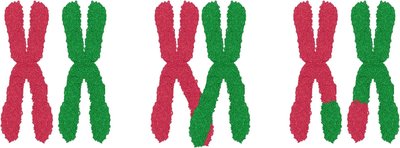
Prophase I: Homologous chromosomes pair up and exchange genetic material through crossing over, increasing genetic diversity.
Metaphase I: Paired homologous chromosomes align at the cell's equator.
Anaphase I: Homologous chromosomes are pulled to opposite poles.
Telophase I: Two new cells form, each with half the original chromosome number.
Phases of Meiosis II
Prophase II
Metaphase II
Anaphase II
Telophase II
Each of the two cells from Meiosis I divides again, separating sister chromatids and resulting in four haploid cells.
Genetic Variation in Meiosis
Genetic variation is introduced during meiosis by two main mechanisms:
Crossing Over: Homologous chromosomes exchange segments during Prophase I, creating new combinations of genes.
Independent Assortment: Chromosomes are distributed randomly into gametes, further increasing genetic diversity.
Organs of the Male Reproductive System
Overview
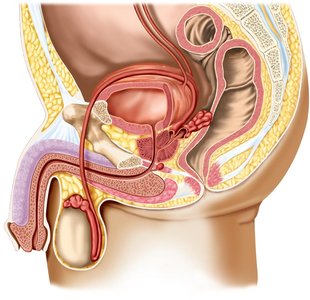
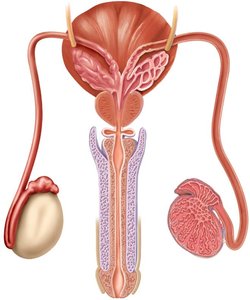
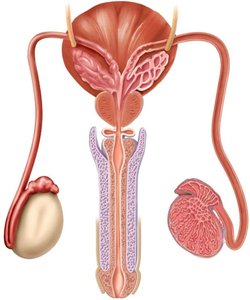
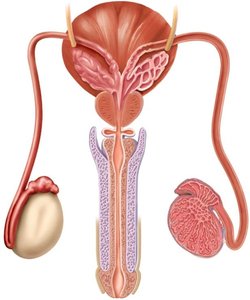
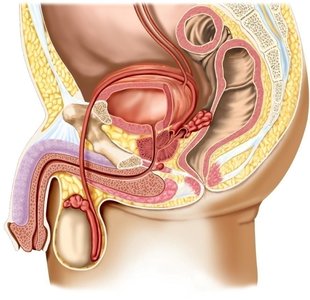
The male reproductive system includes both internal and external organs that produce, mature, and transport sperm, as well as secrete hormones necessary for reproduction.
Testes: Produce sperm and testosterone.
Epididymis: Site of sperm maturation.
Vas deferens: Transports sperm from the epididymis to the ejaculatory duct.
Seminal vesicles, prostate gland, bulbourethral glands: Produce seminal fluid components.
Penis and scrotum: External structures involved in copulation and temperature regulation.
Testes
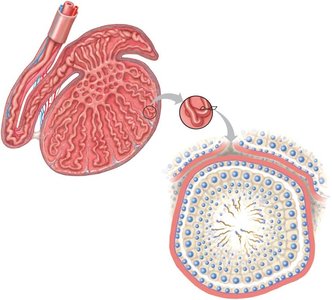
The testes are paired organs housed in the scrotum. They contain:
Seminiferous tubules: Site of sperm production (spermatogenesis).
Interstitial (Leydig) cells: Produce testosterone.
Spermatogenesis
Spermatogenesis is the process by which diploid stem cells in the seminiferous tubules develop into mature haploid sperm cells. The stages include:
Spermatogonia (stem cells)
Primary spermatocytes (enter meiosis I)
Secondary spermatocytes (after meiosis I)
Spermatids (after meiosis II)
Spermatozoa (mature sperm)
Structure of a Sperm Cell
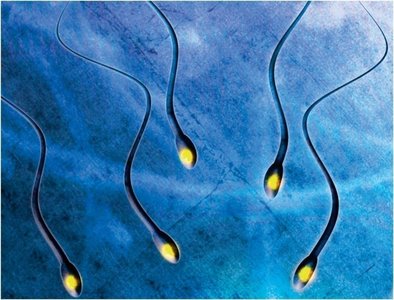
Head: Contains the nucleus and acrosome (enzymes for penetrating the egg).
Midpiece: Packed with mitochondria for energy.
Tail (flagellum): Provides motility.
Male Internal Accessory Organs
Epididymis
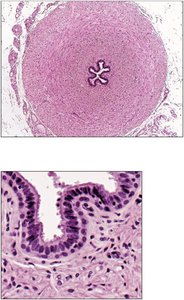
The epididymis is a coiled tube where sperm mature and are stored.
Vas Deferens (Ductus Deferens)
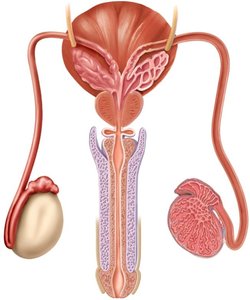
The vas deferens transports sperm from the epididymis to the ejaculatory duct during ejaculation.
Seminal Vesicles
Seminal vesicles secrete an alkaline, fructose-rich fluid that nourishes sperm and forms most of the semen volume.
Prostate Gland
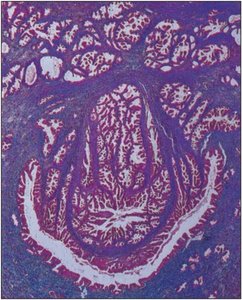
The prostate gland produces a slightly acidic fluid that enhances sperm motility and viability.
Bulbourethral Glands
Bulbourethral glands secrete a mucus-like fluid that lubricates the urethra and neutralizes traces of acidic urine.
Male External Reproductive Organs
Scrotum
The scrotum is a pouch of skin and subcutaneous tissue that houses the testes and regulates their temperature for optimal sperm production.
Penis
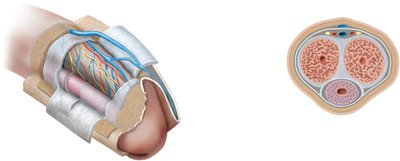
The penis is the organ of copulation and also serves as the conduit for urine and semen. It contains erectile tissues:
Corpus spongiosum: Surrounds the urethra and maintains its patency during erection.
Corpora cavernosa: Paired erectile tissues that fill with blood during erection.
Male Sex Hormones and Regulation
Hormonal Control
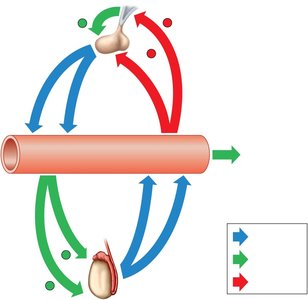
The male reproductive system is regulated by hormones from the hypothalamus, anterior pituitary, and testes:
GnRH (Gonadotropin-releasing hormone): Released from the hypothalamus; stimulates the anterior pituitary to secrete FSH and LH.
FSH (Follicle-stimulating hormone): Stimulates spermatogenesis and inhibin secretion.
LH (Luteinizing hormone): Stimulates interstitial cells to produce testosterone.
Testosterone: Promotes development of male secondary sexual characteristics and supports spermatogenesis.
Inhibin: Inhibits FSH secretion to regulate sperm production.
Feedback Regulation
Testosterone and inhibin provide negative feedback to the hypothalamus and pituitary to prevent overproduction of sperm and hormones, maintaining homeostasis.
Semen
Composition and Function
Semen is the fluid expelled during ejaculation, consisting of sperm and secretions from the seminal vesicles, prostate gland, and bulbourethral glands. It provides nutrients, protection, and a medium for sperm transport.
Summary Table: Male Reproductive Organs and Functions
Organ | Main Function |
|---|---|
Testes | Produce sperm and testosterone |
Epididymis | Sperm maturation and storage |
Vas deferens | Transports sperm to ejaculatory duct |
Seminal vesicles | Secrete fructose-rich, alkaline fluid |
Prostate gland | Secretes fluid to enhance sperm motility |
Bulbourethral glands | Secrete mucus-like lubricating fluid |
Penis | Copulation and semen/urine transport |
Scrotum | Testicular temperature regulation |
Key Terms and Concepts
Meiosis: Cell division producing haploid gametes
Spermatogenesis: Formation of sperm cells
Testosterone: Main male sex hormone
Seminiferous tubules: Site of sperm production
Negative feedback: Hormonal regulation mechanism
Additional info: The notes above expand on the original content by providing definitions, context, and a summary table for clarity and completeness. All images included are directly relevant to the adjacent explanations and reinforce the anatomical and physiological concepts discussed.
