 Back
The Reproductive System: Structure, Function, and Regulation
Study Guide - Smart Notes
 Tailored notes based on your materials, expanded with key definitions, examples, and context.
The Reproductive System
Overview
The reproductive system is responsible for producing, maturing, and delivering gametes (sperm and oocytes), as well as supporting fertilization, gestation, and the development of new individuals. Both male and female systems are regulated by complex hormonal interactions and exhibit specialized anatomical structures.
Sex Determination and Diversity
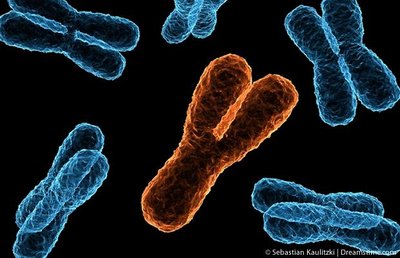
Sex as a Continuum
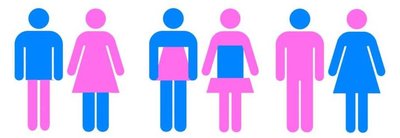
Sex is often described as binary (male or female), but biological sex exists on a continuum due to variations in chromosomes, hormones, and anatomy. While foundational physiology focuses on typical male and female structures, it is important to recognize the diversity present in human populations.
Hormonal Regulation of Reproduction
Key Hormones and Their Functions
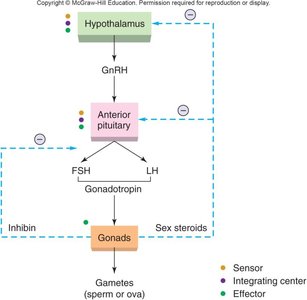
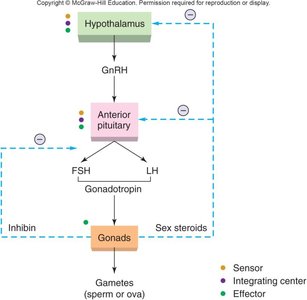
Gonadotropin-releasing hormone (GnRH): Produced by the hypothalamus, stimulates the anterior pituitary to release FSH and LH.
Follicle-stimulating hormone (FSH): Stimulates gamete production (spermatogenesis in males, folliculogenesis in females).
Luteinizing hormone (LH): Stimulates hormone production (testosterone in males, ovulation and corpus luteum formation in females).
Androgens (e.g., testosterone): Promote male secondary sexual characteristics and spermatogenesis.
Estrogens: Promote female secondary sexual characteristics, follicle maturation, and endometrial growth.
Progesterone: Prepares the uterus for implantation and maintains pregnancy.
Inhibin: Inhibits FSH release, providing negative feedback.
Male Reproductive System
Anatomy and Functions
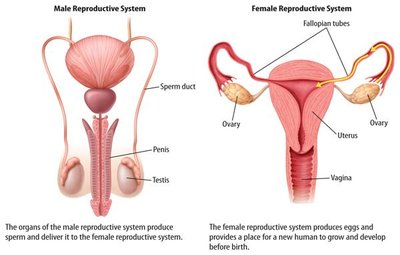
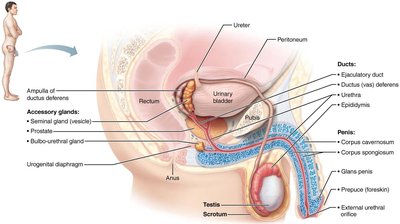
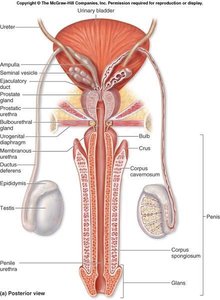
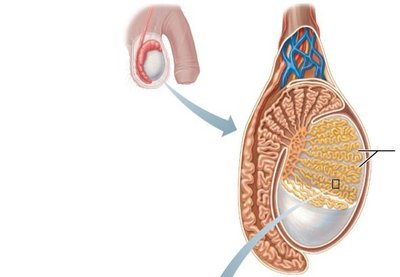
Testes: Site of spermatogenesis and testosterone production; housed in the scrotum for temperature regulation.
Epididymis: Sperm maturation and storage.
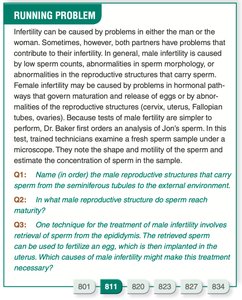
Vas (ductus) deferens: Transports sperm from the epididymis to the ejaculatory duct.
Accessory glands: Seminal vesicles, prostate gland, and bulbourethral glands produce seminal fluid that nourishes and protects sperm.
Penis: Organ for sperm delivery.
Sperm Pathway
Seminiferous tubules (testes)
Epididymis
Vas deferens
Ejaculatory duct
Urethra
External urethral orifice
Spermatogenesis
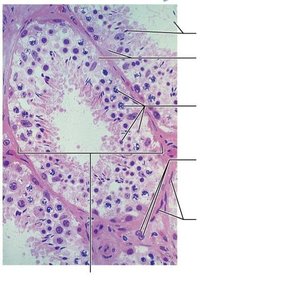
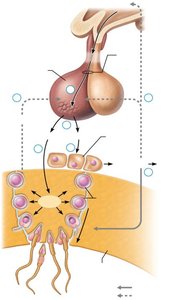
Spermatogenesis is the process of sperm production in the seminiferous tubules, involving mitosis, meiosis, and maturation. Sertoli (sustentacular) cells support developing sperm, while Leydig (interstitial) cells produce testosterone.
Hormonal Regulation in Males
GnRH from the hypothalamus stimulates FSH and LH release from the anterior pituitary.
FSH acts on Sertoli cells to promote spermatogenesis.
LH stimulates Leydig cells to produce testosterone.
Testosterone and inhibin provide negative feedback to the hypothalamus and pituitary.
Female Reproductive System
Anatomy and Functions
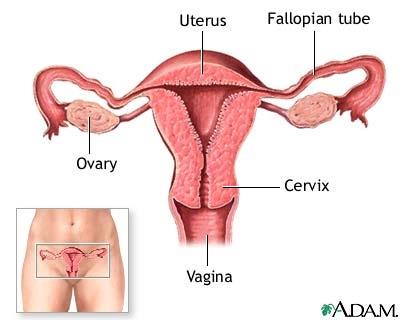
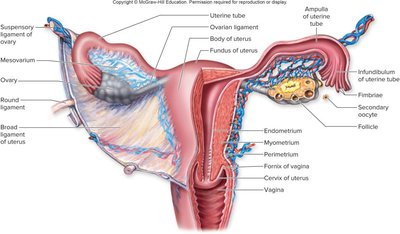
Ovaries: Produce oocytes and secrete estrogen and progesterone.
Uterine (fallopian) tubes: Site of fertilization; transport oocyte to uterus.
Uterus: Muscular organ where embryo implants and develops; inner lining is the endometrium.
Vagina: Receives semen and serves as the birth canal.
Oogenesis and Folliculogenesis
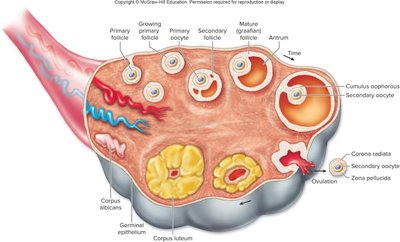
Oogenesis is the process of oocyte development, while folliculogenesis refers to the maturation of ovarian follicles. Primary oocytes are arrested in meiosis until puberty, when FSH stimulates follicle growth. LH triggers ovulation, releasing the secondary oocyte.
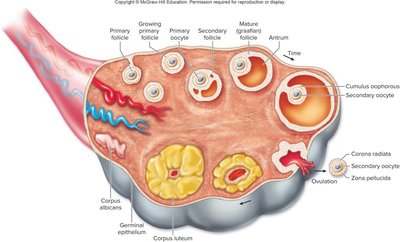
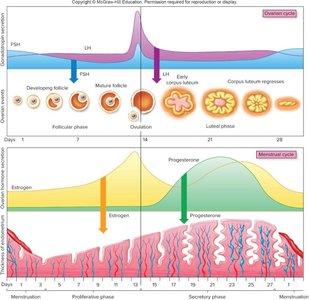
Ovarian and Uterine (Menstrual) Cycles
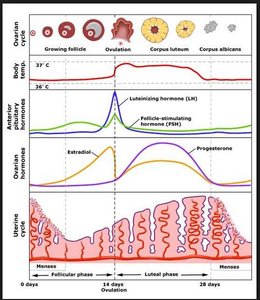
Ovarian cycle: Follicular phase (follicle growth), ovulation (oocyte release), luteal phase (corpus luteum activity).
Uterine cycle: Menstrual phase (shedding endometrium), proliferative phase (endometrial regrowth), secretory phase (preparation for implantation).
Hormonal Regulation in Females
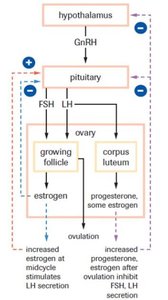
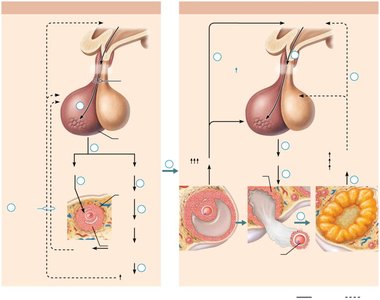
GnRH stimulates FSH and LH release from the anterior pituitary.
FSH promotes follicle growth and estrogen production.
Estrogen triggers the LH surge, causing ovulation.
Corpus luteum produces progesterone and estrogen, which inhibit further FSH and LH release (negative feedback).
Fertilization and Gestation
Key Events
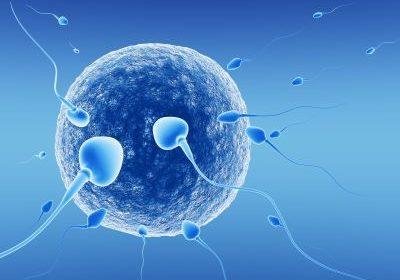
Fertilization: Sperm meets oocyte, forming a zygote.
Gestation: Zygote develops into an embryo (2-8 weeks), then a fetus (9 weeks to birth).
Comparison of Male and Female Gametogenesis
Key Differences
Spermatogenesis: Continuous, produces millions of sperm daily from puberty onward.
Oogenesis: Cyclical, produces one mature oocyte per cycle; most oocytes are formed before birth and decline with age.
Regulation: Both processes are regulated by the hypothalamic-pituitary-gonadal axis, but the timing and feedback mechanisms differ.
Infertility: Clinical Considerations
Causes and Diagnosis
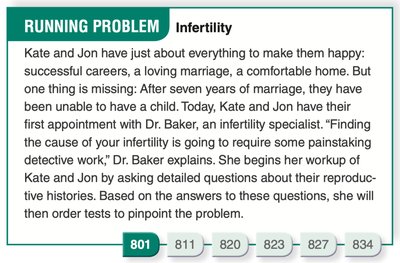
Male infertility: Often due to low sperm count, abnormal sperm morphology, or ductal blockages.
Female infertility: May result from hormonal imbalances, ovulatory disorders, or structural abnormalities.
Diagnosis involves reproductive history, hormone assays, and analysis of gametes.
Tracking Ovulation and Menstrual Disorders
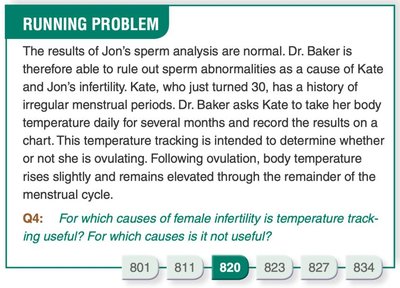
Basal body temperature tracking can help determine if ovulation is occurring.
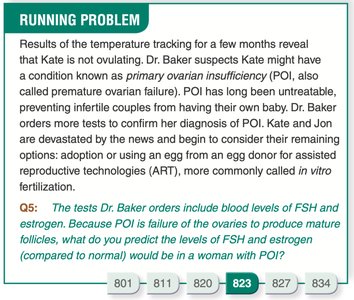
Irregular cycles may indicate ovulatory dysfunction or primary ovarian insufficiency (POI).
Summary Table: Key Hormones in Reproductive Regulation
Hormone | Source | Main Target(s) | Main Effects |
|---|---|---|---|
GnRH | Hypothalamus | Anterior pituitary | Stimulates FSH and LH release |
FSH | Anterior pituitary | Gonads (Sertoli cells, ovarian follicles) | Stimulates gamete production and follicle maturation |
LH | Anterior pituitary | Gonads (Leydig cells, ovarian follicles) | Stimulates hormone production, ovulation, corpus luteum formation |
Testosterone | Leydig cells (testes) | Various tissues | Promotes spermatogenesis, secondary sex characteristics |
Estrogen | Ovarian follicles, corpus luteum | Uterus, pituitary, hypothalamus | Promotes endometrial growth, secondary sex characteristics, feedback regulation |
Progesterone | Corpus luteum | Uterus, pituitary, hypothalamus | Prepares endometrium for implantation, maintains pregnancy, feedback regulation |
Inhibin | Sertoli cells, granulosa cells | Anterior pituitary | Inhibits FSH release |
