 Back
BackThe Reproductive System: Structure, Function, and Meiosis
Study Guide - Smart Notes
 Tailored notes based on your materials, expanded with key definitions, examples, and context.
Introduction to the Reproductive System
Overview and Importance
The reproductive system consists of organs in males and females that work together to produce offspring. It is not essential for individual survival but plays a critical role in species continuation and influences adolescent development and adult life.
Primary Functions:
Form gametes (sperm and ova)
Bring gametes together during copulation
Combine genetic information of parents
Support development and nourishment of offspring
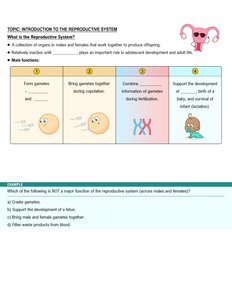
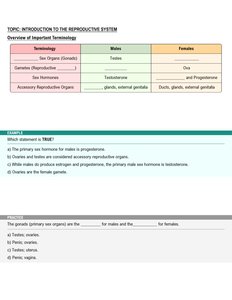
Key Terminology
Terminology | Males | Females |
|---|---|---|
Sex Organs (Gonads) | Testes | Ovaries |
Gametes (Reproductive Cells) | Sperm | Ova |
Sex Hormones | Testosterone | Estrogen and Progesterone |
Accessory Reproductive Organs | Ducts, glands, external genitalia | Ducts, glands, external genitalia |
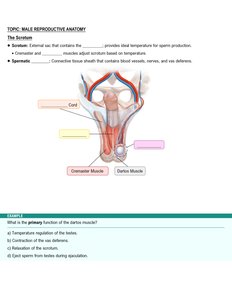
Male Reproductive Anatomy
The Scrotum
The scrotum is an external sac that contains the testes and provides an ideal temperature for sperm production. The cremaster and dartos muscles adjust the scrotum's position based on temperature, while the spermatic cord contains blood vessels, nerves, and vas deferens.
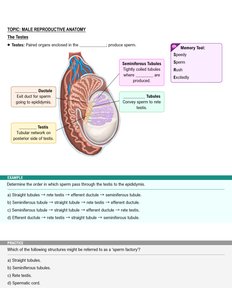
The Testes
The testes are paired organs that produce sperm. They contain tightly coiled seminiferous tubules (the site of sperm production, also called 'sperm factories'). Sperm exit the testes via a network of ducts.
Sperm Pathway: Seminiferous tubules → straight tubule → rete testis → efferent ductule → epididymis
The Duct System
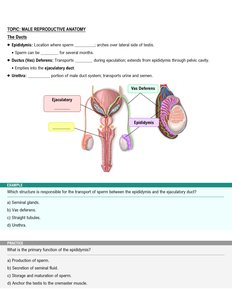
The male duct system transports sperm from the testes to the exterior. It includes:
Epididymis: Site of sperm maturation and storage
Vas (ductus) deferens: Transports sperm during ejaculation
Ejaculatory duct: Receives sperm from vas deferens and seminal fluid from seminal vesicles
Urethra: Transports urine and semen out of the body
Accessory Glands
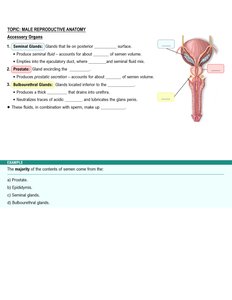
Accessory glands produce seminal fluid that supports and nourishes sperm:
Seminal glands (vesicles): Produce most of the seminal fluid
Prostate: Secretes fluid that activates sperm
Bulbourethral glands: Produce mucus for lubrication
The Penis
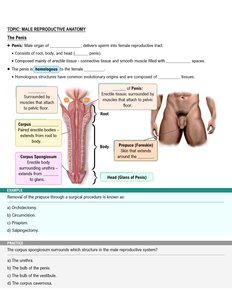
The penis is the male organ of copulation, delivering sperm into the female reproductive tract. It consists of erectile tissue (corpora cavernosa and corpus spongiosum) and is homologous to the female clitoris.
Female Reproductive Anatomy
The Ovaries
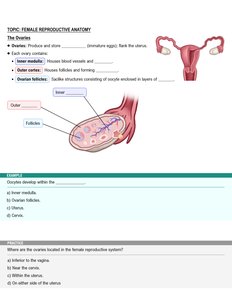
The ovaries produce and store ova (eggs) and secrete hormones. Each ovary contains an outer cortex (with follicles) and an inner medulla (with blood vessels and nerves).
The Uterine (Fallopian) Tubes
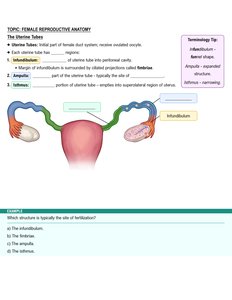
The uterine tubes receive ovulated oocytes and are the typical site of fertilization. They have three regions: infundibulum (with fimbriae), ampulla (site of fertilization), and isthmus.
The Uterus
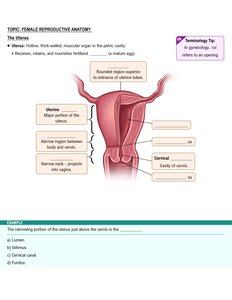
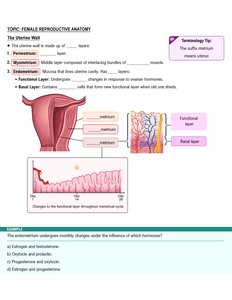
The uterus is a hollow, muscular organ where a fertilized egg implants and develops. It consists of the fundus, body, and cervix. The uterine wall has three layers: perimetrium (outer), myometrium (muscular), and endometrium (mucosal, site of implantation).
Vascular Supply and Support Structures
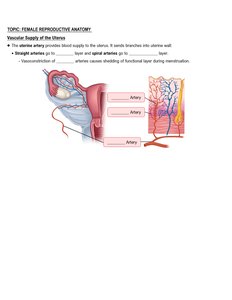
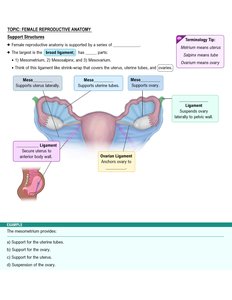
The uterus receives blood from the uterine artery, which branches into straight and spiral arteries. Support is provided by ligaments and the broad ligament, which anchors the uterus, ovaries, and uterine tubes.
The Vagina
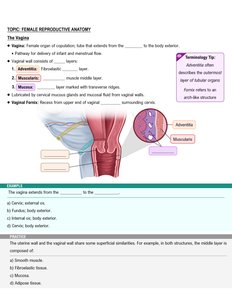
The vagina is the female organ of copulation and the birth canal. It extends from the cervix to the body exterior and consists of adventitia, muscularis, and mucosa layers.
External Genitalia (Vulva)
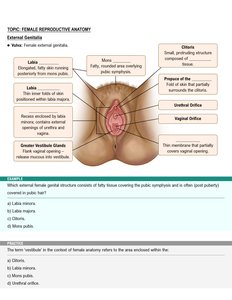
The vulva includes the mons pubis, labia majora, labia minora, clitoris, and vestibular glands. These structures protect the openings of the urethra and vagina.
Clitoral Anatomy
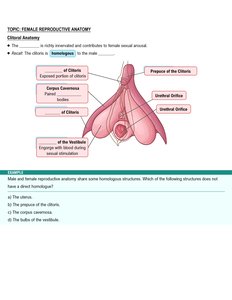
The clitoris is highly innervated and homologous to the male penis, contributing to female sexual arousal.
Mammary Glands
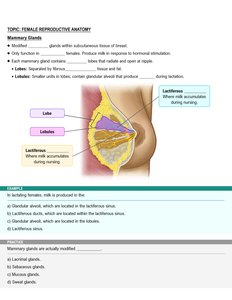
Mammary glands are modified sweat glands within the breast that produce milk in response to hormonal stimulation. Each gland contains lobes, lobules, and lactiferous ducts and sinuses.
Meiosis
Introduction to Meiosis
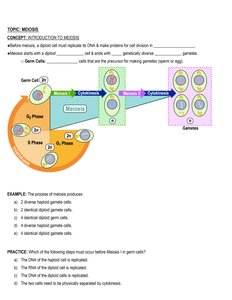
Meiosis is a specialized type of cell division that reduces the chromosome number by half, producing haploid gametes (sperm and ova) from diploid germ cells. This process ensures genetic diversity in offspring.
Phases of Meiosis
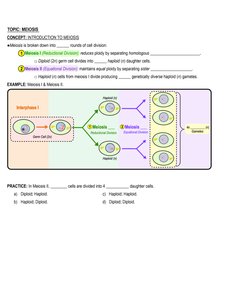
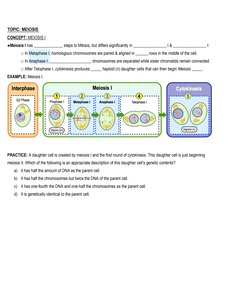
Meiosis I: Homologous chromosomes separate, producing two haploid cells
Meiosis II: Sister chromatids separate, resulting in four genetically unique haploid cells
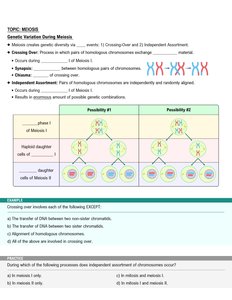
Genetic Variation During Meiosis
Genetic diversity is generated by two main mechanisms:
Crossing Over: Exchange of genetic material between homologous chromosomes during prophase I
Independent Assortment: Random distribution of maternal and paternal chromosomes to gametes
Summary Table: Male vs. Female Reproductive Structures
Structure | Male | Female |
|---|---|---|
Gonads | Testes | Ovaries |
Gametes | Sperm | Ova |
Primary Hormones | Testosterone | Estrogen, Progesterone |
External Genitalia | Penis, scrotum | Clitoris, labia, mons pubis |
Additional info: This summary table is inferred from the terminology and anatomical content provided in the notes.
