 Back
BackExponents and Polynomials: Rules and Applications
Study Guide - Smart Notes
 Tailored notes based on your materials, expanded with key definitions, examples, and context.
Exponents and Polynomials
The Quotient Rule for Exponents
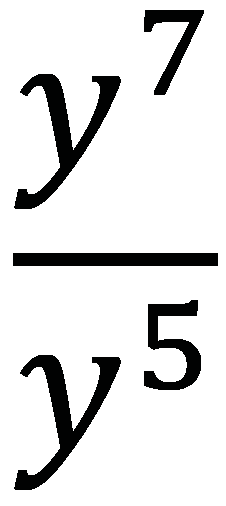
The Quotient Rule for exponents is used when dividing exponential expressions with the same base. According to this rule, you subtract the exponent in the denominator from the exponent in the numerator.
Definition: For any nonzero number a and integers m and n,
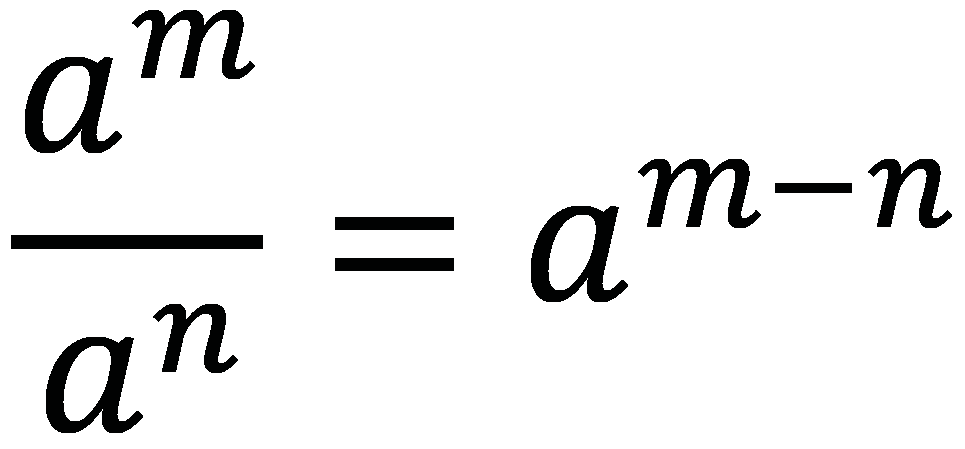
Key Point: The bases must be the same to apply this rule.
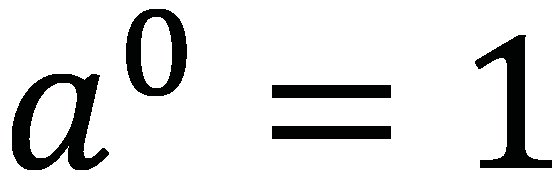
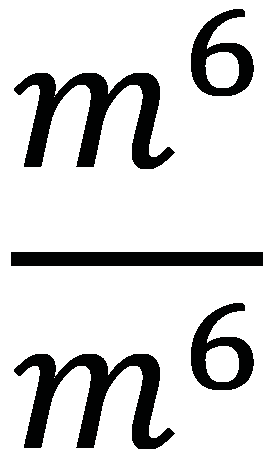
Zero Exponent Rule: Any nonzero number raised to the zero power is 1:
Example 1:
Example 2:
Example 3:
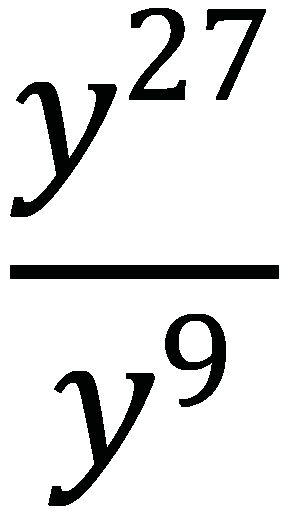
Example 4:
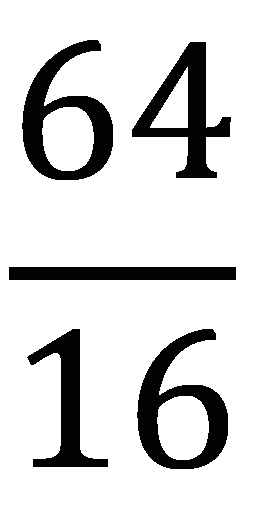
Example 5:
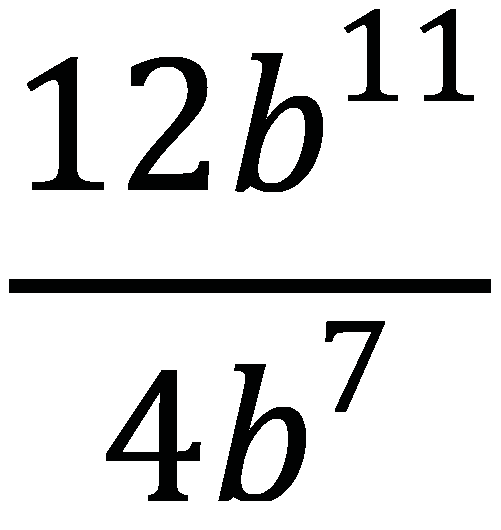
Example 6:
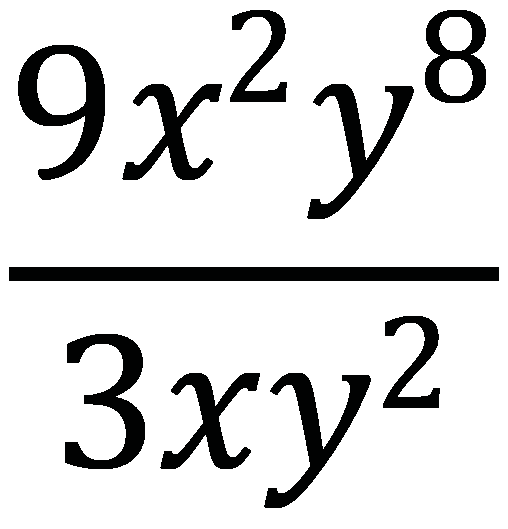
Example 7:
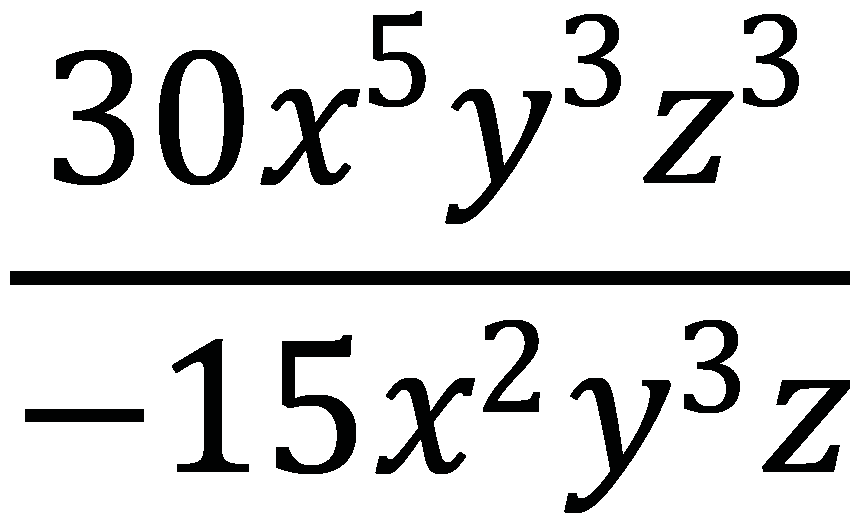
Example 8: , then
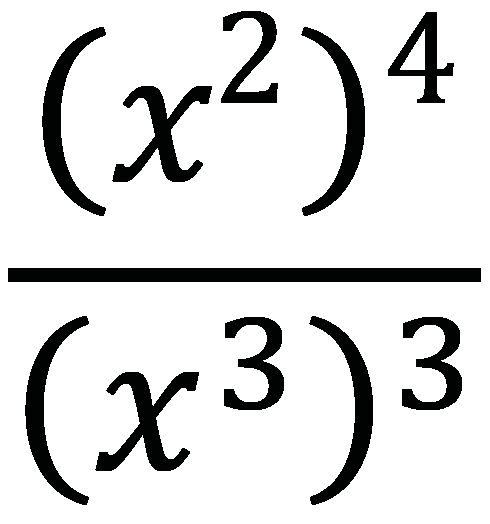
Example 9:
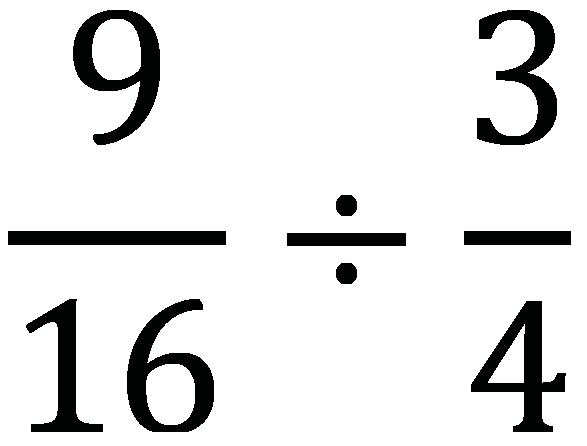
Example 10:
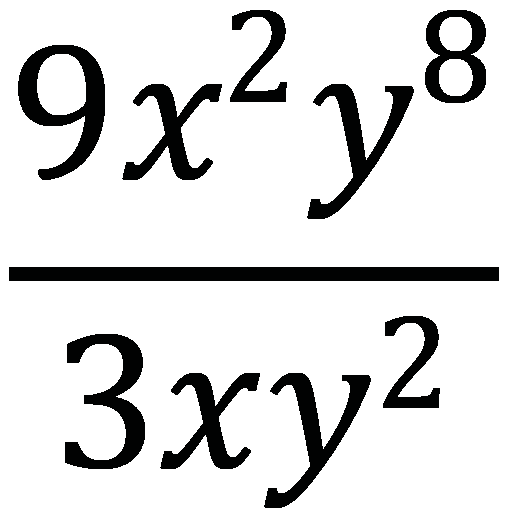
Example 11:
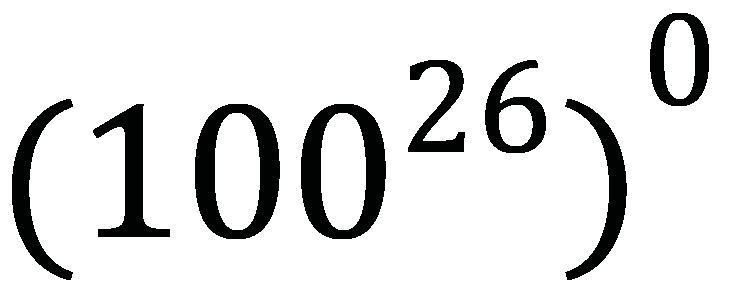
Example 12: (expression for practice)
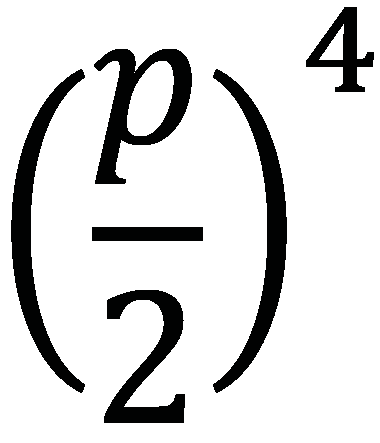
Example 13: (expression for practice)
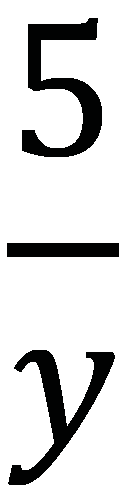
Summary Table: Exponent Rules
Name | Rule | Description |
|---|---|---|
Product Rule | Multiply terms with the same base: add exponents | |
Quotient Rule | Divide terms with the same base: subtract exponents | |
Zero Exponent Rule | Any nonzero base to the zero power is 1 | |
Power Rule | Raise a power to a power: multiply exponents | |
Power of a Product | Distribute exponent to each factor in parentheses | |
Power of a Quotient | Distribute exponent to numerator and denominator | |
Negative Exponent Rule | Negative exponent means reciprocal |
