Back
BackBohr Effect quiz #1
You can tap to flip the card.
Control buttons has been changed to "navigation" mode.
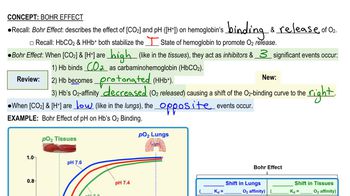
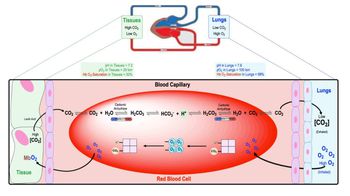
1/10Bohr Effect
8. Protein Function
7 problems
Topic
BPG Regulation of Hemoglobin
8. Protein Function
7 problems
Topic
8. Protein Function - Part 1 of 5
5 topics 14 problems
Chapter
8. Protein Function - Part 2 of 5
5 topics 13 problems
Chapter
8. Protein Function - Part 3 of 5
5 topics 13 problems
Chapter
8. Protein Function - Part 4 of 5
5 topics 13 problems
Chapter
8. Protein Function - Part 5 of 5
5 topics 13 problems
Chapter
 06:10
06:10