 Back
BackAdaptive Immunity definitions

 04:06
04:06
Terms in this set (13)
Adaptive Immune System
A system of immune cells that recognizes and remembers specific pathogens, producing targeted responses through B and T cells, and includes memory for faster future responses.
Antigen Receptors
Proteins on B and T cells that specifically bind to antigens, initiating an immune response. B cell versions resemble antibodies, while T cell versions bind to antigens presented by other cells.
Antibodies
Y-shaped proteins produced by B cells that specifically bind to antigens, neutralizing pathogens or marking them for destruction by other immune cells.
Epitopes
Regions on an antigen that are specifically recognized and bound by antibodies or antigen receptors on B and T cells, enabling the immune system to target and respond to pathogens.
T Cells
Specialized immune cells that mature in the thymus, recognize antigens presented by other cells, and are crucial for cell-mediated immunity, including killing infected cells and activating other immune cells.
Lymphocytes
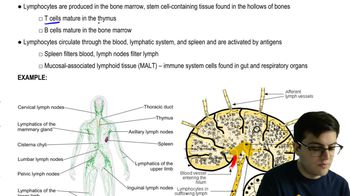
Cells of the adaptive immune system that include B cells, T cells, and natural killer cells, which are crucial for specific pathogen recognition and immune memory.
Bone Marrow
A spongy tissue inside bones that produces blood cells, including red blood cells, white blood cells, and platelets, and is crucial for the immune system and overall hematopoiesis.
Spleen
An organ that filters blood, removes damaged red blood cells, and houses lymphocytes to help fight infections.
Mucosal Associated Lymphoid Tissue (Malt)
Immune cells in the gut and respiratory tract that capture and respond to pathogens, playing a crucial role in the body's defense by recognizing and eliminating invaders in mucosal areas.
Major Histocompatibility Complex (MHC)
Cell surface proteins that present antigens to T cells, enabling the immune system to distinguish between self and non-self, crucial for adaptive immunity and organ transplant compatibility.
Plasma Cells
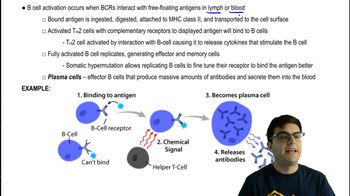
Effector B cells that produce and secrete large amounts of antibodies to help fight infections.
Opsonization
The process where antibodies bind to pathogens, marking them for easier identification and ingestion by phagocytes like macrophages and neutrophils.
Agglutination
The clumping of particles, such as bacteria or red blood cells, due to the binding of antibodies, which enhances their removal by the immune system.