 Back
BackGeneral Biology Final Exam Study Guide
 02:13
02:13
Terms in this set (23)
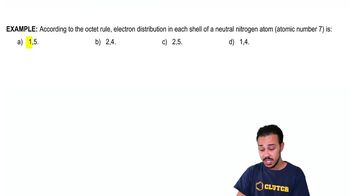
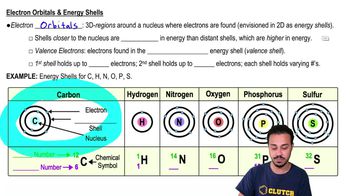
Protons and neutrons are located in the nucleus; electrons orbit the nucleus in electron shells.
The atomic number is the number of protons in the nucleus of an atom.
The atomic mass is the sum of the number of protons and neutrons in the nucleus.
pH is the negative logarithm of hydrogen ion concentration: \(pH = -\log[H^+]\).
Functional groups include hydroxyl, carbonyl, carboxyl, amino, phosphate, and methyl groups, each with distinct structures and properties.
Monosaccharides like glucose are the monomers of carbohydrates.
Lipids are not true polymers but are made of glycerol and fatty acids.
Amino acids are the monomers of proteins.
Nucleotides are the monomers of nucleic acids.
The cytoskeleton provides structural support, shape, and facilitates cell movement.
The rough ER synthesizes proteins; the smooth ER synthesizes lipids and detoxifies chemicals.
Lysosomes contain enzymes that digest macromolecules and recycle cellular components.
Mitochondria generate ATP through cellular respiration.
The nucleus stores genetic material and controls cellular activities.
Water moves from areas of low solute concentration to high solute concentration across a semipermeable membrane by osmosis.
Stages: Glycolysis, Citric Acid Cycle, and Electron Transport Chain; inputs and outputs vary per stage.
Includes the light reactions (in thylakoid membranes) and the Calvin cycle (in stroma).
Chromosome number and DNA content vary; meiosis reduces chromosome number by half to form gametes.
Homozygous: two identical alleles; heterozygous: two different alleles; phenotype: observable traits; genotype: genetic makeup; gene: DNA segment; allele: gene variant.
Ratios depend on dominance type: complete, incomplete, co-dominance, or sex linkage affect offspring traits.
DNA is a double helix with antiparallel strands and directionality from 5' to 3' ends.
DNA is transcribed into RNA in the 5' to 3' direction complementary to the template strand.
mRNA carries code; tRNA brings amino acids; ribosomes assemble proteins.