 Back
BackWeek 10 second lecture

 05:01
05:01
Terms in this set (20)
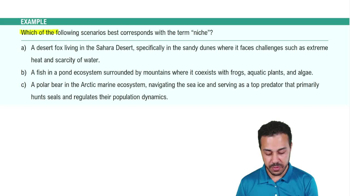
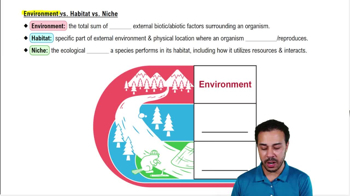
Ecology is the study of species interactions with their biotic and abiotic environment across scales from organisms to the biosphere.
Water sources vary by environment; understanding your local water source helps assess responsible water use, especially in drought-prone areas.
Oregon's energy use is about 41% electricity, 33% transportation, and 26% thermal energy.
Hydroelectric power (~39%) and coal (~35%) are the main electricity sources in Oregon, with growing contributions from wind and solar.
Using alternatives like biking to work or school reduces transportation energy use and lowers fossil fuel consumption.
Producing one pound of beef requires over 1,800 gallons of water, while one pound of chicken requires about 500 gallons.
Eating one local and organic meal per week per US citizen could reduce the country's oil consumption by 1.1 million barrels per week.
Seafood sustainability depends on stock size, catch rates, environmental impact of fishing methods, and bycatch levels.
Bycatch is the unintended capture of non-target species; shrimp trolling can produce 3 to 15 pounds of bycatch per pound of shrimp caught.
Turtle exclusion devices reduce turtle bycatch in shrimp fishing nets, protecting threatened turtle populations.
Seafood Watch rates seafood sustainability based on stock health, catch methods, and environmental impact, using green, yellow, and red ratings.
Genetic testing helps verify seafood species to prevent mislabeling and illegal sales, such as whale meat sold as fish.
Oregon Pink Shrimp are caught midwater with minimal habitat damage and low bycatch, making the fishery more sustainable.
Consumers should know if pets come from wild capture or captive breeding, especially for aquarium fish and exotic animals, to ensure ethical sourcing.
The aquarium-reef trade involves capturing and selling tropical marine species for home aquaria, with varying regulations depending on the country.
Exotic birds like the hyacinth macaw are expensive, highly regulated, and often involved in black market trade.
Students can volunteer or work with ecologists, especially during summer fieldwork, by contacting faculty or graduate students in relevant departments.
Departments such as zoology, botany, forestry, fisheries and wildlife, crop and soil sciences, and environmental sciences often have ecologists.
Dams generate hydroelectric power but can modify species habitats and interactions by altering natural water flow.
Transportation accounts for 33% of Oregon's energy use, slightly less than electricity at 41%, highlighting the importance of reducing transport energy.