 Back
BackL 8.2: Non-Vascular Plants (Bryophytes): Structure, Diversity, and Life Cycles
Study Guide - Smart Notes
 Tailored notes based on your materials, expanded with key definitions, examples, and context.
L 8.2
Non-Vascular Plants: Introduction and Evolutionary Context
Overview of Non-Vascular Plants
Non-vascular plants, also known as bryophytes, represent the earliest lineages of land plants. They lack specialized vascular tissues (xylem and phloem) and are primarily found in moist environments due to their reproductive requirements. Bryophytes are a paraphyletic group that includes three main phyla: Anthocerophyta (hornworts), Marchantiophyta (liverworts), and Bryophyta (mosses).
First land plants: Successfully colonized terrestrial habitats approximately 470–551 million years ago.
Habitat: Restricted to moist environments due to their reliance on water for fertilization.
Sexuality: Can be dioecious (separate male and female plants) or monoecious (both sexes on the same plant).

Evolutionary Relationships of Land Plants
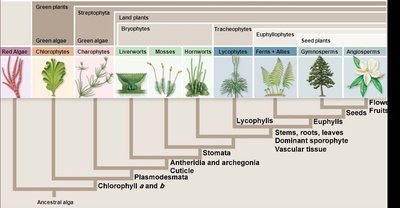
The evolutionary tree of land plants shows the transition from green algae to non-vascular plants and then to vascular plants. Key innovations such as cuticle, stomata, and multicellular gametangia enabled the colonization of land.
Alternation of Generations in Bryophytes
Life Cycle Overview
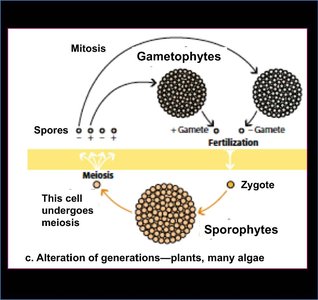
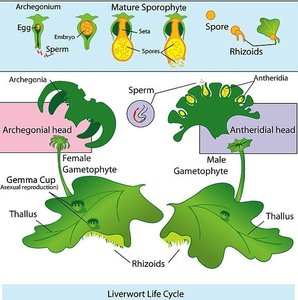
Bryophytes exhibit a distinct alternation of generations, with a dominant haploid gametophyte stage and a dependent diploid sporophyte stage. This cycle involves both sexual and asexual reproduction.
Gametophyte (n): Produces gametes via mitosis.
Sporophyte (2n): Develops from the fertilized zygote and produces spores via meiosis.
Fertilization: Requires water for sperm motility.
Structural Features of Non-Vascular Plants
General Morphology
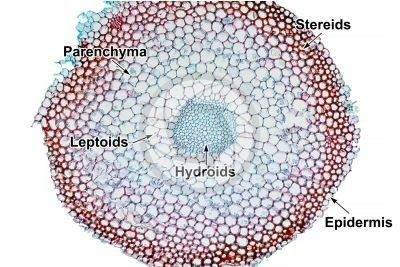
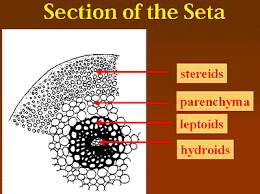
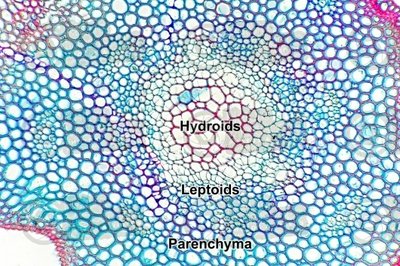
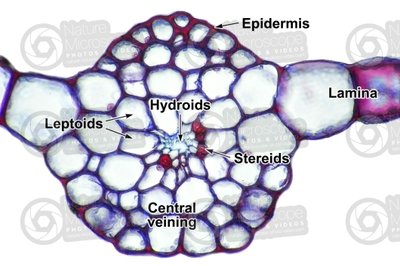
Bryophytes have structures that resemble roots, stems, and leaves, but these are not true organs due to the absence of vascular tissue. Instead, they possess specialized conducting cells:
Hydroids: Thin, colorless cells that conduct water and minerals (analogous to xylem tracheids).
Leptoids: Living cells that transport nutrients and sugars (analogous to phloem sieve elements).
Major Groups of Non-Vascular Plants
Hornworts (Phylum Anthocerophyta)
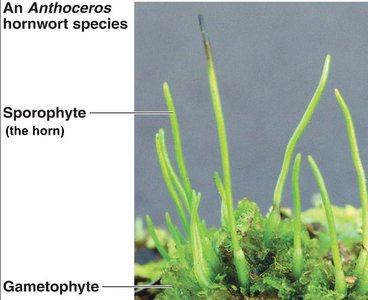
Hornworts are characterized by their elongated, horn-like sporophytes and simple thalloid gametophytes. They often form symbiotic relationships with nitrogen-fixing cyanobacteria and possess unique cellular features.
No seta: The sporophyte lacks a stalk and grows directly from the gametophyte.
Stomata: Present on the sporophyte, aiding in gas exchange.
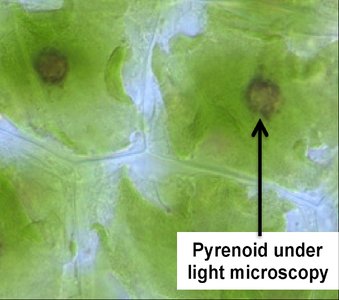
Pyrenoids: Large chloroplasts with pyrenoids for CO2 concentration, rare among land plants.
Liverworts (Phylum Marchantiophyta)
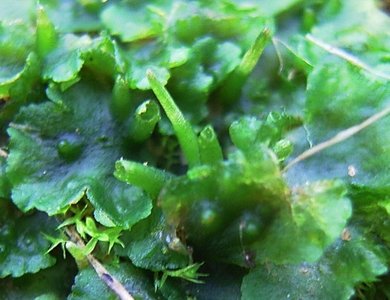
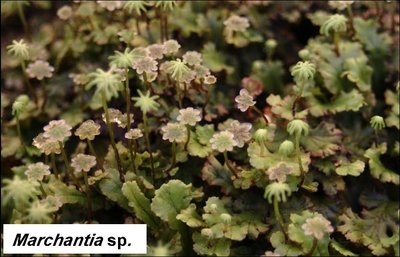
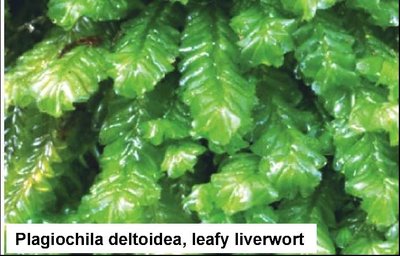
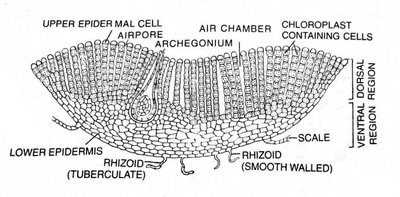
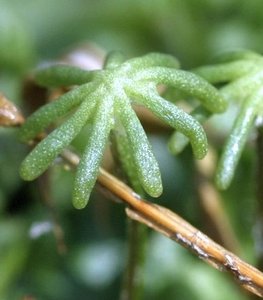
Liverworts display two main forms: leafy and thallose. They are primarily dioecious and lack true roots, stems, or leaves. Gas exchange occurs through pores on the thallus, not true stomata.
Leafy liverworts: Lobed, leaf-like structures (e.g., Plagiochila).
Thallose liverworts: Flat, ribbon-like thalli (e.g., Marchantia).
Pores: Lead to air chambers for gas exchange.
Reproduction in Liverworts
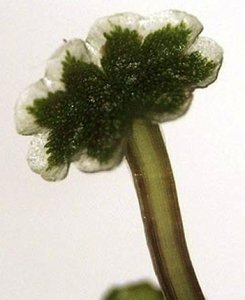
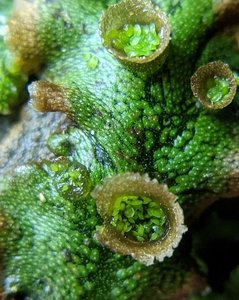
Liverworts reproduce both sexually and asexually. Sexual reproduction involves specialized structures (antheridiophores and archegoniophores), while asexual reproduction occurs via fragmentation and gemmae cups.
Antheridiophore: Male structure producing sperm.
Archegoniophore: Female structure producing eggs.
Gemmae cups: Contain asexual buds (gemmae) dispersed by raindrops.
Mosses (Phylum Bryophyta)
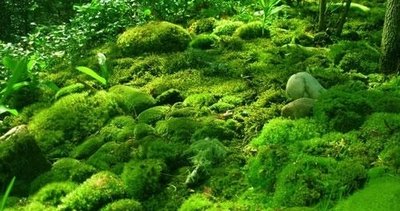
Mosses are the most diverse group of bryophytes, with clearly differentiated stem-like and leaf-like structures and multicellular rhizoids. They lack true vascular tissue but possess hydroids and leptoids for conduction.
Growth form: Mosses often grow in dense clumps, which help retain water.
Rhizoids: Multicellular, anchoring the plant to the substrate.
Reproduction: Separate male (antheridia) and female (archegonia) organs.
Comparative Table: Key Features of Non-Vascular Plant Groups
Feature | Hornworts (Anthocerophyta) | Liverworts (Marchantiophyta) | Mosses (Bryophyta) |
|---|---|---|---|
Main body form | Thalloid | Leafy or thalloid | Leafy |
Sporophyte | Horn-like, no seta | Short, with seta | Capsule on seta |
Stomata | Present (sporophyte) | Absent | Present (sporophyte) |
Conducting tissue | Absent | Absent | Hydroids, leptoids |
Rhizoids | Unicellular | Unicellular | Multicellular |
Symbiosis | Cyanobacteria | Rare | Rare |
Summary
Non-vascular plants are critical to understanding the evolution of land plants. Their simple structure, reliance on moist environments, and unique life cycles illustrate the challenges and innovations associated with terrestrial colonization. Bryophytes play essential ecological roles in water retention, soil formation, and as pioneer species in many habitats.
