 Back
BackHow Genes and Genomes Evolve: Mechanisms of Genetic Variation and Innovation
Study Guide - Smart Notes
 Tailored notes based on your materials, expanded with key definitions, examples, and context.
How Genes and Genomes Evolve
Introduction to Genetic Variation
Genetic variation is the foundation of evolution, providing the raw material for natural selection and adaptation. All diversity in the living world arises from modifications of pre-existing genetic sequences, accumulated over millions of generations. No gene or genome is entirely new; instead, they are shaped by various mechanisms that introduce changes to DNA.
Generating Genetic Variation
Types of Genetic Change
There are several fundamental mechanisms by which genetic variation is generated in organisms:
Mutation within a gene: Changes to the nucleotide sequence of a gene, potentially altering its function.
Mutation within regulatory DNA: Changes in non-coding regions that affect gene expression.
Gene duplication: Creation of additional copies of a gene, allowing divergence and evolution of new functions.
Exon shuffling: Rearrangement of exons to create new combinations of protein domains.
Mobile genetic elements: DNA sequences that can move within the genome, altering genetic structure.
Horizontal gene transfer: Acquisition of genetic material from another organism, common in bacteria.
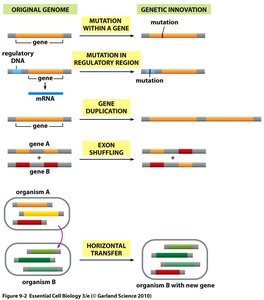
Each of these mechanisms continues to play a significant role in the ongoing evolution of modern organisms.
Sexual Reproduction and Genetic Diversity
Germ Cells and Somatic Cells
Sexual reproduction introduces additional genetic variation. Germ cells (sperm and eggs) carry only one set of chromosomes and are specialized for reproduction, passing genetic information to the next generation. Somatic cells, which make up the rest of the body, do not contribute genetically to offspring. Only mutations in germ cells are heritable.
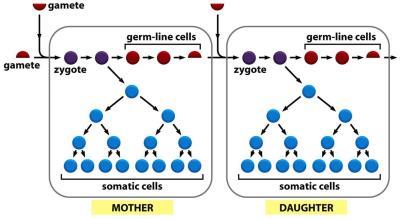
Fertilization: Fusion of male and female gametes produces genetically unique offspring.
Genetic diversity: Results from crossing over, independent assortment, and fertilization. Independent assortment alone can produce over 8 million combinations.
Mutations
Point Mutations
Point mutations are changes that affect a single nucleotide pair. They typically arise from rare errors in DNA replication or repair. The effects of point mutations can vary:
Silent mutations: Do not alter the amino acid sequence of the protein.
Missense mutations: Change one amino acid in the protein, which may affect function.
Nonsense mutations: Introduce a premature stop codon, truncating the protein.
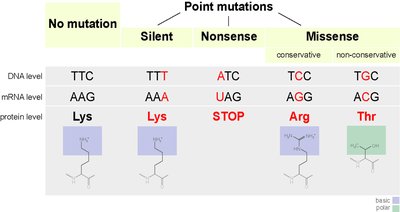
Point mutations can destroy, improve, or have no effect on gene function.
Gene Duplication and Divergence
Mechanisms and Evolutionary Importance
Gene duplication is a major mechanism for generating new genes from old ones. After duplication, each gene copy can accumulate mutations independently, leading to the evolution of gene families with specialized functions.
Unequal crossing-over: During meiosis, misalignment of homologous chromosomes can result in duplication of genes on one chromosome and deletion on the other.
Gene families: Example: The globin gene family in vertebrates, which encodes oxygen-carrying proteins, arose from a single ancestral gene through repeated duplication and divergence.
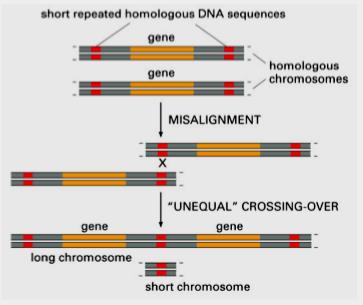
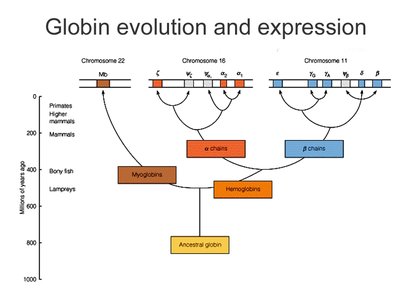
Whole genome duplications have also occurred in evolutionary history, especially in vertebrates, resulting in multiple copies of every gene.
Exon Shuffling
Mechanism and Consequences
Exon shuffling is a process by which exons, often encoding distinct protein domains, are rearranged to create new genes with novel combinations of functional domains. In eukaryotes, exons are separated by noncoding introns, facilitating recombination events that shuffle exons between genes.
Most human proteins are thought to have arisen from duplication and shuffling of a limited set of exons.
This mechanism greatly increases protein diversity from a relatively small number of genetic elements.
Horizontal Gene Transfer
Definition and Significance
Horizontal gene transfer is the movement of genetic material between organisms other than by descent from parent to offspring. It is rare in eukaryotes but common in bacteria, where it can occur via conjugation, transformation, or transduction.
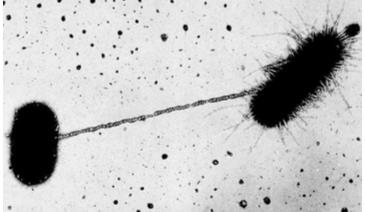
Horizontal gene transfer can introduce entirely new genes into a genome, contributing to rapid adaptation and evolution.
Mobile Genetic Elements (Transposons) and Viruses
Transposons
Transposons, or mobile genetic elements, are DNA sequences capable of moving within the genome. They are found in virtually all cells and constitute a significant portion of the human genome.
DNA-only transposons: Move via a cut-and-paste mechanism, common in bacteria.
Retrotransposons: Move via an RNA intermediate, more common in eukaryotes.
Transposons can rearrange the genome and contribute to genetic diversity.
Nearly half of the human genome is composed of mobile genetic elements.
Viruses
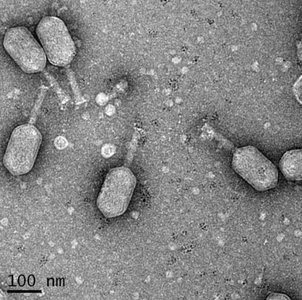
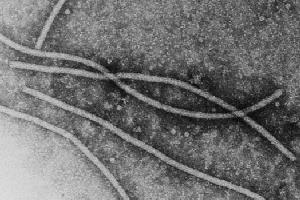
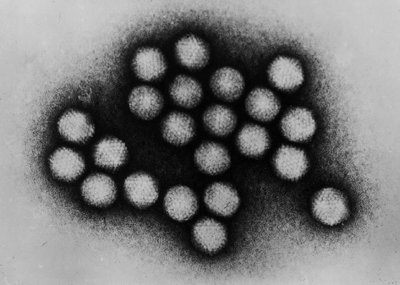
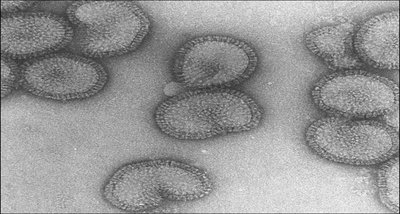
Viruses are intracellular parasites that rely on host cells for replication. Viral genomes can be composed of double-stranded DNA or single-stranded RNA. Viral reproduction is often lethal to host cells, and viruses can contribute to genetic variation by transferring genes between organisms.
Examples of viruses include T4 bacteriophage, Potato virus X, Adenovirus, and Influenza virus.
Summary Table: Mechanisms of Genetic Variation
Mechanism | Description | Example/Significance |
|---|---|---|
Mutation within a gene | Change in nucleotide sequence of a gene | Point mutations (silent, missense, nonsense) |
Mutation in regulatory DNA | Change in non-coding regions affecting gene expression | Altered timing or level of gene expression |
Gene duplication | Creation of additional gene copies | Globin gene family evolution |
Exon shuffling | Recombination of exons to create new genes | Novel protein domain combinations |
Mobile genetic elements | DNA sequences that move within the genome | Transposons, retrotransposons |
Horizontal gene transfer | Acquisition of genes from another organism | Bacterial conjugation |
Additional info: The mechanisms described above are central to the evolution of genes and genomes, and understanding them is essential for cell biology students preparing for exams or further study in genetics and molecular biology.
