 Back
BackIntroduction to Immunology: Structure, Function, and Cellular Mechanisms
Study Guide - Smart Notes
 Tailored notes based on your materials, expanded with key definitions, examples, and context.
Immunology: The Study of the Immune System
Definition and Scope
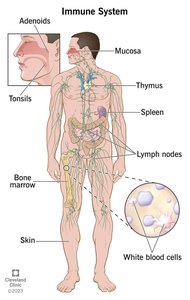
Immunology is the branch of biology that focuses on the immune system, its structure, function, and role in defending the body against infection. The immune system is present throughout the body and is essential for maintaining health by protecting against pathogens and managing disorders related to immune dysfunction.
Immune System: A complex network of cells, tissues, and organs that work together to defend the body against harmful microorganisms.
Disorders: Include autoimmune diseases, allergies, and immunodeficiencies.
Key Functions: Defense against infection, surveillance for abnormal cells, and removal of cellular debris.
The Beginnings of Immunology: Variolation and Vaccination
Historical Context and Early Practices
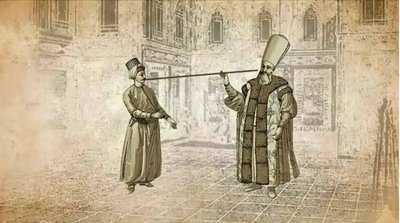
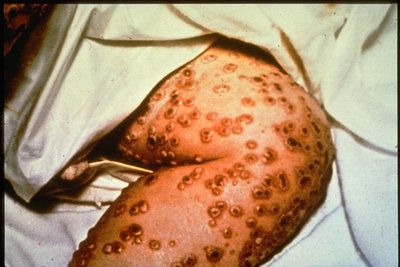
The origins of immunology trace back to observations that surviving certain diseases, such as smallpox, conferred future protection. Early practices like variolation and later vaccination were developed to harness this phenomenon.
Variolation: The deliberate inoculation of healthy individuals with infectious material from smallpox lesions to induce immunity. Originated in the Middle East and China in the 1400s and was introduced to Europe in the 1700s.
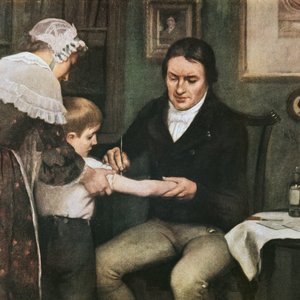
Vaccination: Introduced by Edward Jenner in the late 1700s, using cowpox to confer immunity to smallpox. This method was safer and equally effective compared to variolation.
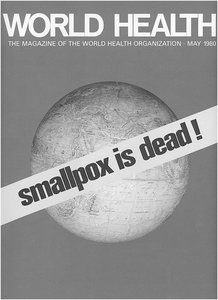
Smallpox Eradication: The World Health Organization declared smallpox eradicated in 1979/1980, marking a major achievement in medicine and immunology.
Germ Theory and the Identification of Pathogens
Key Discoveries and Scientists
The understanding of what causes disease advanced significantly in the 19th century with the development of germ theory and the identification of microorganisms as causative agents of infectious diseases.
Louis Pasteur: Supported germ theory and invented pasteurization.
John Snow: Conducted the first detailed study of disease spread, founding the field of epidemiology.
Robert Koch: Demonstrated that specific diseases are caused by specific microorganisms, formulating Koch's postulates.
Categories of Microorganisms in Disease
Types of Pathogens
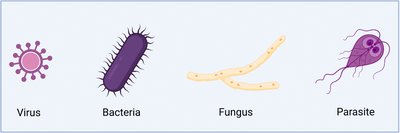
Pathogens are microorganisms that cause disease. They can be classified into several categories based on their structure and mode of infection.
Type | Characteristics | Examples |
|---|---|---|
Virus | Smallest, must be intracellular, directly kill cells | Influenza virus, Morbillivirus hominis |
Bacteria | Mostly intracellular, kill cells or produce toxins | Vibrio cholerae, Mycobacterium tuberculosis |
Fungi | Intracellular or extracellular, eukaryotes, often produce toxins | Trichophyton mentagrophytes |
Parasites | Extracellular, eukaryotes, large-scale damage | Plasmodium falciparum |
Commensal Microorganisms and the Microbiome
Non-Pathogenic Microbes
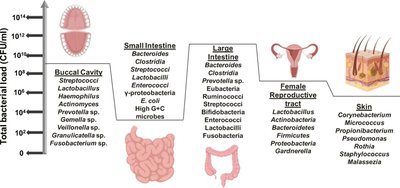
Not all microorganisms are harmful. Many are commensal, forming the microbiome, which can be neutral or beneficial to the host.
Commensal Microorganisms: Live in and on the body without causing harm; may aid in digestion, immune function, and protection against pathogens.
Microbiome: The community of microbes residing in various body sites such as the gut, skin, and mucosal surfaces.
Layers of Immune Defense
Physical Barriers, Innate Immunity, and Adaptive Immunity
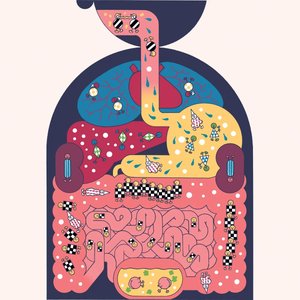
The immune system employs multiple layers of defense to protect against pathogens, starting with physical barriers and progressing to cellular immune responses.
Physical Barriers: Skin, hair, cilia, mucus, and stomach acid prevent pathogen entry.
Innate Immunity: Provides rapid, non-specific defense against all pathogens; includes phagocytic cells and antimicrobial proteins.
Adaptive Immunity: Specialized, slower response that targets specific pathogens and forms immunological memory.
Innate Immune System: Mechanisms and Limitations
Recognition and Response
The innate immune system recognizes pathogens and damaged cells using molecular patterns and responds rapidly to infection.
PAMPs (Pathogen-Associated Molecular Patterns): Molecules unique to pathogens, such as bacterial carbohydrates or viral RNA.
DAMPs (Damage-Associated Molecular Patterns): Molecules released from damaged host cells, such as ATP or free DNA.
Phagocytic Cells: Neutrophils, macrophages, and dendritic cells engulf and destroy pathogens.
Defensive Products: Anti-microbial and anti-viral proteins, mucus production.
Limitations: Cannot distinguish between different pathogens and cannot form immune memory.
Signaling and Communication in Immunity
Cytokines and Immune Coordination
Cytokines are small signaling proteins that mediate communication between immune cells, coordinating local and systemic immune responses and bridging innate and adaptive immunity.
Cytokines: Over 250 types, with roles in cell recruitment, activation, and regulation of immune responses.
Adaptive Immune System: Specificity and Memory
Key Features and Cell Types
The adaptive immune system is characterized by its specificity for particular pathogens and its ability to form long-lasting immunological memory.
T Lymphocytes (T Cells): Originate in bone marrow, mature in thymus; include cytotoxic (CD8+) and helper (CD4+) T cells.
B Lymphocytes (B Cells): Originate and mature in bone marrow; produce antibodies.
Antigen Specificity: Each T and B cell is specific for one antigen due to unique receptors (TCR and BCR).
Activation: Requires antigen recognition and, for B cells, help from CD4+ T cells.
Immunological Memory: Memory T and B cells enable faster and stronger responses upon re-exposure to the same pathogen.
Organization of the Adaptive Immune Response
Types of Immune Responses
The adaptive immune response is tailored to the type of pathogen encountered, with three main response types:
Type 1: Intracellular immunity (viruses, intracellular bacteria); involves cytotoxic T cells.
Type 2: Mucosal and barrier immunity (parasites, worms, some fungi); involves expulsion of parasites.
Type 3 (Type 17): Extracellular immunity (fungi, extracellular bacteria); involves regulation of inflammation and elimination of pathogens.
Immune Cell Identification: Flow Cytometry
Principles and Applications
Flow cytometry is a key technique for identifying immune cells based on the expression of specific surface proteins using fluorescently labeled antibodies.
Process: Cells are stained, passed through a laser, and analyzed for fluorescence to determine protein expression.
Markers: CD3 (all T cells), CD4 (helper T cells), CD8 (cytotoxic T cells).
Immunological Memory
Mechanisms and Importance
Immunological memory is a hallmark of the adaptive immune system, allowing for rapid and robust responses upon re-exposure to pathogens.
Memory T Cells: Include tissue-resident and central memory cells.
Memory B Cells and Plasma Cells: Produce high-affinity antibodies upon re-infection.
Significance: Basis for the effectiveness of vaccines and long-term immunity.
Research Example: Immune Responses in the Gut
Interactions Between Pathogens and Immune Responses
Recent research explores how the presence of different pathogens in the gut can influence immune responses, particularly the balance between type 1 and type 2 immunity.
Type 1 Response: Activates CD8+ cytotoxic T cells to combat viral infections.
Type 2 Response: Can suppress cytotoxic T cell activity, affecting memory cell populations.
Example: T. musculis (a protist) and LCMV (a virus) co-infection in the gut demonstrates how type 2 immunity can deplete local CD8+ T cell memory via apoptotic cell death and purinergic receptor signaling.
