 Back
BackFinancial Statements: An Overview
Study Guide - Smart Notes
 Tailored notes based on your materials, expanded with key definitions, examples, and context.
Chapter 1: Financial Statements – An Overview
Learning Objectives
This chapter introduces the foundational concepts of financial statements, their usefulness for decision making, the regulatory environment, and the challenges inherent in financial reporting. By the end of this chapter, students should be able to:
Explain why and how financial statements are useful for decision making
Describe the organizations that govern accounting rulemaking
Describe the components of a Form 10-K
Explain the challenges and complexities inherent in the accounting rules
Understand management’s impact on the quality of financial reporting
Financial Statements: Map or Maze?
Financial Statements as a Map
Financial statements can serve as a clear guide (a "map") for users, helping them understand a company's financial position and performance. They allow users to assess both historical and prospective financial outcomes, providing a transparent representation of a firm's financial health.
Basis for Decision Making: Financial statements help investors, creditors, and other stakeholders make informed decisions.
Clarity: When well-prepared, they present information in a way that is easy to interpret and analyze.
Assessment: Users can evaluate profitability, liquidity, solvency, and future prospects.

Financial Statements as a Maze
Conversely, financial statements can become a "maze" when they are overly complex, lack transparency, or contain misleading information. This can hinder users from reaching sound conclusions.
Information Overload: Excessive detail can obscure key facts.
Unreliable Auditing: Weak or compromised audits reduce trust in the statements.
Complex Policies: Complicated accounting rules and reporting requirements can confuse users.
Managerial Discretion: Management may have significant leeway in how information is presented, potentially hiding or omitting important details.

Components and Users of Financial Statements
Main Financial Statements
There are four primary financial statements, each serving a distinct purpose:
Balance Sheet: Presents a snapshot of a company’s assets, liabilities, and equity at a specific point in time.
Income Statement: Shows the company’s profitability over a period, calculated as revenue minus expenses (net income).
Statement of Cash Flows: Reports cash inflows and outflows from operating, investing, and financing activities.
Statement of Stockholders’ Equity: Details changes in equity accounts over time.
These statements are used by various stakeholders:
Investors: Assess financial performance for investment decisions.
Government Agencies: Use for tax and regulatory purposes.
Creditors: Evaluate creditworthiness and financial stability.

Supporting Documents
In addition to the main statements, users should review:
Notes to the Financial Statements: Provide essential details and explanations of accounting policies.
Auditor’s Report: Offers an independent opinion on the fairness of the statements.
Management’s Discussion and Analysis (MD&A): Management’s perspective on financial results and future outlook.
Other Material: May include supplementary schedules or disclosures.

Regulation and Standard Setting in Financial Reporting
Key Regulatory Bodies
Financial reporting is governed by several organizations that establish and enforce accounting standards:
Financial Accounting Standards Board (FASB): Sets U.S. Generally Accepted Accounting Principles (GAAP).
Securities and Exchange Commission (SEC): Regulates public company reporting and enforces compliance with GAAP.
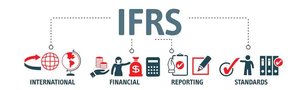
International Accounting Standards Board (IASB): Develops International Financial Reporting Standards (IFRS) for global use.
While the U.S. primarily uses GAAP, IFRS is widely adopted internationally. The SEC has not mandated IFRS for U.S. companies, but understanding both frameworks is important for global financial analysis.
Where to Find Financial Statements
Form 10-K
Public companies in the U.S. are required to file an annual report known as Form 10-K with the SEC. This document contains comprehensive financial information and is accessible through the SEC’s EDGAR database.
Form 10-K: Filed annually, includes financial statements, notes, auditor’s report, and MD&A.
EDGAR: Electronic Data Gathering, Analysis, and Retrieval system for public filings.

Annual Reports
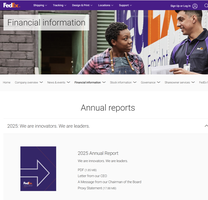
Companies also publish annual reports on their corporate websites. These reports often include the same financial statements as the 10-K, along with additional public relations material for shareholders and prospective investors.
Challenges and Complexities in Financial Reporting
Financial reporting is subject to several challenges that can affect the quality and usefulness of information:
Volume of Information: The sheer amount of data can be overwhelming for users.
Complexity: Accounting policies and reporting requirements are often intricate and difficult to interpret.
Management Discretion: Managers have flexibility in applying accounting rules, which can impact the transparency and comparability of statements.
Reliability: The quality of auditing and internal controls affects the trustworthiness of reported information.
Objectives of Financial Statement Analysis
The main objectives of studying financial statements are to:
Ensure that financial statements serve as a map, not a maze
Demonstrate how to read and evaluate financial statements
Provide tools and techniques for comprehensive analysis
Encourage intelligent and informed decision making
Summary Table: Key Elements of Financial Statements
Statement | Main Purpose | Key Components |
|---|---|---|
Balance Sheet | Snapshot of financial position | Assets, Liabilities, Equity |
Income Statement | Measures profitability | Revenue, Expenses, Net Income |
Statement of Cash Flows | Reports cash movements | Operating, Investing, Financing Activities |
Statement of Stockholders’ Equity | Tracks changes in equity | Common Stock, Retained Earnings, Other Equity Items |
Conclusion
Understanding financial statements is essential for analyzing a company’s financial health and making informed decisions. Mastery of the structure, content, and regulatory environment of financial reporting provides a strong foundation for further study in financial accounting and analysis.
