 Back
Fundamental Concepts and Qualities of Financial Accounting Information
Study Guide - Smart Notes
 Tailored notes based on your materials, expanded with key definitions, examples, and context.
Introduction to Accounting
What is Accounting?
Accounting is the process of collecting, analyzing, and communicating financial information to assist users in making informed decisions. It is foundational to business operations and financial management, providing a systematic approach to recording and reporting financial transactions.
Definition: Accounting involves the systematic recording, reporting, and analysis of financial transactions.
Purpose: To provide relevant financial information to various stakeholders for decision-making.
Overlap with Finance: Financial accounts are essential for investment decisions and business planning.
Users of Accounting Information
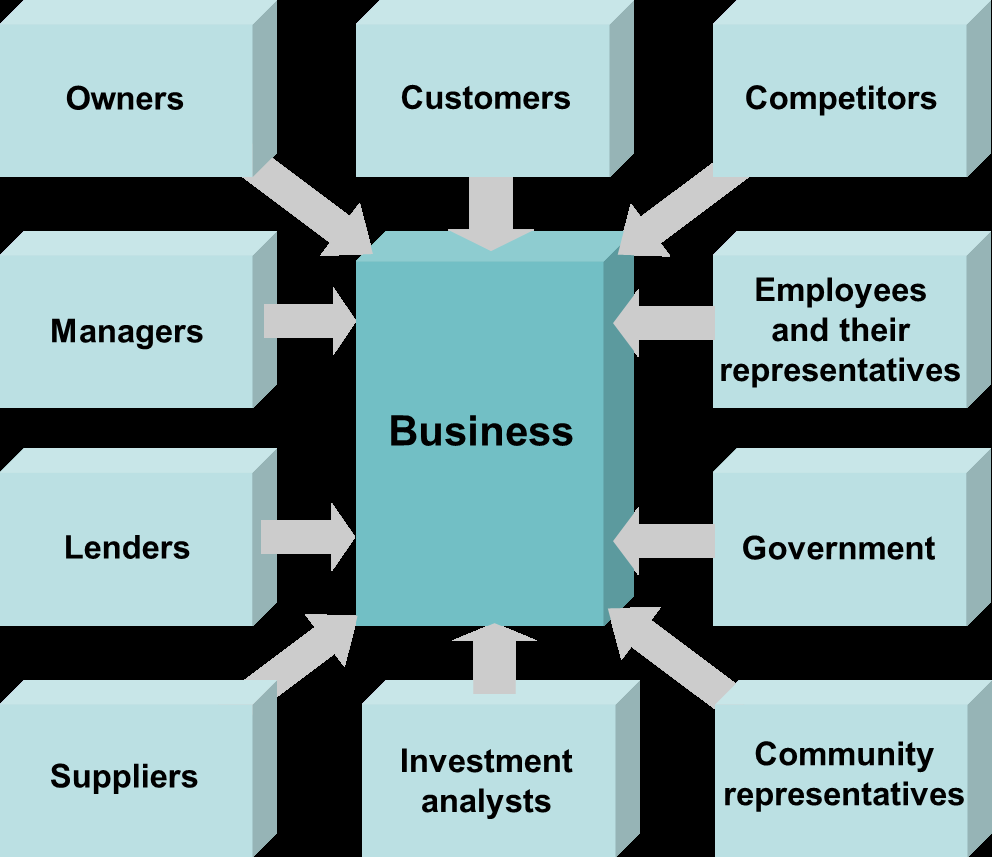
Accounting information is utilized by a wide range of stakeholders, each with distinct interests and decision-making needs.
Owners: Assess profitability and financial health.
Managers: Use information for planning, control, and decision-making.
Lenders: Evaluate creditworthiness and risk.
Suppliers: Assess the ability to pay for goods and services.
Customers: Ensure continuity and reliability of supply.
Investment Analysts: Analyze performance for investment recommendations.
Competitors: Benchmark performance and strategy.
Employees and Representatives: Evaluate job security and compensation.
Government: Monitor compliance and taxation.
Community Representatives: Assess social and economic impact.
Qualitative Characteristics of Financial Information
Fundamental and Enhancing Qualities
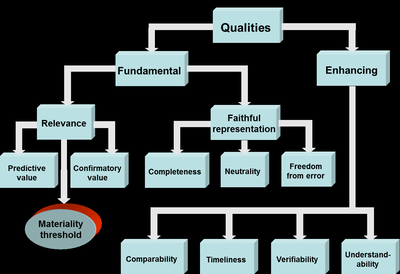
Financial information must possess certain qualitative characteristics to be useful for decision-making. These qualities are classified as fundamental (relevance and faithful representation) and enhancing (comparability, verifiability, timeliness, and understandability).
Relevance: Information must be capable of influencing decisions, possessing predictive and confirmatory value.
Materiality: Only information that is significant to the entity should be included; materiality is entity-specific.
Faithful Representation: Information must be complete, neutral, and free from material error.
Comparability: Enables users to compare financial information across entities and periods; consistency enhances comparability.
Verifiability: Information is verifiable if independent observers can agree on its faithful representation; verification can be direct or indirect.
Timeliness: Information must be available in time to influence decisions.
Understandability: Information should be presented clearly and concisely, assuming users have reasonable business knowledge.
Relevance and Materiality
Relevance is a fundamental quality that ensures financial information is useful for decision-making. Materiality acts as a threshold, determining which information should be included based on its significance to the entity.
Predictive Value: Helps users forecast future outcomes.
Confirmatory Value: Provides feedback on previous evaluations.
Materiality: Information is material if its omission or misstatement could influence decisions.
Faithful Representation
Faithful representation means that financial information accurately reflects the economic phenomena it purports to represent. It must be complete, neutral, and free from material error.
Completeness: All necessary information is included.
Neutrality: Information is unbiased.
Freedom from Error: Information is free from material error, though estimates may be used.
Comparability
Comparability allows users to identify similarities and differences between financial information across entities and periods. Consistency in accounting methods enhances comparability.
Consistency: Using the same accounting methods over time improves comparability.
Application: Financial reports, such as those from Tesco, demonstrate comparability across years.

Verifiability
Verifiability ensures that financial information can be confirmed by independent observers. Verification may be direct (e.g., counting cash) or indirect (e.g., checking inputs to a model).
Direct Verification: Physical observation of assets.
Indirect Verification: Reviewing assumptions and calculations.
Timeliness
Timeliness requires that financial information is provided promptly to influence economic decisions. Delayed information may lose its relevance.
Application: Annual reports must be published within a reasonable period after year-end.

Understandability
Understandability is achieved when financial information is presented clearly and concisely. Complex information should not be omitted but must be explained for users with reasonable business knowledge.
IASB Guidance: Financial accounts are prepared for users who review and analyze information diligently.

Cost-Benefit Consideration in Accounting
Balancing Costs and Benefits
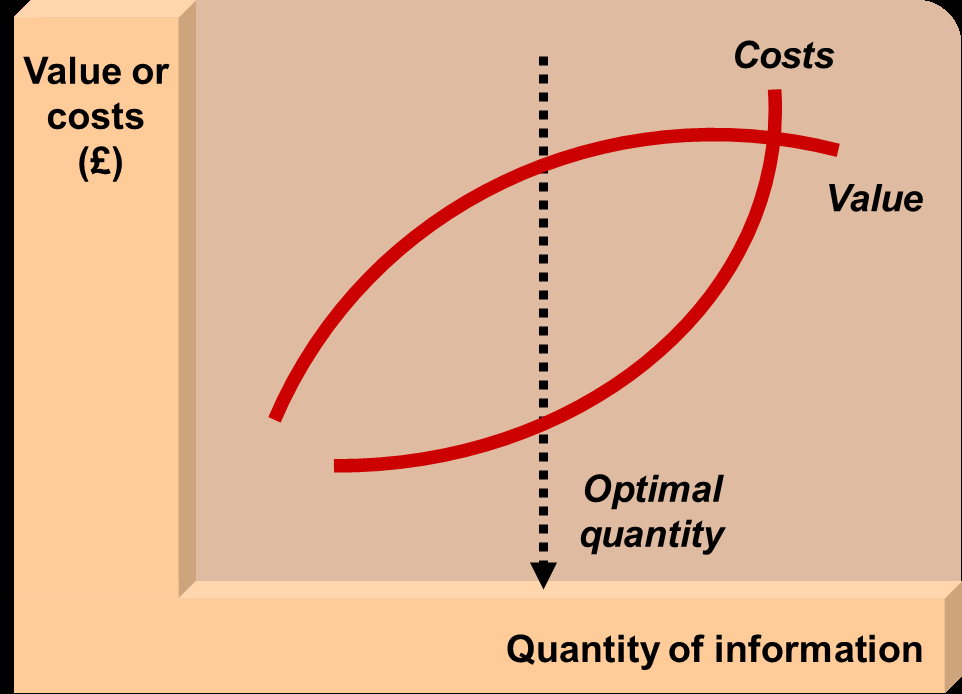
Accounting information should only be produced if the benefits outweigh the costs. The optimal quantity of information is where the value to users is maximized relative to the costs incurred in producing it.
Cost-Benefit Principle: Information is provided only if its value exceeds the cost of preparation.
Optimal Quantity: The intersection of value and cost curves determines the optimal amount of information.
Additional info:
These notes cover foundational concepts from "Introduction to Accounting" and the qualitative characteristics of financial information, which are essential for understanding financial accounting principles and preparing for further study in transaction analysis, accrual concepts, and financial statement preparation.
