 Indietro
Acid-Base Balance and Buffer Systems in Human Physiology (Lab 9: PhysioEx Exercise 10)
Guida di studio - Note intelligenti
 Appunti personalizzati basati sui tuoi materiali, ampliati con definizioni chiave, esempi e contesto.
Acid-Base Balance
Acids and Bases: Definitions and Properties
The acid-base balance is a fundamental concept in human physiology, crucial for maintaining homeostasis. Acids and bases are defined by their ability to release or accept hydrogen ions (H+) in solution.
Acid: A substance that releases H+ ions in solution, increasing the hydrogen ion concentration. Example: HCl → H+ + Cl-.
Base: A substance that accepts H+ ions or releases hydroxide ions (OH-), decreasing the hydrogen ion concentration. Example: NaOH → Na+ + OH-.
OH- ions react with H+ ions to form water (H2O).
HCO3- (bicarbonate) can take up H+ ions to form H2CO3 (carbonic acid).
Measuring Acidity: pH Scale
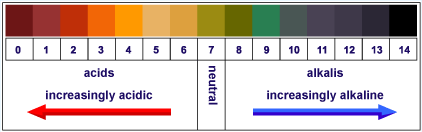
The pH scale is used to measure the acidity or alkalinity of a solution. It is inversely related to the concentration of hydrogen ions ([H+]).
Inverse relationship: As [H+] increases, pH decreases.
Logarithmic relationship: A decrease in pH by 1 corresponds to a 10-fold increase in [H+].
Formula:
[H+]: Moles of hydrogen ions per liter.
pH range: 0 (most acidic) to 14 (most alkaline), with 7 being neutral.
Strong vs. Weak Acids and Bases
Acids and bases are classified as strong or weak based on their ability to dissociate in water.
Strong acids/bases: Fully dissociate in water. Examples: HCl, H2SO4 (acids); NaOH, KOH (bases).
Weak acids/bases: Partially dissociate, forming a reversible reaction. Example: H2CO3 ⇌ HCO3- + H+.
Conjugate acid/base pairs: Weak acids and bases exist in equilibrium with their conjugate forms, allowing for reversible addition or removal of H+.
Buffer Systems
Buffer Function and Mechanism
Buffers are essential for maintaining a stable pH in biological systems. They consist of a weak acid and its conjugate base, allowing them to neutralize added acids or bases.
In water alone: Adding H+ increases acidity; adding OH- increases alkalinity.
In buffered solution: The buffer reacts with added H+ or OH- to prevent significant changes in pH.
Example: HCO3- + H+ → H2CO3 (no change in pH).
OH- + H2CO3 → HCO3- + H2O (no change in pH).
Buffer Capacity
Buffer capacity refers to the amount of acid or base a buffer can neutralize before the pH begins to change significantly.
Depends on: The concentration of the acid/base pair in the buffer.
Greater concentration: Higher buffer capacity.
Optimal pH range: Determined by the acid dissociation constant (Ka or pKa).
pKa: The pH at which the concentrations of conjugate acid and base are equal.
Formula:
Acid-Base Balance in the Human Body
Normal pH Range and Homeostasis
The human body maintains a narrow pH range in blood and tissues, essential for proper physiological function.
Normal blood pH: 7.35 – 7.45
Acidemia: pH < 7.35
Alkalemia: pH > 7.45
Mechanisms: Buffers (short-term), respiratory system (fast, limited), urinary system (slow, large changes)
Role of Carbon Dioxide in Acid-Base Balance
Carbon dioxide (CO2) is a key regulator of pH in the body, as it forms carbonic acid when dissolved in water.
Reaction:
Increase in CO2: More carbonic acid, lower pH (more acidic)
Decrease in CO2: Less carbonic acid, higher pH (more alkaline)
Acid-Base Disorders and Compensation
Disorders of acid-base balance can arise from respiratory or metabolic causes, with the body compensating through physiological mechanisms.
Respiratory Alkalosis: Caused by hyperventilation (too little CO2), kidneys retain H+ and excrete HCO3-.
Respiratory Acidosis: Caused by rebreathing (too much CO2), kidneys excrete H+ and retain HCO3-.
Metabolic Alkalosis: Too little H+ or too much HCO3-, lungs decrease breathing rate to retain CO2.
Metabolic Acidosis: Too much H+ or too little HCO3-, lungs increase breathing rate to expel CO2.
Causes of Acid-Base Imbalances
Disorder | Blood pH | Blood CO2 | Possible Causes |
|---|---|---|---|
Metabolic Acidosis | Decrease | Increase | Strenuous exercise, ketoacidosis, increased alcohol intake, diarrhea, aspirin overdose, increased metabolic activity |
Metabolic Alkalosis | Increase | Decrease | Antacid overdose, vomiting, constipation, decreased metabolic activity |
Summary Table: Buffer System Properties
Buffer Capacity | Conjugate Acid | Conjugate Base | Buffer pH |
|---|---|---|---|
Max | H2CO3 | HCO3- | 6.35 |
Reduced | H2CO3 | HCO3- | 6.35 (unchanged) |
Low | H2CO3 | HCO3- | 6.35 (unchanged) |
Zero | H2CO3 | None | 6.35 (begins to decrease) |
Additional info: The notes expand on the physiological mechanisms of acid-base balance, including the role of buffers, respiratory, and urinary systems, and provide context for laboratory activities related to acid-base disorders.
