 Indietro
Acid-Base Balance and Regulation in Human Physiology
Guida di studio - Note intelligenti
 Appunti personalizzati basati sui tuoi materiali, ampliati con definizioni chiave, esempi e contesto.
Acid-Base Balance in the Body
Overview of Acid-Base Homeostasis
The maintenance of acid-base balance is essential for normal physiological function. The body tightly regulates arterial blood pH within the range of 7.35–7.45. Deviations from this range can result in acidosis (pH < 7.35) or alkalosis (pH > 7.45), both of which can have serious physiological consequences.
Acidosis: Excess hydrogen ions (H+) lower blood pH.
Alkalosis: Deficiency of hydrogen ions raises blood pH.
Complications: Protein conformation changes, altered neuron excitability, potassium imbalance, cardiac arrhythmias, and vasodilation.
Sources of Acid and Base in the Body
Inputs and Outputs of Acid
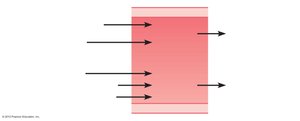
Acids enter the blood from dietary sources and metabolism, while removal occurs via the lungs and kidneys.
Inputs: Proteins, fats, CO2 (from metabolism), lactic acid, keto acids.
Outputs: CO2 (lungs), H+ (kidneys).
Types and Sources of Acid-Base Disturbances
Respiratory Disturbances
Respiratory disturbances are related to changes in CO2 levels, which act as a source of acid in the body.
Normal arterial PCO2: 40 mm Hg
Increased CO2: Respiratory acidosis
Decreased CO2: Respiratory alkalosis
The chemical equation for CO2 buffering is:
Metabolic Disturbances
Metabolic Acidosis: Decreased pH due to non-CO2 sources (e.g., high-protein/fat diet, heavy exercise, severe diarrhea, renal dysfunction).
Metabolic Alkalosis: Increased pH due to non-CO2 sources (e.g., excessive vomiting, ingestion of alkaline substances, renal dysfunction).
Defense Mechanisms Against Acid-Base Disturbances
Three Lines of Defense
Buffering of Hydrogen Ions: Immediate response using chemical buffers.
Respiratory Compensation: Adjusts ventilation to regulate CO2 (minutes).
Renal Compensation: Adjusts excretion/reabsorption of H+ and HCO3– (hours to days).
Buffering Systems
Extracellular Fluid (ECF) Buffer: Bicarbonate system ()
Intracellular Fluid (ICF) Buffers: Proteins (), Phosphates ()
Respiratory Compensation
The respiratory system adjusts ventilation to regulate plasma CO2 and thus pH.
Increased ventilation: Decreases CO2, raises pH.
Decreased ventilation: Increases CO2, lowers pH.
Peripheral chemoreceptors detect changes in plasma pH and adjust ventilation accordingly (negative feedback).
Renal Compensation
The kidneys regulate acid-base balance by controlling the excretion of H+ and reabsorption/synthesis of HCO3–.
Increased acidity: More H+ secretion, more HCO3– reabsorption and synthesis.
Decreased acidity: Less H+ secretion, less HCO3– reabsorption and synthesis.
Renal Handling of Hydrogen and Bicarbonate Ions
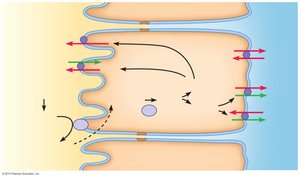
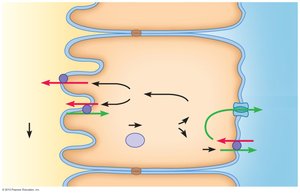
Proximal Tubule: Bicarbonate reabsorption is coupled to H+ secretion.
Distal Tubule and Collecting Duct: H+ secretion is coupled to synthesis of new HCO3–.
Compensation for Acid-Base Disturbances
Key Ratios and Regulation
For normal pH (7.4):
Acidosis: Ratio < 20:1
Alkalosis: Ratio > 20:1
Kidneys regulate HCO3–; lungs regulate CO2.
Types of Disturbances and Compensation
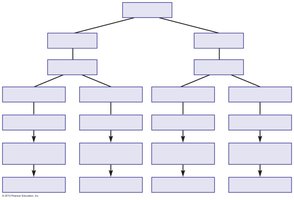
Respiratory Acidosis: Hypoventilation increases CO2 and H+. Compensation: Renal (increased H+ secretion, increased HCO3– reabsorption).
Respiratory Alkalosis: Hyperventilation decreases CO2 and H+. Compensation: Renal (decreased H+ secretion, decreased HCO3– reabsorption).
Metabolic Acidosis: Increased H+ independent of CO2. Compensation: Respiratory (increased ventilation), renal (increased H+ secretion, increased HCO3– reabsorption and synthesis).
Metabolic Alkalosis: Decreased H+ independent of CO2. Compensation: Respiratory (decreased ventilation), renal (decreased H+ secretion, decreased HCO3– reabsorption and synthesis).
Summary Table: Acid-Base Disturbances and Compensation
Disturbance | Primary Change | Compensation |
|---|---|---|
Respiratory Acidosis | ↑ CO2, ↓ pH | Renal: ↑ H+ secretion, ↑ HCO3– reabsorption |
Respiratory Alkalosis | ↓ CO2, ↑ pH | Renal: ↓ H+ secretion, ↓ HCO3– reabsorption |
Metabolic Acidosis | ↑ H+, ↓ HCO3–, ↓ pH | Respiratory: ↑ ventilation; Renal: ↑ H+ secretion, ↑ HCO3– reabsorption/synthesis |
Metabolic Alkalosis | ↓ H+, ↑ HCO3–, ↑ pH | Respiratory: ↓ ventilation; Renal: ↓ H+ secretion, ↓ HCO3– reabsorption/synthesis |
Key Takeaways
Acid-base balance is maintained by buffers, respiratory, and renal mechanisms.
Disturbances are classified as respiratory or metabolic, with specific compensatory responses.
Understanding the interplay between lungs and kidneys is essential for diagnosing and treating acid-base disorders.
