 Indietro
Anatomy and Physiology of the Reproductive System
Guida di studio - Note intelligenti
 Appunti personalizzati basati sui tuoi materiali, ampliati con definizioni chiave, esempi e contesto.
The Reproductive System
Overview and Functions
The reproductive system is essential for the continuation of the human species, comprising organs and structures responsible for producing gametes, secreting hormones, and facilitating fertilization and development. - Gonads: Organs that produce gametes (sperm or oocytes) and hormones. - Ducts: Transport gametes from gonads to the exterior or to fertilization sites. - Accessory glands: Secrete fluids that support gametes and reproductive processes. - External genitalia: Perineal structures involved in copulation and protection.
Male Reproductive System
Anatomy and Major Structures
The male reproductive system is specialized for the production and delivery of sperm. Its main components include the testes, ducts, accessory glands, and external genitalia. - Testes: Male gonads that produce sperm and secrete androgens. - Ducts: Epididymis, ductus deferens, ejaculatory duct, and urethra transport sperm. - Accessory glands: Seminal glands, prostate, and bulbo-urethral glands produce seminal fluid. - External genitalia: Penis and scrotum. 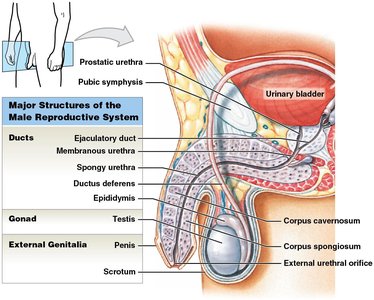
Accessory Glands
Accessory glands contribute to the fluid component of semen, each with unique biochemical properties. - Seminal glands: Secrete fructose-rich fluid to nourish sperm. - Prostate: Adds enzymes and nutrients to semen. - Bulbo-urethral glands: Secrete mucus for lubrication. 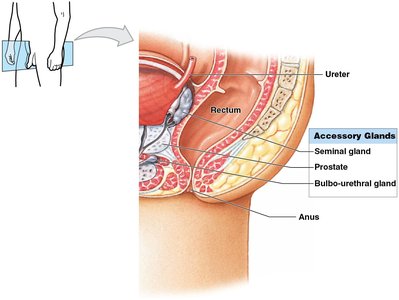
Epididymis
The epididymis is a coiled tube attached to the posterior border of each testis, serving as the site for sperm maturation and storage. - Head: Receives sperm from efferent ductules. - Body: Located on the posterior surface of the testis. - Tail: Primary storage site for sperm, connects to ductus deferens. 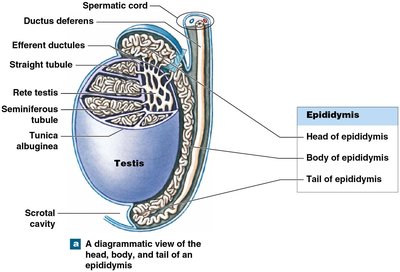
Ductus Deferens (Vas Deferens)
The ductus deferens is a muscular tube that transports sperm from the epididymis to the ejaculatory duct. - Length: 40–45 cm. - Stores sperm for several months in an inactive state. - Lumen enlarges into the ampulla near the prostate. 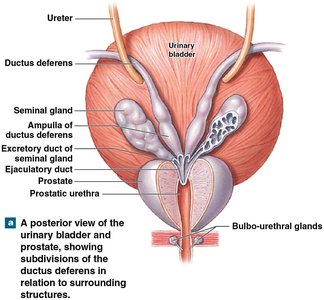
Penis and Erectile Tissues
The penis is composed of erectile tissues that facilitate copulation. - Corpora cavernosa: Paired columns of erectile tissue. - Corpus spongiosum: Surrounds the urethra and forms the glans penis. - Erection is mediated by the parasympathetic nervous system. 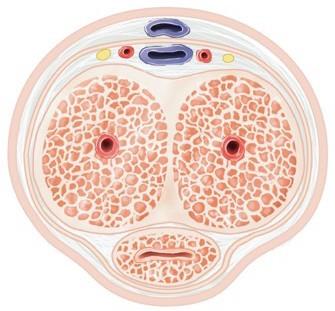
Female Reproductive System
Anatomy and Major Structures
The female reproductive system produces oocytes, supports fertilization, and nurtures the developing embryo. - Ovaries: Female gonads that produce oocytes and hormones. - Uterine tubes: Transport oocytes to the uterus; site of fertilization. - Uterus: Muscular organ supporting embryo/fetus development. - Vagina: Muscular tube connecting uterus to exterior. - External genitalia: Includes labia and vestibule. 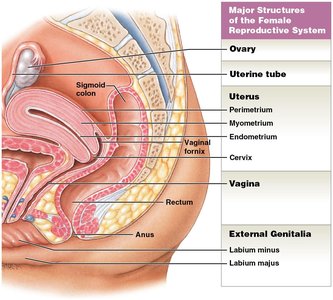
Gross Anatomy of the Uterus
The uterus is a thick-walled organ facilitating embryo and fetal development. - Cervix: Opens into the vagina. - Uterine tubes: Project laterally and open near the ovaries. - Vagina: Passage for menses, birth canal, and copulation. 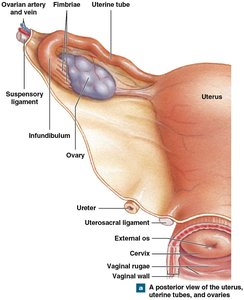
Layers of the Uterus
The uterine wall consists of three layers: - Perimetrium: Outer serous membrane. - Myometrium: Thick, muscular middle layer. - Endometrium: Inner glandular layer, undergoes cyclical changes. 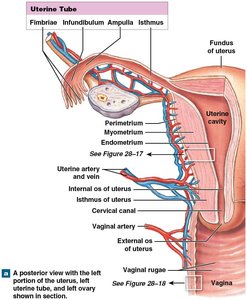
Uterine Tubes
Uterine tubes are divided into three segments: - Infundibulum: Funnel-shaped, with fimbriae near the ovary. - Ampulla: Middle segment, thick muscle layers. - Isthmus: Short segment adjacent to the uterus. 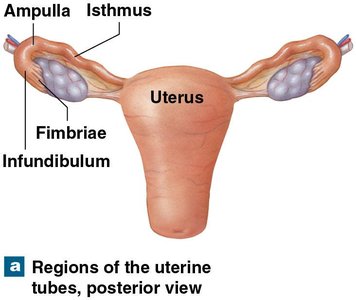
Ovaries
Ovaries are almond-shaped organs with three main functions: - Production of immature oocytes. - Secretion of estrogens and progesterone. - Secretion of inhibin for feedback control of FSH. 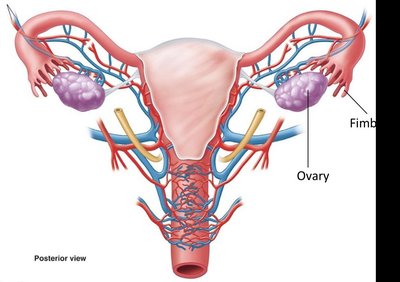
The Ovarian Cycle
Follicular Development
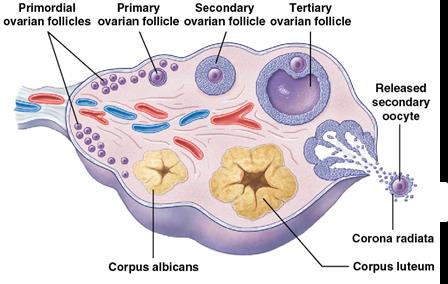
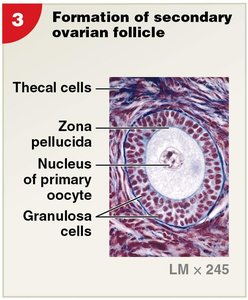
The ovarian cycle involves the maturation, ovulation, and degeneration of ovarian follicles. - Primordial follicles: Contain primary oocytes in egg nests. - Primary follicles: Formed from activated primordial follicles. - Secondary follicles: Develop from primary follicles. - Tertiary follicles: Large, fluid-filled, ready for ovulation. 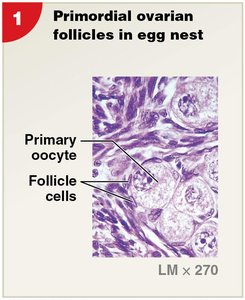
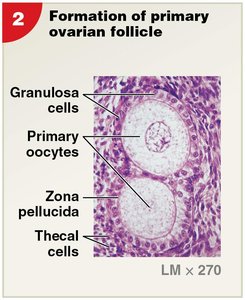
Phases of the Ovarian Cycle
The cycle is divided into two main phases: - Follicular phase: Growth and maturation of follicles; ends with ovulation. - Luteal phase: Formation of corpus luteum, secretion of progesterone, degeneration to corpus albicans. 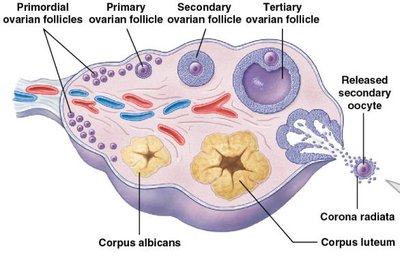
Uterine (Menstrual) Cycle
Phases of the Uterine Cycle
The uterine cycle is a repeating series of changes in the endometrium, typically lasting 28 days. - Menstrual phase: Shedding of functional endometrial layer. - Proliferative phase: Rapid growth of new endometrial tissue, stimulated by estrogen. - Secretory phase: Uterine glands secrete nutrients, occurs after ovulation.
Female External Genitalia
Vulva and Associated Structures
The vulva includes the external genitalia and associated erectile tissues. - Labium minus: Thin folds of skin flanking the midline. - Vestibule: Area between labium minus, containing urethral and vaginal openings. - Labium majus: Larger folds lateral to the vestibule.
Integration with Other Body Systems
Systemic Interactions
The reproductive system interacts with other body systems, including endocrine, nervous, and circulatory systems, to regulate reproductive function and support pregnancy.
Summary Table: Male vs. Female Reproductive Structures
Male Structure | Female Structure | Function |
|---|---|---|
Testis | Ovary | Gamete and hormone production |
Epididymis | Uterine tube | Sperm maturation / Oocyte transport |
Penis | Vagina | Copulation |
Prostate, seminal glands | Mammary glands | Seminal fluid / Milk production |
Additional info: The notes have been expanded with academic context to ensure completeness and clarity for exam preparation.
