 Indietro
Anatomy of the Muscular System: Key Muscles and Their Locations
Guida di studio - Note intelligenti
 Appunti personalizzati basati sui tuoi materiali, ampliati con definizioni chiave, esempi e contesto.
Anatomy of the Muscular System
Overview of the Muscular System
The muscular system is responsible for movement, stability, and posture in the human body. Muscles are classified based on their location, function, and structure. The study of muscle anatomy includes understanding the origin, insertion, and action of each muscle group.
Skeletal muscles are attached to bones and facilitate voluntary movements.
Muscle fibers are the basic units of muscle tissue, organized into bundles.
Muscles work in pairs: agonists (prime movers) and antagonists (opposing muscles).
Muscles of the Head and Neck
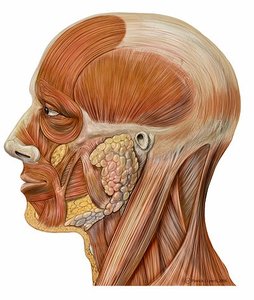
The head and neck contain numerous muscles responsible for facial expression, mastication (chewing), and movement of the head.
Facial muscles allow for expressions such as smiling, frowning, and blinking.
Masticatory muscles include the masseter and temporalis, which are essential for chewing.
Neck muscles such as the sternocleidomastoid and trapezius facilitate head movement and support.
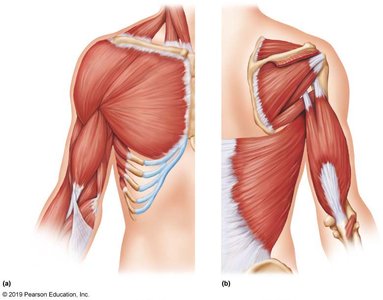
Muscles of the Shoulder and Upper Arm
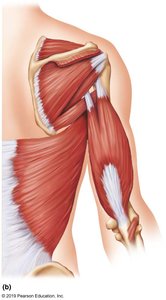
The shoulder and upper arm muscles are crucial for arm movement and stability.
Deltoid: Responsible for abduction, flexion, and extension of the shoulder.
Rotator cuff muscles: Supraspinatus, infraspinatus, teres minor, and subscapularis stabilize the shoulder joint.
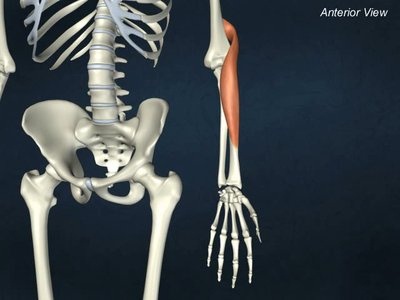
Biceps brachii: Flexes the elbow and supinates the forearm.
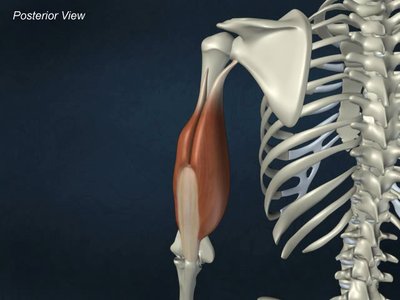
Triceps brachii: Extends the elbow.
Muscles of the Chest and Back
The chest and back muscles are involved in movements of the upper limb and trunk.
Pectoralis major: Adducts and flexes the humerus.
Serratus anterior: Protracts the scapula.
Latissimus dorsi: Extends, adducts, and medially rotates the arm.
Muscles of the Forearm and Hand
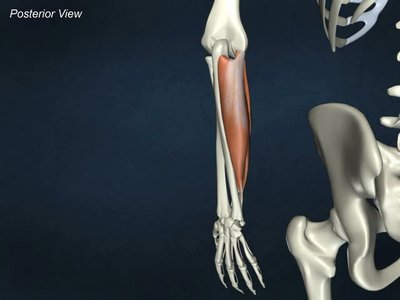
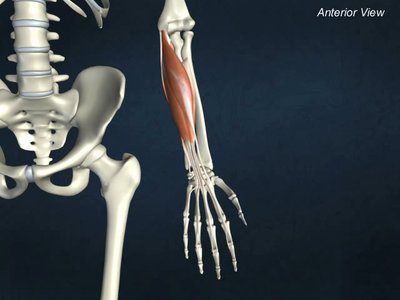
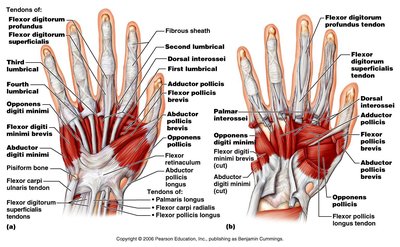
The forearm and hand muscles control wrist, finger, and thumb movements.
Flexor muscles: Flex the wrist and fingers (e.g., flexor carpi radialis, flexor digitorum superficialis).
Extensor muscles: Extend the wrist and fingers (e.g., extensor carpi radialis, extensor digitorum).
Intrinsic hand muscles: Fine motor control of the fingers and thumb.
Muscles of the Hip and Thigh
The hip and thigh muscles are essential for locomotion and maintaining posture.
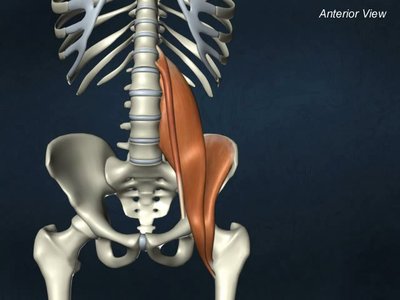
Iliopsoas: Major hip flexor.
Gluteal muscles: Gluteus maximus, medius, and minimus extend and abduct the hip.
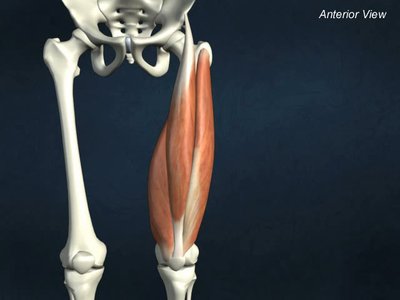
Quadriceps femoris: Extends the knee.
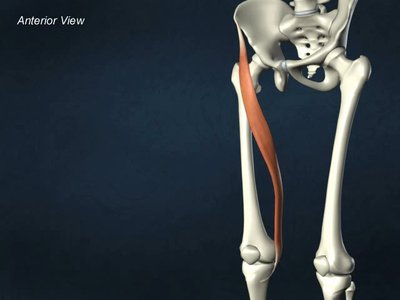
Hamstrings: Flex the knee and extend the hip.
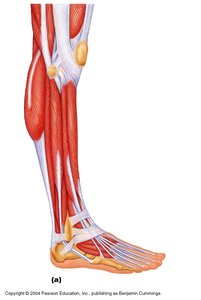
Muscles of the Leg and Foot
The leg and foot muscles are involved in walking, running, and balance.
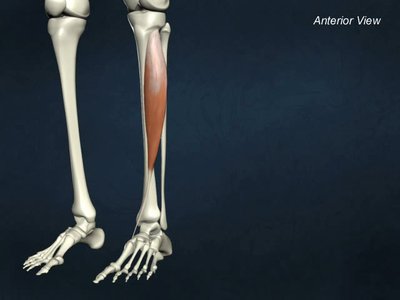
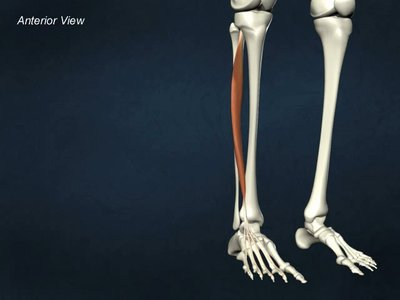
Tibialis anterior: Dorsiflexes the foot.
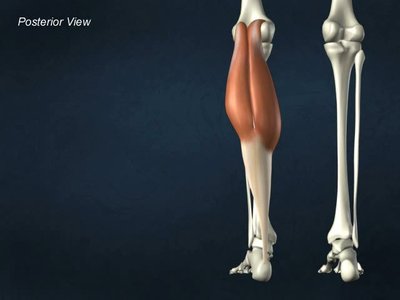
Gastrocnemius and soleus: Plantar flex the foot.
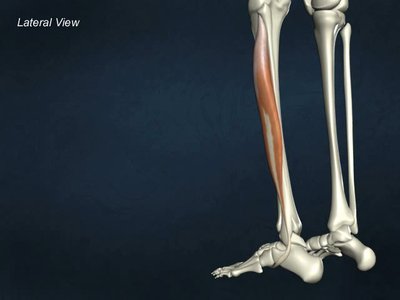
Peroneal muscles: Evert the foot.
Intrinsic foot muscles: Control toe movements and support the arch.
Summary Table: Major Muscles and Their Actions
Muscle Group | Location | Primary Action |
|---|---|---|
Head & Neck | Face, jaw, neck | Facial expression, chewing, head movement |
Shoulder & Arm | Shoulder, upper arm | Arm abduction, flexion, extension |
Chest & Back | Thorax, back | Arm movement, trunk stability |
Forearm & Hand | Forearm, hand | Wrist/finger movement |
Hip & Thigh | Pelvis, thigh | Hip flexion/extension, knee movement |
Leg & Foot | Lower leg, foot | Foot movement, balance |
Key Terms and Concepts
Origin: The fixed attachment point of a muscle.
Insertion: The movable attachment point of a muscle.
Action: The movement produced by muscle contraction.
Agonist: The primary muscle responsible for movement.
Antagonist: The muscle that opposes the action of the agonist.
Synergist: Muscle that assists the agonist.
Muscle Contraction: Basic Mechanism
Muscle contraction occurs through the sliding filament theory, where actin and myosin filaments slide past each other to shorten the muscle.
ATP is required for muscle contraction.
Calcium ions trigger contraction by binding to troponin.
Motor neurons stimulate muscle fibers to contract.
Equation: Example: The biceps brachii contracts to flex the elbow, while the triceps brachii extends it. Additional info: Muscle anatomy is foundational for understanding movement, injury, and rehabilitation in clinical practice. ----------------------------------------
