 Indietro
LECTURE CH 6- 3
Guida di studio - Note intelligenti
 Appunti personalizzati basati sui tuoi materiali, ampliati con definizioni chiave, esempi e contesto.
Bones and Bone Structure
Introduction to Bone Structure
Bones are rigid organs that form part of the endoskeleton of vertebrates. They serve multiple functions including support, protection, movement, mineral storage, and blood cell formation. The skeletal system is composed of bones, cartilage, ligaments, and other connective tissues.
Bone Remodeling
Overview of Bone Remodeling
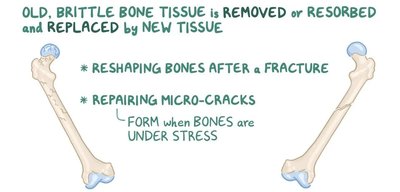
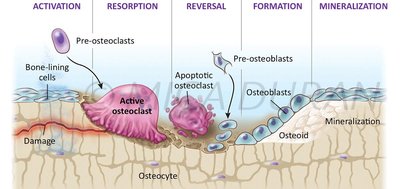
Bone remodeling is a continuous process where old bone tissue is replaced by new tissue. This process is essential for maintaining bone strength and integrity throughout life. Remodeling allows bones to adapt to stress, repair micro-damage, and regulate mineral homeostasis.
Reshaping bones after a fracture: Damaged bone is removed and replaced with new tissue.
Repairing micro-cracks: Micro-cracks form under stress and are repaired during remodeling.
Bone Growth vs. Remodeling
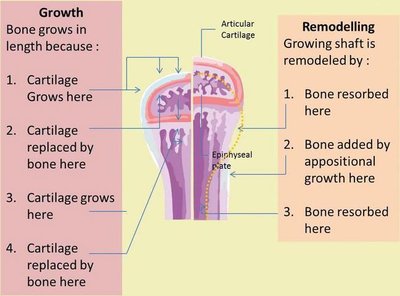
Bone growth and bone remodeling are distinct processes. Growth increases bone length and size, primarily during childhood and adolescence, while remodeling occurs throughout life to maintain bone health.
Bone growth: Occurs at the epiphyseal plates through cartilage proliferation and replacement by bone.
Bone remodeling: Involves resorption and deposition of bone tissue along the shaft.
Cellular Mechanisms of Bone Remodeling
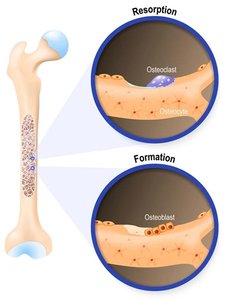
Bone remodeling is regulated by several cell types:
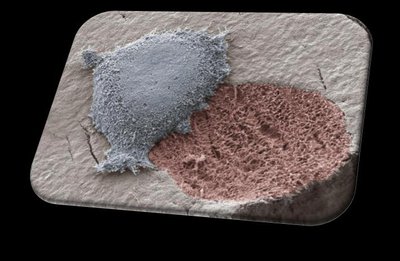
Osteoclasts: Multinucleated cells that resorb bone tissue.
Osteoblasts: Cells responsible for bone formation.
Osteocytes: Mature bone cells that sense mechanical stress and coordinate remodeling.
Effects of Exercise, Nutrition, and Hormones on Bone
Exercise and Bone Health
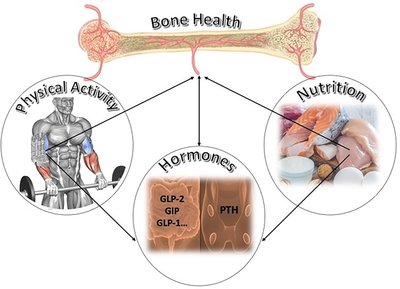
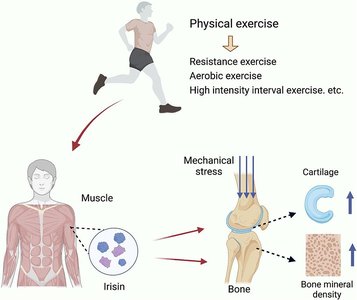
Physical activity is crucial for bone health. Weight-bearing and resistance exercises stimulate bone formation by increasing mechanical stress, which activates osteoblasts. Inactivity leads to rapid bone loss.
Irisin: A peptide secreted by skeletal muscle during exercise that stimulates osteoblast activity.
Bone density: Increases with regular exercise; decreases with immobilization.
Nutrition and Bone Health
Proper nutrition is essential for bone development and maintenance. Key nutrients include:
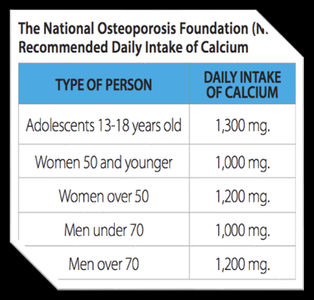
Calcium and phosphorus: Required for bone mineralization.
Vitamin D3 (cholecalciferol): Needed for calcium and phosphate absorption.
Vitamin C: Required for collagen synthesis and osteoblast differentiation.
Vitamin K: Activates proteins for bone mineralization.
Vitamin B12: Required for synthesis of bone proteins.
Vitamin A: Stimulates osteoblast activity.

Hormonal Regulation of Bone
Hormones play a significant role in bone metabolism:
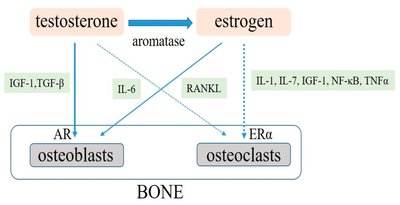
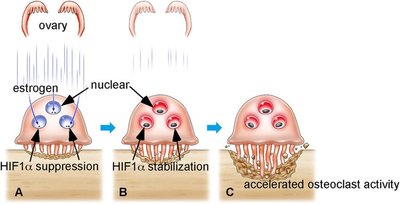
Estrogen and testosterone: Stimulate osteoblasts and inhibit osteoclasts.
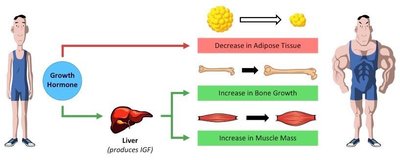
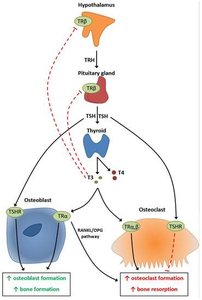
Growth hormone and thyroxine: Stimulate bone growth.
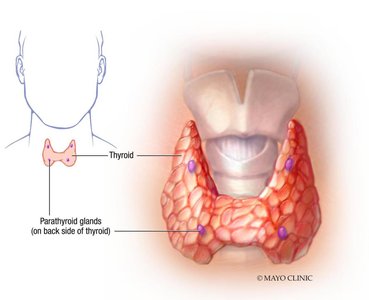
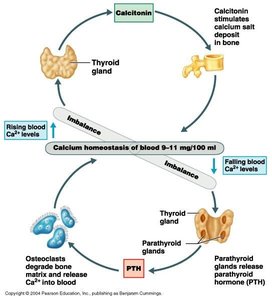
Parathyroid hormone (PTH) and calcitonin: Maintain calcium ion homeostasis.
Calcium and the Skeletal System
Role of Calcium in Bone
Calcium is the most abundant mineral in the body and is vital for many physiological processes. Bones serve as the primary calcium reserve, storing 99% of the body's calcium.
Neuromuscular excitability
Blood coagulation
Hormonal secretion
Enzymatic regulation
Fractures and Repair
Types of Fractures
Fractures are cracks or breaks in bones due to physical stress. They are classified as open (compound) or closed (simple).
Open fracture: Bone breaks through the skin.
Closed fracture: Bone does not break through the skin.
Fracture Repair Process
Fracture repair occurs in four steps:
Fracture hematoma formation: Blood clot forms at the site of injury.
Soft callus formation: Fibrocartilaginous callus bridges the gap.
Hard callus formation: Osteoblasts replace soft callus with spongy bone.
Bone remodeling: Spongy bone is replaced with stronger, lamellar bone.
Repaired bone may be slightly thicker and stronger than normal.
Effects of Aging on the Skeletal System
Bone Changes with Aging
With age, bones become thinner and weaker, a process known as osteopenia. Women lose bone mass faster than men, especially after menopause. Osteoporosis is a severe loss of bone mass that compromises normal function.
Osteopenia: Begins between ages 30 and 40; women lose 8% per decade, men 3%.
Osteoporosis: Over age 45, affects 29% of women and 18% of men.
Bone marrow changes: Increased fat deposition, reduced stem cell function.
Cellular changes: Reduced osteoblast and osteocyte function, increased osteoclast activity.
Cancer: Cancerous tissues may release osteoclast-activating factors, causing severe osteoporosis.
Case Study: Osteoporosis
Clinical Assessment and Diagnosis
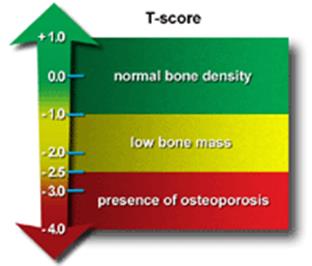
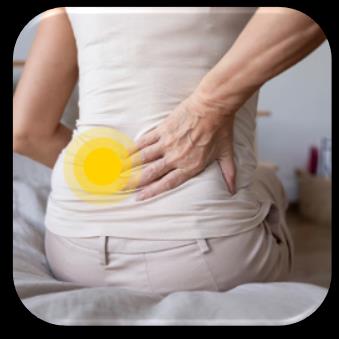
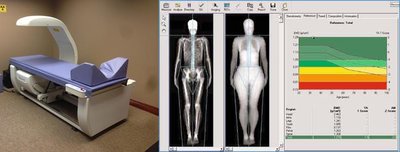
A 53-year-old female presents with back pain and decreased height. She has a family history of osteoporosis, low calcium intake, limited physical activity, and low estradiol levels. DEXA scan shows a T-score of -2.7 (lumbar spine), indicating osteoporosis.
Serum calcium: Normal
Serum phosphate: Normal
Vitamin D: Low
Parathyroid hormone: Mildly elevated
Estradiol: Low
Summary and Exit Questions
Key Questions
Which other hormones influence bone metabolism?
What is the difference between ossification and calcification?
Ossification is the process of bone formation, while calcification refers to the deposition of calcium salts in tissues. Ossification is a broader process that includes both the formation of bone matrix and its mineralization.
