 Indietro
Bone Tissue and Calcium Homeostasis: Structure, Function, and Disorders
Guida di studio - Note intelligenti
 Appunti personalizzati basati sui tuoi materiali, ampliati con definizioni chiave, esempi e contesto.
Bone Tissue and Remodeling
Overview of Bone Remodeling
Bone remodeling is a continuous process that occurs at the surfaces of both periosteum and endosteum in compact and cancellous bone. It is essential for maintaining bone strength, adapting to mechanical stress, and regulating mineral homeostasis.
Remodeling Rates: Cancellous (spongy) bone remodels at a rate of ~20–30% per year, while compact bone remodels at ~2–3% per year.
Cell Types Involved: Osteoblasts (bone builders), osteoclasts (bone resorbers), and osteocytes (mature bone cells) coordinate remodeling.
Structural Adaptation: Compact bone remodels by adding new osteons and circumferential lamellae; spongy bone reorganizes its trabeculae.
Bone Matrix Composition
The bone matrix is composed of both organic and inorganic components, each contributing to bone's mechanical properties.
Organic Matter: One-third of bone matrix consists of collagen, glycosaminoglycans, proteoglycans, glycoproteins, and bone-specific proteins, providing tensile strength and flexibility.
Inorganic Matter: Two-thirds is mainly hydroxyapatite (crystalline calcium phosphate), calcium carbonate, and other minerals, conferring resistance to compression.
Mineral Deposition and Resorption
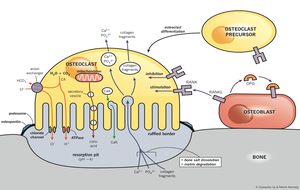
Mineral Deposition: Osteoblasts secrete osteoid (type I collagen and ground substance), which becomes mineralized as calcium and phosphate ions precipitate as hydroxyapatite crystals.
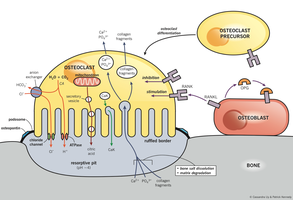
Mineral Resorption: Osteoclasts dissolve bone, releasing minerals into the blood for use elsewhere in the body.
Physiology of Osseous Tissue
Bone is a metabolically active organ, exchanging minerals with tissue fluid and influencing other organ systems, especially the nervous and muscular systems.
Calcium Storage: About 85% of the body's calcium is stored in bone as hydroxyapatite.
Fast-Exchange Pool: A small fraction (~1%) of calcium is available for rapid regulation of blood calcium levels.
Calcium Homeostasis
Importance of Calcium
Calcium is vital for nerve transmission, muscle contraction, blood coagulation, gland and nerve secretions, and cell division. Disturbances in calcium homeostasis can disrupt these processes.
Hypocalcemia: Deficiency of calcium causes excessive excitability of the nervous system, leading to muscle tremors, spasms, or tetany.
Hypercalcemia: Excess calcium makes nerve and muscle cells less excitable.
Role of Vitamins and Nutrients
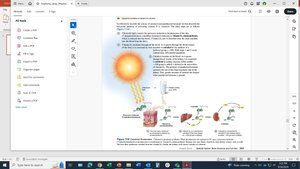
Vitamin D: Essential for intestinal absorption of calcium. Produced in the skin from 7-dehydrocholesterol via UVB sunlight, then converted to active form (calcitriol) in the liver and kidneys.
Other Nutrients: Vitamin C, E, K, magnesium, and boron assist in calcium absorption and bone mass increase.
Exercise: Promotes calcium absorption and bone health.
Hormonal Regulation of Calcium Homeostasis
Calcium homeostasis is regulated by three hormones:
Calcitriol (Active Vitamin D): Increases calcium and phosphate absorption in the intestine.
Calcitonin: Secreted by thyroid C cells; decreases blood Ca2+ by inhibiting osteoclasts, stimulating osteoblasts, and increasing renal calcium excretion.
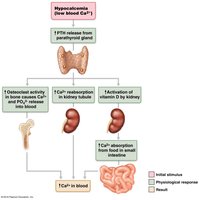
Parathyroid Hormone (PTH): Secreted by parathyroid glands; increases blood Ca2+ by stimulating bone resorption, increasing renal reabsorption, and promoting calcitriol production.
PTH Mechanism and Hierarchy of Actions
First Response: Uses exchangeable calcium pool (seconds to minutes).
Intestinal Absorption: PTH stimulates kidney to produce calcitriol, increasing intestinal Ca2+ absorption (hours).
Renal Reabsorption: Rapid reduction in urinary calcium loss (minutes to hours).
Osteoclast Activation: Bone resorption (hours to days) accesses stable calcium pool in bone matrix.
Response to Mechanical Stress
Wolff’s Law and Bone Adaptation
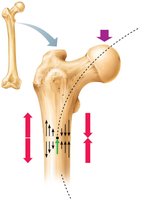
Bones adapt to mechanical stresses by remodeling their structure. Wolff’s law states that bones grow or remodel in response to the demands placed on them.
Appositional Growth: Bones become thicker and develop larger tuberosities where muscles pull.
Trabecular Alignment: Trabeculae align along lines of stress.
Compression vs. Tension: Compression side becomes denser and more mineralized; tension side becomes thicker with straighter collagen fibers.
x

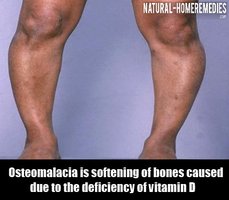
Osteomalacia
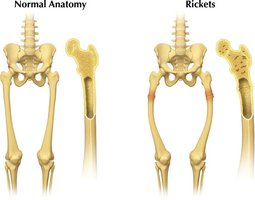
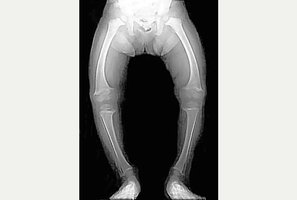
Osteomalacia is the softening of bones in adults, usually caused by vitamin D deficiency.
Symptoms: Increased risk of bowing and fractures.
Osteoporosis
Osteoporosis is a generalized skeletal disorder characterized by low bone mass and deterioration of bone architecture, leading to increased fracture risk.
Type I (Postmenopausal): Develops in women after menopause due to decreased estrogen.
Type II (Senile): Occurs after age 70, affecting women twice as frequently as men.
Summary Table: Hormonal Regulation of Calcium Homeostasis
Hormone | Source | Main Actions |
|---|---|---|
Calcitriol (Vitamin D) | Kidney (active form) | Increases intestinal absorption of Ca2+ and PO43- |
Calcitonin | Thyroid C cells | Inhibits osteoclasts, stimulates osteoblasts, increases renal excretion of Ca2+ |
PTH | Parathyroid glands | Stimulates bone resorption, increases renal reabsorption, promotes calcitriol production |
Key Equations
Carbonic Anhydrase Reaction:
Hydroxyapatite Formation:
Additional info:
Expanded explanations of bone matrix composition and hormonal regulation were added for academic completeness.
Table summarizing hormonal regulation was inferred for clarity and exam preparation.
