 Indietro
Cells: The Living Units – Structure, Function, and Membrane Dynamics
Guida di studio - Note intelligenti
 Appunti personalizzati basati sui tuoi materiali, ampliati con definizioni chiave, esempi e contesto.
Introduction to Cells
Definition and Importance of Cells
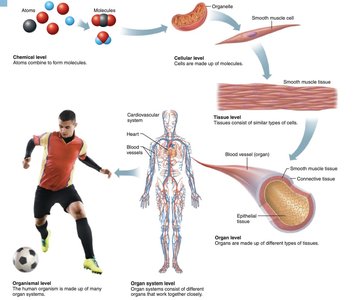
Cells are the smallest structural and functional units of life, capable of independent replication. They contain cytoplasm, are enclosed by a plasma membrane, and house biomolecules such as proteins and nucleic acids. The human body consists of 50 to 100 trillion cells, each specialized for distinct functions.
Cell Theory: All living organisms are composed of cells; cells arise only from pre-existing cells.
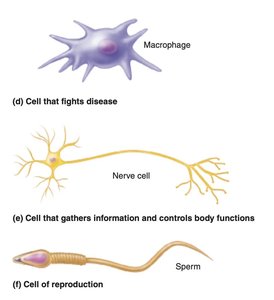
Cell Diversity: Over 250 types of human cells exist, differing in size, shape, and subcellular components, which determine their function.
Major Regions of a Generalized Cell
Structural Components and Functions
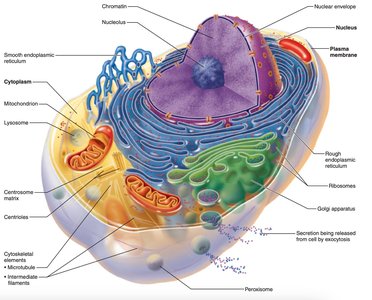
A generalized cell consists of three major regions:
Nucleus: The control center containing DNA, regulating gene expression and directing cell activities.
Cytoplasm: The intracellular fluid containing organelles, providing a site for cellular processes such as energy production and protein synthesis.
Plasma Membrane: The flexible outer boundary separating intracellular and extracellular environments, controlling what enters and leaves the cell.
Extracellular Materials
Composition and Function
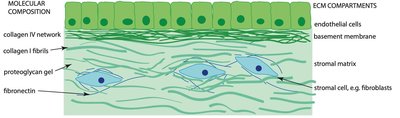
Extracellular materials surround cells, providing structural and biochemical support. They include:
Extracellular Matrix (ECM): A network of proteins and carbohydrates (collagen, elastin, proteoglycans) that provides structural support and acts as "cell glue."
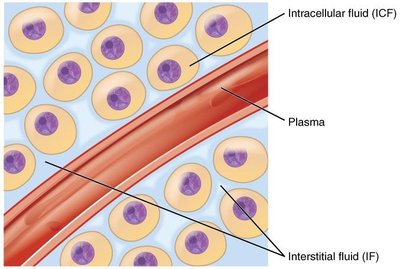
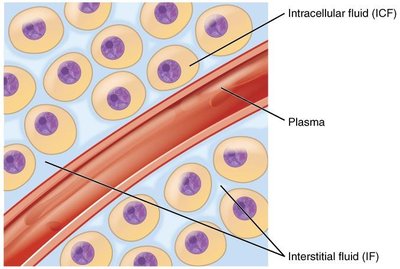
Extracellular Fluid (ECF): Fluid surrounding cells, including interstitial fluid, blood plasma, and cerebrospinal fluid, which dissolves and transports substances.
Plasma Membrane Structure and Composition
Chemical Composition
The plasma membrane separates intracellular fluid from extracellular fluid and is composed of:
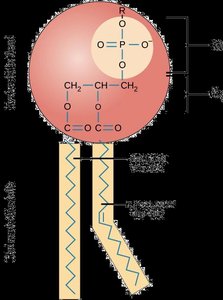
Lipids: Phospholipids (form bilayer), cholesterol (provides stability), glycolipids (cell recognition).
Proteins: Integral (embedded, act as channels/carriers), peripheral (surface, support membrane function).
Carbohydrates: Glycoproteins and glycolipids (cell recognition and adhesion).
Membrane Proteins and Their Functions
Types and Roles
Membrane proteins perform a variety of tasks essential for cell function:
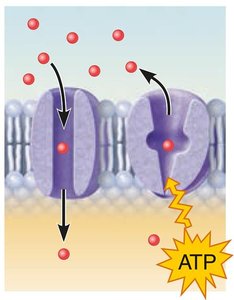
Transport: Channels and carriers regulate entry and exit of substances.
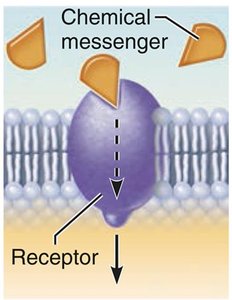
Receptors: Receive and transmit signals from the environment (signal transduction).
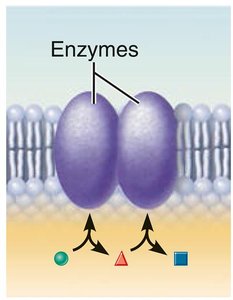
Enzymatic Activity: Catalyze metabolic reactions.
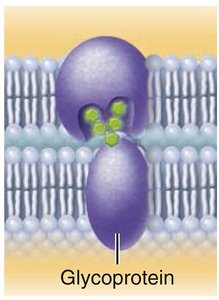
Cell-Cell Recognition: Glycoproteins serve as identification tags.
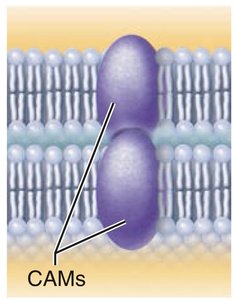
Cell-to-Cell Joining: Form intercellular junctions (tight junctions, gap junctions).
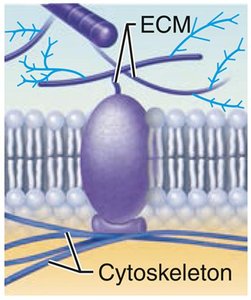
Attachment: Anchor cytoskeleton and ECM, maintaining cell shape and facilitating movement.
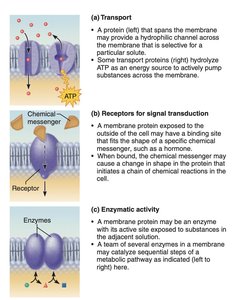
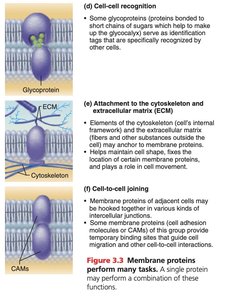
Plasma Membrane Functions
Key Roles
Selective Permeability: Regulates passage of substances.
Cell Signaling: Receives and transmits environmental signals.
Cell Adhesion: Connects cells to form tissues and organs.
Protection: Maintains cell integrity and acts as a barrier.
Cell Junctions
Types and Functions
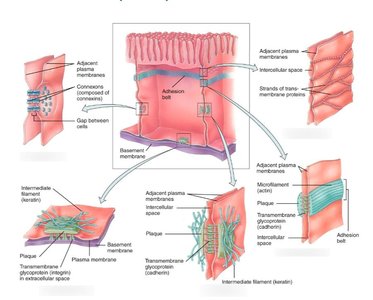
Cell junctions are specialized structures connecting cells, enabling communication and maintaining tissue integrity. Three main types:
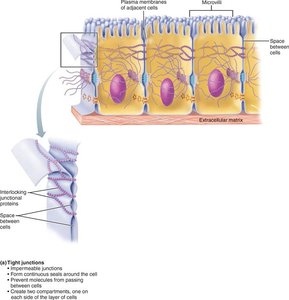
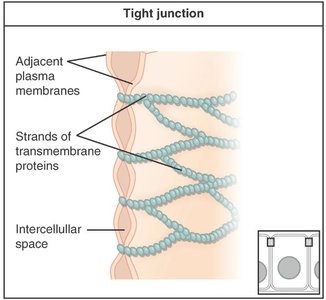
Tight Junctions: Form a tight seal, preventing leakage of molecules between cells. Common in epithelial tissues (e.g., digestive tract lining).
Desmosomes: Provide strong adhesion via intermediate filaments, abundant in tissues subject to mechanical stress (e.g., skin, heart muscle).
Gap Junctions: Form water-filled channels for direct communication, essential for synchronized contractions in heart muscle and nerve impulse transmission.
Membrane Transport
Passive and Active Transport
Substances cross the plasma membrane via:
Passive Transport: No energy required; includes simple diffusion, facilitated diffusion, and osmosis.
Active Transport: Requires energy (ATP); includes primary and secondary active transport.
Passive Transport Mechanisms
Simple Diffusion: Movement of small, nonpolar molecules (e.g., O2, CO2) directly through the lipid bilayer.
Facilitated Diffusion: Movement of large, polar molecules (e.g., glucose, amino acids, ions) via membrane proteins.
Osmosis: Movement of water across a selectively permeable membrane, from low solute to high solute concentration.
Active Transport Mechanisms
Primary Active Transport: Uses ATP directly (e.g., Na+/K+ pump).
Secondary Active Transport: Uses energy stored in ionic gradients.
Membrane Potential
Establishment and Maintenance
Membrane potential is the difference in electrical charge across the plasma membrane, essential for nerve impulse transmission and muscle contraction. It is established by:
Unequal ion distribution (Na+, K+, Cl-).
Selective permeability of the membrane.
Sodium-potassium pump: 3 Na+ out, 2 K+ in.
Cell Adhesion Molecules and Membrane Receptors
Cellular Interaction and Signaling
Cell Adhesion Molecules (CAMs): Enable cell-cell and cell-matrix interactions, guide cell migration, and stimulate junction formation.
Membrane Receptors: Bind signaling molecules (ligands) and initiate intracellular responses (signal transduction, growth, immune response).
G Protein-Coupled Receptors (GPCRs): Activate intracellular signaling pathways, involved in vision, taste, smell, and neurotransmission.
Recap: Key Concepts
Cells are the basic units of life.
Major cell regions: nucleus, cytoplasm, plasma membrane.
Plasma membrane: selective barrier composed of lipids, proteins, carbohydrates.
Transport mechanisms: passive and active transport.
Endocytosis and exocytosis: cellular uptake and release.
Membrane potential: electrical charge difference across membrane.
Cell adhesion molecules: enable cell-cell and cell-matrix interactions.
Membrane receptors: mediate cell signaling and communication.
