 Indietro
Chapter 1: The Human Body – An Orientation (Mini-Textbook Study Notes)
Guida di studio - Note intelligenti
 Appunti personalizzati basati sui tuoi materiali, ampliati con definizioni chiave, esempi e contesto.
The Human Body: An Orientation
Introduction
This chapter introduces the foundational concepts of human anatomy and physiology, focusing on the structure and function of the human body, its levels of organization, necessary life functions, survival needs, and the principle of homeostasis. Understanding these basics is essential for further study in Anatomy & Physiology.
Form and Function of Anatomy & Physiology
Definitions and Subdivisions
Anatomy: The study of the structure of body parts and their relationships to one another.
Physiology: The study of the function of body parts; how they work to carry out life-sustaining activities.
Subdivisions of anatomy include:
Gross (macroscopic) anatomy: Study of large, visible structures.
Regional anatomy: Examines all structures in a particular area.
System anatomy: Focuses on one system (e.g., cardiovascular, nervous).
Surface anatomy: Studies internal structures as they relate to the skin.
Microscopic anatomy: Includes cytology (cells) and histology (tissues).
Developmental anatomy: Studies anatomical and physiological development throughout life, including embryology.
Subdivisions of physiology are based on organ systems and often focus on cellular and molecular levels.
Principle of Complementarity
The principle of complementarity states that anatomy and physiology are inseparable: function always reflects structure, and what a structure can do depends on its specific form.
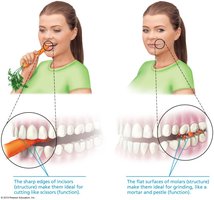
Example: The sharp edges of incisors (structure) make them ideal for cutting food (function), while the flat surfaces of molars are suited for grinding.
Levels of Structural Organization
Hierarchy of Complexity
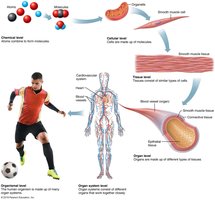
The human body is organized from the smallest chemical level to the whole organism:
Chemical level: Atoms, molecules, and organelles.
Cellular level: Single cells.
Tissue level: Groups of similar cells.
Organ level: Contains two or more types of tissues.
Organ system level: Organs that work closely together.
Organismal level: All organ systems combined to make the whole organism.
Requirements for Life
Necessary Life Functions
To maintain life, the human body must perform several essential functions:
Maintaining boundaries: Separation between internal and external environments (e.g., plasma membranes, skin).
Movement: Muscular system allows movement of body parts and substances; contractility refers to movement at the cellular level.
Responsiveness: Ability to sense and respond to stimuli (e.g., withdrawal reflex, control of breathing rate).
Digestion: Breakdown of ingested foodstuffs and absorption of simple molecules into blood.
Metabolism: All chemical reactions in body cells; includes catabolism (breakdown) and anabolism (synthesis).
Excretion: Removal of wastes from metabolism and digestion (e.g., urea, carbon dioxide, feces).
Reproduction: Division of cells for growth or repair; production of offspring at the organismal level.
Growth: Increase in size of a body part or organism.
Humans are multicellular, and organ systems are designed to service the cells. There are 11 organ systems that work together to maintain life.
Interrelationships Among Body Organ Systems
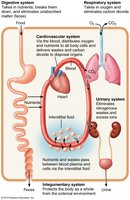
Organ systems interact to maintain homeostasis and support cellular function. For example, the cardiovascular system distributes oxygen and nutrients, while the digestive system provides nutrients and the respiratory system supplies oxygen.
The Body’s Organ Systems and Their Major Functions
Overview of Organ Systems
The human body consists of 11 major organ systems, each with specific functions:
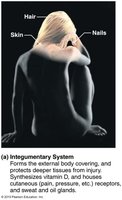
Integumentary System: Protects the body, synthesizes vitamin D, and houses receptors and glands.
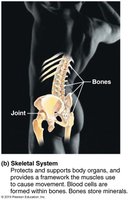
Skeletal System: Supports and protects organs, provides framework for movement, forms blood cells, stores minerals.
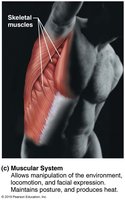
Muscular System: Allows movement, maintains posture, produces heat.
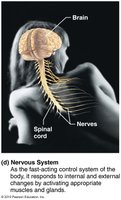
Nervous System: Fast-acting control system, responds to changes by activating muscles and glands.
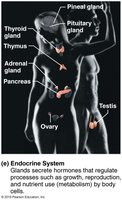
Endocrine System: Glands secrete hormones that regulate growth, reproduction, metabolism.
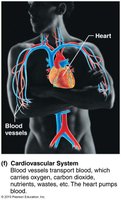
Cardiovascular System: Transports blood, carries oxygen, nutrients, wastes; heart pumps blood.
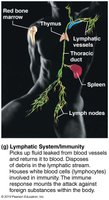
Lymphatic System/Immunity: Returns fluid to blood, disposes debris, houses white blood cells, mounts immune response.
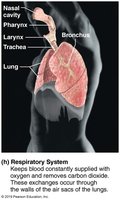
Respiratory System: Keeps blood supplied with oxygen, removes carbon dioxide.
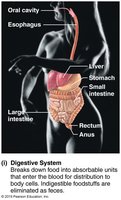
Digestive System: Breaks down food, absorbs nutrients, eliminates indigestible food.
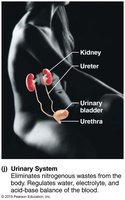
Urinary System: Eliminates wastes, regulates water, electrolyte, and acid-base balance.
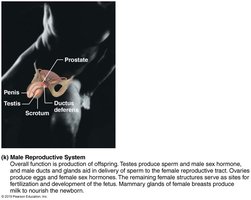
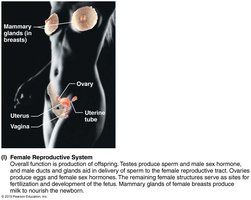
Reproductive System: Produces offspring, sex hormones, and aids in delivery of gametes.
Survival Needs
Essential Factors for Survival
Humans require several factors for survival, which must be present in appropriate amounts:
Nutrients: Chemicals for energy and cell building (carbohydrates, proteins, fats, minerals, vitamins).
Oxygen: Essential for releasing energy from foods; survival without oxygen is limited to a few minutes.
Water: Most abundant chemical in the body; provides environment for chemical reactions and is the fluid base for secretions and excretions.
Normal body temperature: Chemical reactions are affected if temperature deviates from 37°C.
Appropriate atmospheric pressure: Required for adequate breathing and gas exchange in the lungs.
Homeostasis
Definition and Importance
Homeostasis is the maintenance of relatively stable internal conditions despite continuous changes in the environment. It is a dynamic state of equilibrium, maintained by contributions of all organ systems.
Homeostatic Controls
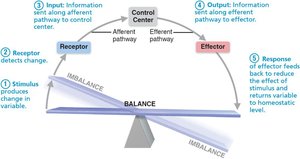
Homeostatic control involves three components:
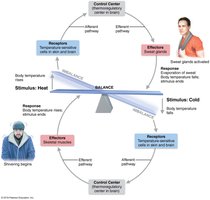
Receptor (sensor): Monitors environment and responds to stimuli.
Control center: Determines set point, receives input, and determines response.
Effector: Receives output and provides the means to respond, either reducing (negative feedback) or enhancing (positive feedback) the stimulus.
Negative Feedback
Most-used feedback mechanism in the body. The response reduces or shuts off the original stimulus, causing the variable to change in the opposite direction of the initial change.
Examples: Regulation of body temperature (nervous system), regulation of blood glucose by insulin (endocrine system).
Process: Receptors sense increased blood glucose, pancreas secretes insulin, cells absorb more glucose, blood glucose decreases.
Positive Feedback
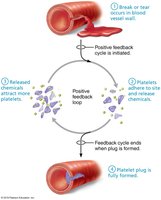
Response enhances or exaggerates the original stimulus, often exhibiting a cascade or amplifying effect. Usually controls infrequent events that do not require continuous adjustment.
Examples: Enhancement of labor contractions by oxytocin, platelet plug formation and blood clotting.
Homeostatic Imbalance
Disturbance of homeostasis increases risk of disease and contributes to changes associated with aging. If negative feedback mechanisms become overwhelmed, destructive positive feedback mechanisms may take over, leading to conditions such as heart failure.
Summary Table: Levels of Structural Organization
Level | Description | Example |
|---|---|---|
Chemical | Atoms combine to form molecules | Water, proteins |
Cellular | Molecules form cells | Muscle cell |
Tissue | Groups of similar cells | Muscle tissue |
Organ | Contains two or more types of tissues | Heart |
Organ System | Organs working together | Cardiovascular system |
Organismal | All organ systems combined | Human body |
Summary Table: Homeostatic Control Components
Component | Function |
|---|---|
Receptor | Detects change in variable |
Control Center | Receives input, determines response |
Effector | Acts to restore balance |
Key Equations
Metabolism: Sum of catabolism and anabolism
Homeostasis: Dynamic equilibrium maintained by feedback mechanisms
Additional info: Academic context was added to expand brief points and clarify relationships between structure and function, levels of organization, and homeostatic mechanisms.
