 Indietro
Chapter 21: The Immune System – Innate and Adaptive Body Defenses
Guida di studio - Note intelligenti
 Appunti personalizzati basati sui tuoi materiali, ampliati con definizioni chiave, esempi e contesto.
The Immune System: Innate and Adaptive Body Defenses
Overview of Immunity
The immune system protects the body from disease through two main defense systems: innate (nonspecific) and adaptive (specific) immunity. These systems work together to resist pathogens and maintain health.
Innate Immunity: Provides immediate, nonspecific defense against pathogens.
Adaptive Immunity: Targets specific pathogens and develops memory for future protection.
Innate Defenses: Surface Barriers
Surface barriers are the first line of defense, preventing pathogen entry.
Skin: Keratin resists acids, bases, enzymes, and toxins.
Mucous Membranes: Trap pathogens; cilia and mucus in respiratory tract remove debris.
Protective Chemicals: Skin acidity, sebum, sweat, stomach acid, lysozyme, and mucus inhibit or destroy microorganisms.
Innate Defenses: Internal Defenses
If pathogens breach surface barriers, internal defenses are activated.
Phagocytes: Macrophages and neutrophils engulf and destroy pathogens.
Natural Killer (NK) Cells: Target cells lacking "self" markers, induce apoptosis, and enhance inflammation.
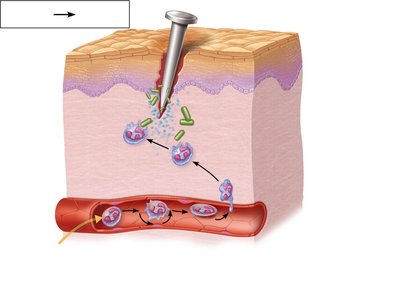
Inflammation: Local response to injury or infection, characterized by redness, heat, swelling, pain, and sometimes loss of function.
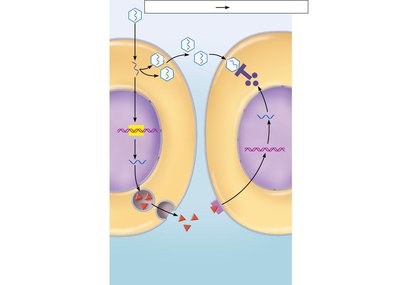
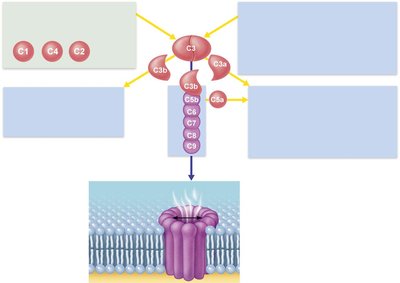
Antimicrobial Proteins: Interferons and complement proteins attack pathogens and hinder their reproduction.
Fever: Systemic response that increases metabolic rate and sequesters nutrients from pathogens.
Inflammatory Response
Inflammation is triggered by tissue injury or infection and involves a series of steps to contain and eliminate pathogens.
Vasodilation: Increases blood flow (hyperemia) and brings immune cells to the site.
Increased Vascular Permeability: Allows exudate (fluid with proteins and antibodies) to enter tissues, causing edema.
Phagocyte Mobilization: Neutrophils and macrophages migrate to the site via leukocytosis, margination, diapedesis, and chemotaxis.
Antimicrobial Proteins: Interferons and Complement
Antimicrobial proteins are crucial for inhibiting pathogen replication and enhancing immune responses.
Interferons (IFNs): Produced by infected cells, IFNs stimulate neighboring cells to produce antiviral proteins and activate immune cells.
Complement System: A group of blood proteins that, when activated, enhance inflammation, promote phagocytosis, and cause cell lysis.
Adaptive Defenses: Humoral and Cellular Immunity
The adaptive immune system provides specific, long-lasting protection through two main mechanisms.
Humoral Immunity: B cells produce antibodies that target extracellular pathogens.
Cellular Immunity: T cells target infected or abnormal cells.
Antigens and Antigenic Determinants
Antigens are substances that provoke an immune response. Antigenic determinants are specific regions of an antigen recognized by antibodies and lymphocyte receptors.
Complete Antigens: Proteins, polysaccharides, lipids, and nucleic acids.
Haptens: Small molecules that become immunogenic when attached to body proteins.

Antibodies: Structure and Function
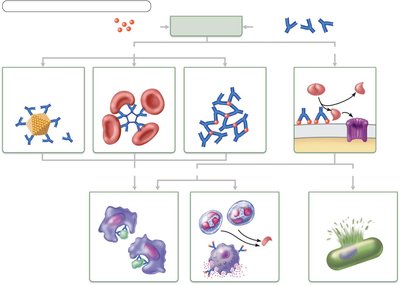
Antibodies (immunoglobulins) are proteins produced by plasma cells that bind specifically to antigens.
Structure: Y-shaped molecules with variable regions for antigen binding and constant regions determining class and function.
Classes: IgM, IgA, IgD, IgG, IgE.
Functions: Neutralization, agglutination, precipitation, and complement fixation.
Major Histocompatibility Complex (MHC) Proteins
MHC proteins are self-antigens displayed on cell surfaces, essential for immune recognition.
Class I MHC: Found on all nucleated cells; present endogenous antigens to cytotoxic T cells.
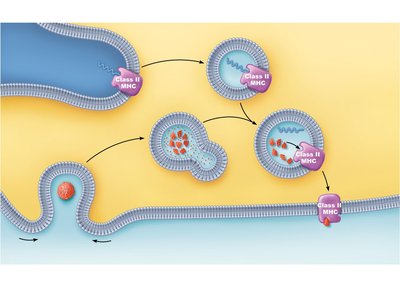
Class II MHC: Found on antigen-presenting cells (APCs); present exogenous antigens to helper T cells.
Cell-Mediated Immune Response
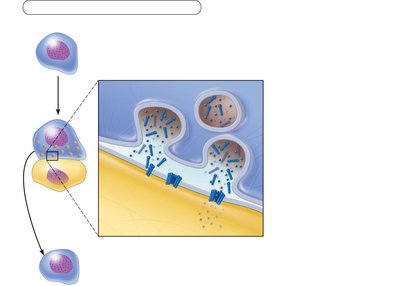
T cells defend against intracellular pathogens and abnormal cells. Activation requires antigen presentation and co-stimulation.
Helper T Cells (CD4): Activate B cells, other T cells, and macrophages.
Cytotoxic T Cells (CD8): Destroy infected or abnormal cells by releasing perforins and granzymes.
Regulatory T Cells: Suppress immune responses to prevent autoimmunity.
Immunological Memory and Immunity Types
The adaptive immune system develops memory for faster, stronger responses upon re-exposure to the same antigen.
Primary Response: First exposure, slower and less robust.
Secondary Response: Subsequent exposures, rapid and intense due to memory cells.
Active Immunity: Acquired through infection or vaccination; involves antibody production.
Passive Immunity: Acquired by receiving antibodies; temporary protection.
Immune Disorders
Immune system dysfunction can lead to disease.
Immunodeficiencies: Impaired immune function (e.g., AIDS).
Autoimmune Diseases: Immune system attacks self-tissues (e.g., lupus, rheumatoid arthritis).
Hypersensitivities: Excessive immune responses to harmless antigens (e.g., allergies, anaphylactic shock).
Developmental Aspects of Immunity
Immune function changes throughout life, with newborns relying on passive immunity and aging leading to decreased immune efficiency.
