 Indietro
Chapter 24: Nutrition and Metabolism – Anatomy & Physiology Study Guide
Guida di studio - Note intelligenti
 Appunti personalizzati basati sui tuoi materiali, ampliati con definizioni chiave, esempi e contesto.
Nutrition and Metabolism
Body Weight and Energy Balance
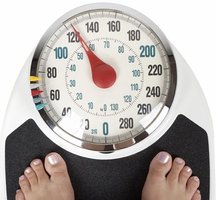
Body weight is regulated by a balance between energy intake and energy output, with a homeostatic set point determined by both heredity and lifestyle factors. Approximately 30-50% of individual variation in body weight is due to genetics, while the remainder is influenced by eating and exercise habits.
Calories and Nutrient Types
Calories are units of energy; one calorie is the amount of heat required to raise the temperature of 1 gram of water by 1°C. In nutrition, 1000 calories is a kilocalorie (kcal) or Calorie. Fats provide about 9 kcal/g, while carbohydrates and proteins provide about 4 kcal/g.
Macronutrients: Consumed in large amounts (carbohydrates, fats, proteins).
Micronutrients: Needed in small amounts (minerals, vitamins).


Essential Nutrients and RDA
Essential nutrients cannot be synthesized by the body and must be obtained from the diet. These include certain minerals, vitamins, 8 essential amino acids, and 1-3 essential fatty acids. The Recommended Daily Allowance (RDA) is a safe estimate of daily intake for standard nutritional needs.
Carbohydrates
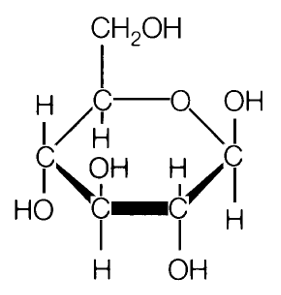
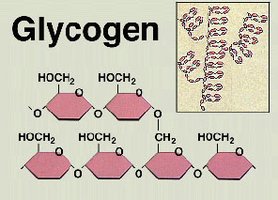
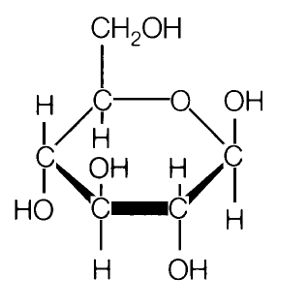
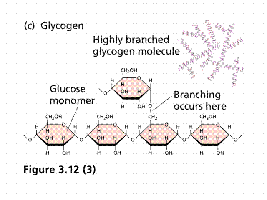
Carbohydrates, also known as saccharides, are organic compounds with the formula (CH2O). In the body, carbohydrates are present as blood glucose and glycogen, a glucose polymer used for energy storage. Blood glucose is tightly regulated by the hormones insulin and glucagon.
Dietary Sources and RDA
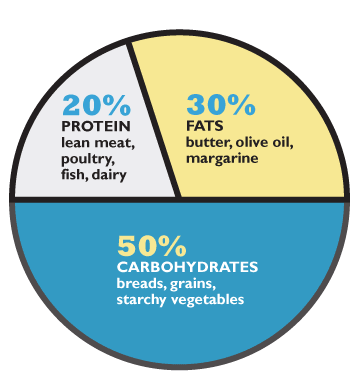
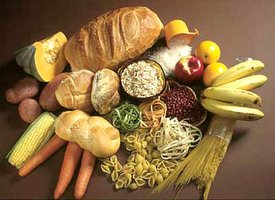
Most dietary carbohydrates come from plants, including grains, legumes, fruits, and root vegetables. Common sugars include sucrose (table sugar), fructose (fruits, corn syrup), maltose (cereal), and lactose (milk). Intake should focus on complex carbohydrates, which provide additional nutrients, rather than simple sugars.
Carbohydrate Metabolism
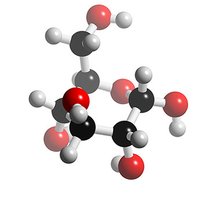
Dietary carbohydrates are metabolized rapidly after eating. The main reaction is:
This reaction transfers energy from glucose to ATP, the cell's energy currency.
Cellular Respiration
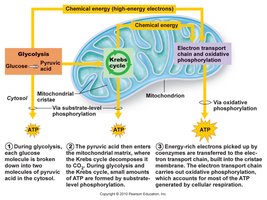
Cellular respiration is the breakdown of glucose in a series of steps to efficiently transfer energy to ATP. The three main reactions are:
Glycolysis
Krebs Cycle
Electron Transport Chain
Glycogenesis, Glycogenolysis, and Gluconeogenesis
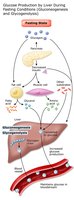
Excess glucose is stored as glycogen (glycogenesis), stimulated by insulin and epinephrine. Glycogenolysis is the breakdown of glycogen to glucose, stimulated by glucagon during fasting. Gluconeogenesis is the synthesis of glucose from non-carbohydrate sources when glycogen stores are depleted.
Dietary Fiber
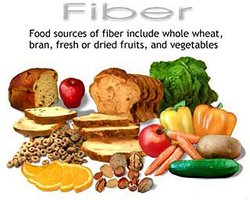
Dietary fiber is fibrous material that resists digestion. It is important for digestive health, absorbing water, softening stool, increasing bulk, and stimulating peristalsis. Fiber also lowers blood cholesterol.
Lipids
Lipids include fats, phospholipids, and steroids. They are the body's main energy storage form, are hydrophobic, and provide twice the energy per gram as carbohydrates. Lipids are also important for protein sparing and absorption of fat-soluble vitamins (A, D, E, K).
Functions of Lipids
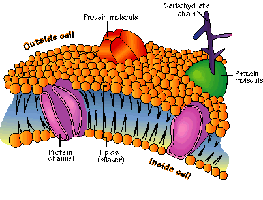
Structural: Phospholipids and cholesterol are components of plasma membranes.
Chemical precursors: Cholesterol is a precursor for steroids, bile salts, and vitamin D; fatty acids are precursors for prostaglandins and eicosanoids.
Fat Requirements and Sources
Most fatty acids are synthesized by the body, but essential fatty acids must be consumed. Saturated fats are mainly from animal sources, while unsaturated fats are found in nuts, seeds, and vegetable oils. Cholesterol is present in egg yolks, cream, shellfish, and organ meats. Dietary fat should be less than 30% of daily calorie intake.

Lipid Metabolism: Lipolysis and Lipogenesis
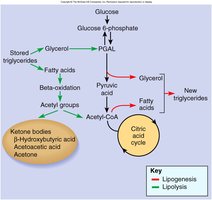
Triglycerides are stored in adipocytes. Lipolysis is the breakdown of fat for fuel, while lipogenesis is the synthesis of fat from other sources such as amino acids and sugars.
Ketosis
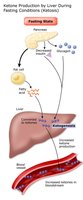
Ketosis occurs when the liver produces ketone bodies during fasting or carbohydrate deprivation, which can be used as an alternative energy source.
Serum Lipoproteins
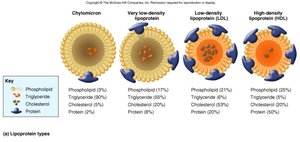
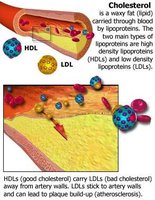
Lipids are transported in the blood as lipoproteins, which are categorized by density. The four main types are chylomicrons, VLDL, LDL, and HDL.
Lipoprotein Processing
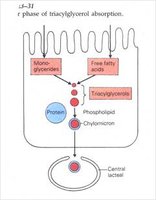
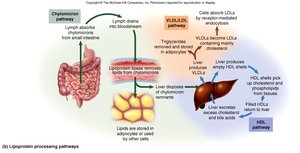
Chylomicrons form in the small intestine and transport dietary fats. VLDL is produced by the liver to transport lipids to adipose tissue, becoming LDL after triglycerides are removed. HDL is produced by the liver and removes cholesterol from arteries.
Desirable Lipoprotein Levels
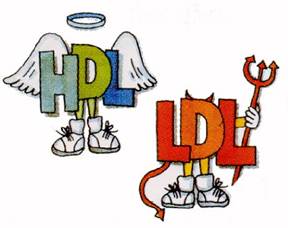
High HDL levels indicate cholesterol removal from arteries, while high LDL levels correlate with cholesterol deposition and plaque formation.
Proteins
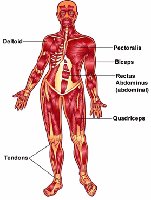
Proteins make up 12-15% of body mass, mostly in skeletal muscles. They are essential for muscle contraction, cell membranes, fibrous and globular proteins, and plasma proteins that regulate blood osmolarity and viscosity.
Requirements and Dietary Sources
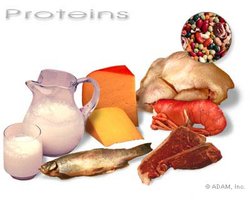
The RDA for protein is 44-60 g/day. Nutritional value depends on the proportions of amino acids. Complete proteins supply all essential amino acids and are found in animal sources, while plant sources must be combined for completeness.
Protein Metabolism
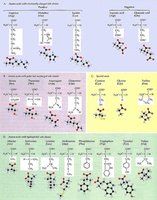
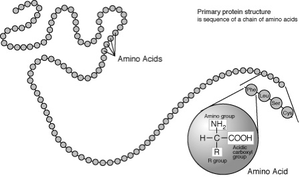
Amino acids are used to synthesize new proteins. As fuel, amino acids must be deaminated, producing ammonia, which is converted to urea by the liver and excreted in urine.
Minerals
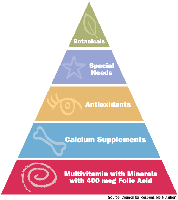
Minerals are essential for various body functions. Calcium and phosphorus are important for bones and teeth, phosphorus is a component of phospholipids, ATP, and nucleic acids, and other minerals act as enzyme cofactors. Iron is essential for hemoglobin and myoglobin, and chlorine is a component of stomach acid.
Dietary Sources
Minerals are found in vegetables, legumes, milk, eggs, fish, and shellfish. Animal tissues contain large amounts of salt, while herbivores often supplement by ingesting soils. Recommended sodium intake is 1.1 g/day, but typical American diets contain much more.
Vitamins
Some vitamins are synthesized from precursors in the body. Water-soluble vitamins (C, B) are absorbed with water, while fat-soluble vitamins (A, D, E, K) are absorbed with dietary lipids.
Appetite Regulators
Several hormones regulate appetite:
Leptin: Secreted by adipocytes, decreases appetite.
Ghrelin: Produced by stomach, stimulates hunger.
Peptide YY (PYY): Secreted by ileum, induces satiety.
Insulin: Secreted by pancreatic beta cells, has a weak appetite-suppressing effect.
Obesity
Obesity is defined as being 20% above the recommended norm for age, sex, and weight. Body Mass Index (BMI) is used to classify weight status:
BMI = 20-25: Optimal
BMI > 25: Overweight
BMI > 30: Obese
Absorptive and Postabsorptive States
The absorptive state lasts about 4 hours after a meal, during which nutrients are absorbed and used for energy. The postabsorptive state occurs between meals, when stored fuels are mobilized to maintain blood glucose levels.
Regulation
Absorptive state: Regulated by insulin, which increases cellular uptake of glucose and stimulates glycolysis, glycogenesis, lipogenesis, and protein synthesis.
Postabsorptive state: Regulated by glucagon, which stimulates glycogenolysis and gluconeogenesis to raise blood glucose levels.
Metabolic Rate
Metabolic rate is the amount of energy used by the body in a given period (kcal/hr or kcal/day). Basal metabolic rate (BMR) is measured under relaxed, awake, fasting conditions at comfortable room temperature. Adult male BMR is about 2000 kcal/day.
Factors Affecting Metabolic Rate
Size
Gender
Age
Pregnancy
Anxiety
Fever
Eating
Thyroid hormones
Depression
Exercise
Muscle/Fat mass
Activity level
Body temperature
Summary Table: Macronutrients and Their Functions
Macronutrient | Function | Dietary Source |
|---|---|---|
Carbohydrates | Energy, storage (glycogen) | Grains, fruits, vegetables |
Fats | Energy storage, cell membranes, precursors | Meat, dairy, oils, nuts |
Proteins | Structure, enzymes, muscle contraction | Meat, eggs, dairy, legumes |
Summary Table: Lipoprotein Types
Lipoprotein | Main Function | Health Impact |
|---|---|---|
Chylomicron | Transport dietary fats | Neutral |
VLDL | Transport triglycerides from liver | Can become LDL |
LDL | Deliver cholesterol to cells | High levels increase risk of atherosclerosis |
HDL | Remove cholesterol from arteries | High levels are protective |
