 Indietro
Chapter 24: Nutrition, Metabolism, and Energy Balance – Study Notes
Guida di studio - Note intelligenti
 Appunti personalizzati basati sui tuoi materiali, ampliati con definizioni chiave, esempi e contesto.
Nutrition and Body Weight
Body Weight Regulation
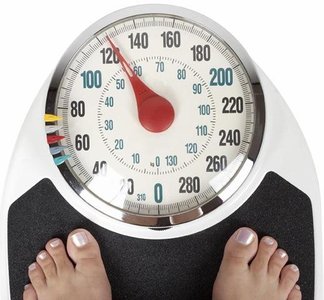
Body weight is maintained when energy intake equals energy output, reflecting a homeostatic set point. Heredity accounts for 30-50% of individual variation, while eating and exercise habits contribute to the rest.
Homeostatic set point: The body's tendency to maintain a stable weight.
Heredity: Genetic factors influence body weight.
Behavioral factors: Diet and physical activity are major contributors.
Calories and Nutrients
Caloric Content and Types of Nutrients
Calories measure the energy content of food. One calorie is the heat required to raise 1 g of water by 1°C. Fats provide about 9 kcal/g, while carbohydrates and proteins provide about 4 kcal/g. Nutrients are classified as macronutrients (needed in large amounts) and micronutrients (needed in small amounts).
Macronutrients: Carbohydrates, fats, proteins
Micronutrients: Minerals, vitamins
Essential nutrients: Cannot be synthesized by the body; must be obtained from diet
RDA: Recommended daily allowances are safe estimates for daily intake

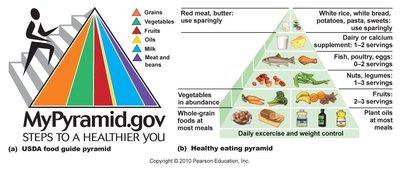
Food Guide Pyramid
The food guide pyramid illustrates recommended proportions of different food groups for a balanced diet.
Carbohydrates
Structure and Function
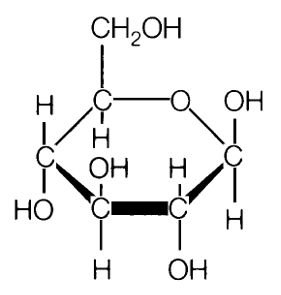
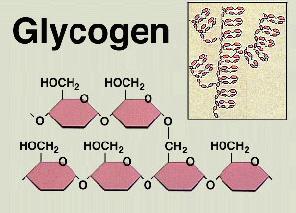
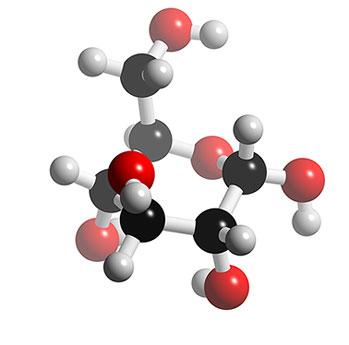
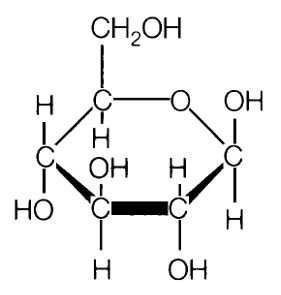
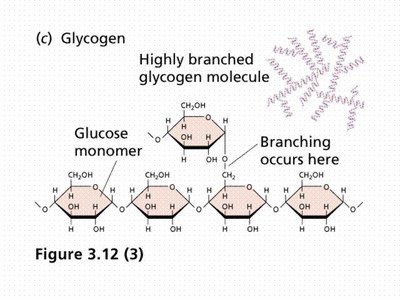
Carbohydrates, also known as saccharides, are organic compounds with the formula (CH2O). They are present in the body as blood glucose and glycogen, a glucose polymer used for energy storage. Blood glucose is regulated by insulin and glucagon.
Blood glucose: C6H12O6
Glycogen: Polymer of glucose, stored in liver and muscles
Regulation: Insulin lowers blood glucose; glucagon raises it
Dietary Sources and RDA
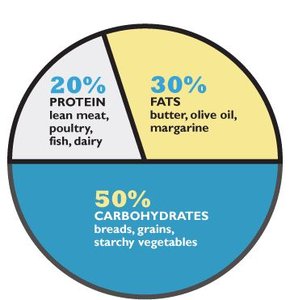
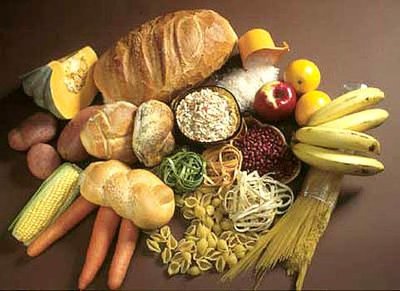
Most dietary carbohydrates come from plants, including grains, legumes, fruits, and root vegetables. Intake should favor complex carbohydrates over simple sugars.
Complex carbohydrates: Provide additional nutrients and fiber
Simple sugars: Sucrose (table sugar), fructose (fruits, corn syrup), maltose (cereal), lactose (milk)
RDA: Carbohydrates have the highest recommended daily intake among nutrients
Carbohydrate Metabolism
Dietary carbohydrates are metabolized rapidly after absorption. The main reaction is cellular respiration, which transfers energy from glucose to ATP.
Cellular respiration equation:
Energy transfer: Glucose is broken down in a series of steps to produce ATP
Cellular Respiration Steps
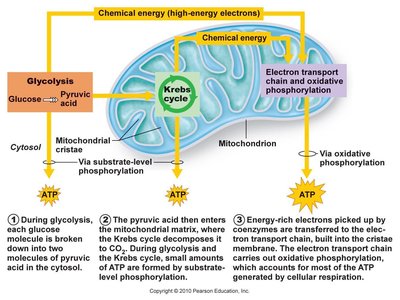
Cellular respiration consists of three main reactions: glycolysis, Krebs cycle, and electron transport chain. These steps efficiently transfer energy from glucose to ATP.
Glycolysis: Occurs in cytosol; breaks glucose into pyruvic acid
Krebs cycle: Occurs in mitochondria; further breaks down pyruvic acid
Electron transport chain: Produces most ATP via oxidative phosphorylation
Glycogenesis, Glycogenolysis, and Gluconeogenesis
Excess glucose is stored as glycogen (glycogenesis), stimulated by insulin and epinephrine. Glycogenolysis is the breakdown of glycogen to glucose, stimulated by glucagon during fasting. Gluconeogenesis is the synthesis of glucose from noncarbohydrate sources when glycogen stores are depleted.
Glycogenesis: Glucose → Glycogen
Glycogenolysis: Glycogen → Glucose
Gluconeogenesis: Formation of glucose from fats and amino acids
Dietary Fiber
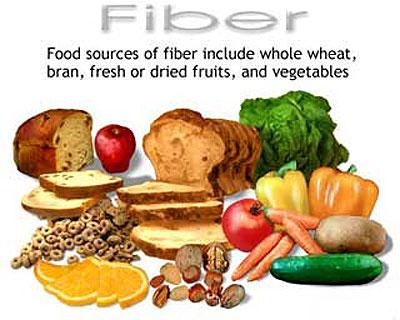
Dietary fiber is fibrous material that resists digestion. It is important for digestive health, softening stool, increasing bulk, stimulating peristalsis, and lowering blood cholesterol.
Sources: Oats, beans, peas, carrots, brown rice, fruits
RDA: 30 g/day
Benefits: Absorbs water, increases transit time, lowers cholesterol
Lipids
Types and Functions
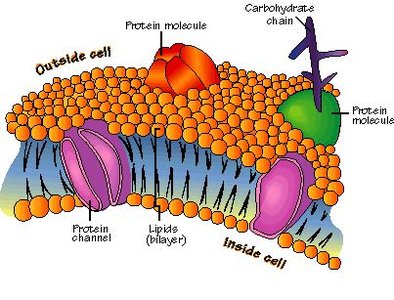
Lipids include fats, phospholipids, and steroids. They are the body's main energy storage, are hydrophobic, and provide compact energy storage. Lipids spare protein from being used as fuel and are necessary for absorption of fat-soluble vitamins (A, D, E, K).
Structural: Phospholipids and cholesterol are components of plasma membranes
Chemical precursors: Cholesterol is a precursor for steroids, bile salts, and vitamin D; fatty acids are precursors for prostaglandins
Average body fat: Adult male 15%, female 25%
Fat Requirements and Sources
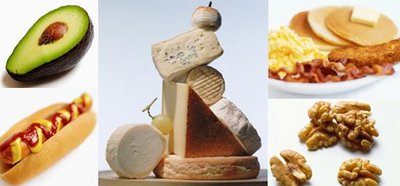
Most fatty acids are synthesized by the body, but essential fatty acids must be consumed. Saturated fats are of animal origin, while unsaturated fats are found in nuts, seeds, and vegetable oils. Cholesterol is found in animal products.
Saturated fats: Meat, egg yolks, dairy
Unsaturated fats: Nuts, seeds, vegetable oils
Cholesterol: Egg yolks, cream, shellfish, organ meats
Dietary fat: Should be less than 30% of daily calorie intake
Lipid Metabolism: Lipolysis and Lipogenesis
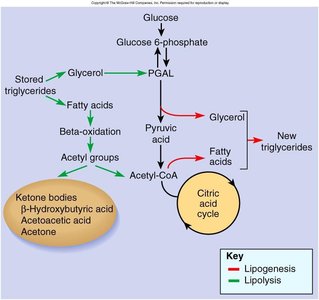
Triglycerides are stored in adipocytes. Lipolysis is the breakdown of fat for fuel, while lipogenesis is the synthesis of fat from amino acids and sugars. These pathways are important for energy balance and are common in diabetics.
Lipolysis: Fat breakdown; glycerol enters glycolysis
Lipogenesis: Fat synthesis from other sources
Ketosis
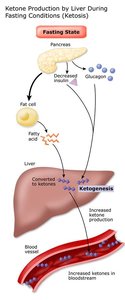
Ketosis occurs during fasting or low carbohydrate intake, when the liver produces ketone bodies from fatty acids. This state is common in diabetics who cannot absorb glucose.
Ketone bodies: β-hydroxybutyric acid, acetoacetic acid, acetone
Serum Lipoproteins
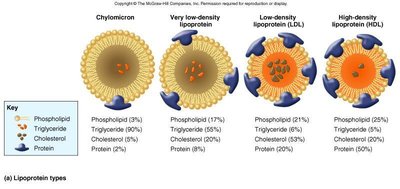
Lipids are transported in blood as lipoproteins, which are hydrophobic and coated in protein and phospholipid shells. Lipoproteins are categorized by density: chylomicrons, VLDL, LDL, HDL.
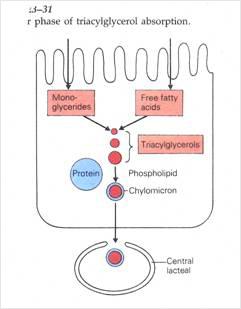
Chylomicrons: Form in small intestine, transport dietary fats
VLDL: Produced by liver, transport lipids to adipose tissue
LDL: Deliver cholesterol to cells
HDL: Remove cholesterol from arteries, deliver to liver for elimination
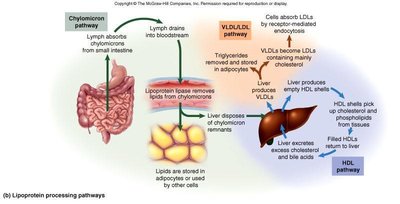
Desirable Lipoprotein Levels
High HDL levels indicate cholesterol removal from arteries, while high LDL levels correlate with cholesterol deposition and increased risk of cardiovascular disease.
Total cholesterol: Should be less than 200 mg/dL
Recommendations: Exercise, avoid smoking, saturated fats, coffee, and stress
Proteins
Functions and Requirements
Proteins make up 12-15% of body mass, mostly in skeletal muscles. They are essential for muscle contraction, cell membranes, fibrous and globular proteins, and plasma proteins.
RDA: 44-60 g/day
Essential amino acids: 8 cannot be synthesized and must be obtained from diet
Complete proteins: Animal proteins supply all essential amino acids
Plant proteins: Must be combined for complete amino acid profile (e.g., beans and rice)
Protein Metabolism
Amino acids are used to synthesize new proteins. For use as fuel, they must be deaminated, producing ammonia, which is converted to urea by the liver and excreted in urine.
Deamination: Removal of NH2 group
Urea: Waste product excreted in urine
Minerals
Functions and Dietary Sources
Minerals are essential for bone and teeth formation, enzyme cofactors, hemoglobin and myoglobin, stomach acid, and electrolyte balance. Sources include vegetables, legumes, milk, eggs, fish, and animal tissues.
Calcium and phosphorus: Bones and teeth
Iron: Hemoglobin and myoglobin
Chlorine: Stomach acid (HCl)
Electrolytes: Nerve and muscle function
Sodium intake: Recommended 1.1 g/day; typical American diet 4.5 g/day
Vitamins
Types and Absorption
Some vitamins are synthesized from precursors. Water-soluble vitamins (C, B) are absorbed with water, while fat-soluble vitamins (A, D, E, K) are absorbed with dietary lipids.
Water-soluble: Vitamin C, B-complex
Fat-soluble: Vitamins A, D, E, K
Appetite Regulation
Hormonal Control
Appetite is regulated by hormones such as leptin, ghrelin, peptide YY (PYY), insulin, and GLP-1. Leptin decreases appetite, ghrelin increases hunger, PYY and GLP-1 promote satiety, and insulin has a weaker effect similar to leptin.
Leptin: Secreted by adipocytes, decreases appetite
Ghrelin: Produced by parietal cells, increases hunger
PYY: Secreted by ileum, increases satiety
GLP-1: Increases satiety, promotes insulin secretion
Obesity
Genetic and Environmental Factors
Heredity plays a greater role in weight than height. Childhood obesity increases adipocyte proliferation, making weight loss more difficult. Evolutionarily, humans are programmed not to lose weight easily.
Adipocyte hyperplasia: Increase in fat cell number during childhood
Weight loss: More difficult than weight gain
Absorptive and Postabsorptive States
Absorptive State
The absorptive state lasts about 4 hours during and after a meal, when nutrients are absorbed and used for energy. Carbohydrates are used for ATP synthesis, excess is stored as glycogen or fat, fats are taken up by fat cells, and amino acids are used for protein synthesis.
Regulation: Insulin increases cellular uptake of glucose, stimulates glycolysis, glycogenesis, lipogenesis, and protein synthesis
Postabsorptive State
In the postabsorptive state, glucose is obtained from glycogen reserves or synthesized from other compounds. Fat and protein are used as fuel when glycogen is depleted. Homeostasis of blood glucose is critical, especially for the brain.
Regulation: Glucagon stimulates glycogenolysis and gluconeogenesis
Weight loss: Increased postabsorptive state (e.g., not eating after 6 PM) promotes weight loss
Metabolic Rate
Definition and Factors
Metabolic rate is the amount of energy used by the body in a given period (kcal/hr or kcal/day). Basal metabolic rate (BMR) is measured in a relaxed, awake, fasting state at comfortable temperature. Adult male BMR is about 2000 kcal/day.
Factors affecting metabolic rate: Size, gender, age, pregnancy, anxiety, fever, eating, thyroid hormones, depression, exercise, muscle/fat mass, activity level, body temperature
