 Indietro
Chemistry Foundations for Anatomy & Physiology: Study Notes
Guida di studio - Note intelligenti
 Appunti personalizzati basati sui tuoi materiali, ampliati con definizioni chiave, esempi e contesto.
Chemistry and Physiological Reactions
Importance of Chemistry in Physiology
Chemistry is fundamental to understanding physiological reactions in the human body, including movement, digestion, heart function, and nervous system activity. All physiological processes are governed by chemical principles.
Basic Chemistry: Covers the structure and properties of matter.
Biochemistry: Focuses on the chemical processes within living organisms.
Energy in Biological Systems
Forms and Properties of Energy
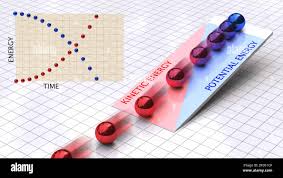
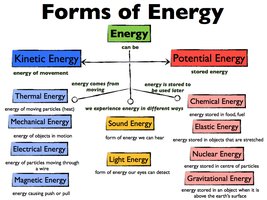
Energy is the capacity to do work or put matter into motion. It does not have mass or occupy space, but is essential for all physiological activities.
Kinetic Energy: Energy in action, such as muscle contraction.
Potential Energy: Stored energy, such as energy stored in chemical bonds.
Energy can be transformed from potential to kinetic, enabling biological processes.
Atoms and Elements
Basic Structure and Significance
All matter is composed of elements, which are substances that cannot be broken down by ordinary chemical methods. Elements are made up of atoms, the smallest units retaining the properties of the element.
Four elements (carbon, oxygen, hydrogen, nitrogen) make up 96% of the human body.
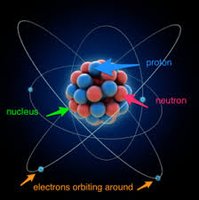
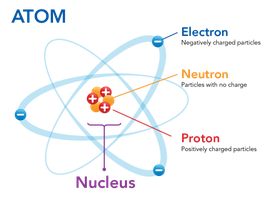
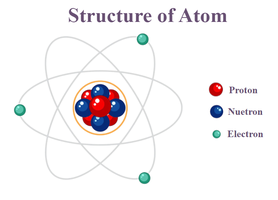
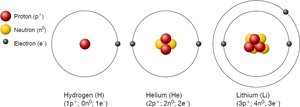
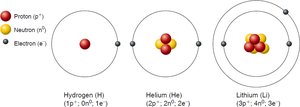
Atoms consist of protons (positive), neutrons (neutral), and electrons (negative).
Atomic symbol: One- or two-letter shorthand for each element (e.g., "O" for oxygen).
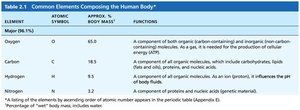
Common Elements in the Human Body
The human body is composed of major, lesser, and trace elements, each with specific functions.
Element | Atomic Symbol | Approx. % Body Mass | Functions |
|---|---|---|---|
Oxygen | O | 65.0 | Component of organic and inorganic molecules; needed for cellular energy (ATP). |
Carbon | C | 18.5 | Component of all organic molecules. |
Hydrogen | H | 9.5 | Component of organic molecules; influences pH. |
Nitrogen | N | 3.2 | Component of proteins and nucleic acids. |
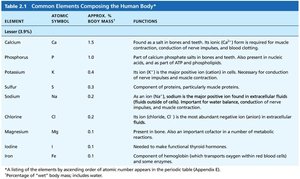
Element | Atomic Symbol | Approx. % Body Mass | Functions |
|---|---|---|---|
Calcium | Ca | 1.5 | Bone and teeth structure; muscle contraction; blood clotting. |
Phosphorus | P | 1.0 | Part of nucleic acids and ATP; bone structure. |
Potassium | K | 0.4 | Necessary for nerve impulse and muscle contraction. |
Sulfur | S | 0.3 | Component of proteins. |
Sodium | Na | 0.2 | Water balance; nerve function. |
Chlorine | Cl | 0.2 | Water balance. |
Magnesium | Mg | 0.1 | Enzyme activity. |
Iodine | I | 0.1 | Thyroid hormone production. |
Iron | Fe | 0.1 | Hemoglobin structure. |
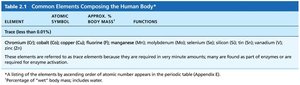
Element | Atomic Symbol | Functions |
|---|---|---|
Chromium, Cobalt, Copper, Fluorine, Manganese, Molybdenum, Selenium, Silicon, Tin, Vanadium, Zinc | Various | Enzyme activity, trace functions |
Structure of Atoms
Subatomic Particles and Models
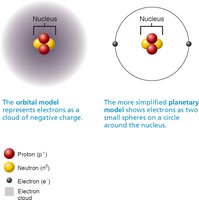
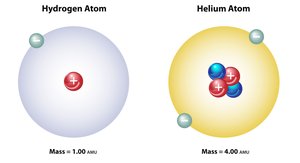
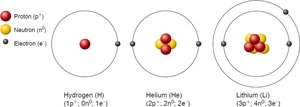
Atoms are composed of protons, neutrons, and electrons. Protons and neutrons are located in the nucleus, while electrons orbit around the nucleus.
Planetary model: Depicts electrons in fixed orbits (simplified).
Orbital model: Shows probable regions of electron location (electron cloud).
Identifying Elements
Atomic Number, Mass Number, and Isotopes
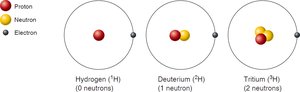
Atomic Number: Number of protons in the nucleus.
Mass Number: Total number of protons and neutrons.
Isotopes: Variations of the same element with different numbers of neutrons.
Radioisotopes
Properties and Applications
Radioisotopes are unstable isotopes that decay to more stable forms, emitting energy (radioactivity).
Used in medical diagnostics and treatment.
Can damage living tissue; some types are used to destroy cancer cells.
Combining Matter: Molecules and Compounds
Definitions and Differences
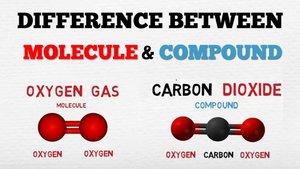
Molecule: Two or more atoms bonded together.
Compound: Molecule with two or more different kinds of atoms.
Molecules with only one type of atom are not compounds.
Mixtures
Types of Mixtures
Most matter exists as mixtures, which are physical combinations of substances.
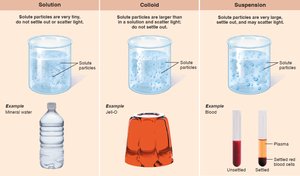
Solutions: Homogeneous mixtures; solute particles are evenly distributed.
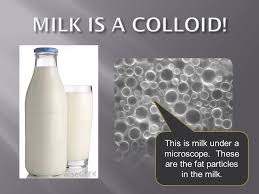
Colloids: Heterogeneous mixtures; larger particles that do not settle out.
Suspensions: Heterogeneous mixtures; large particles that settle out.
Examples and Properties
Solutions: Mineral water
Colloids: Gelatin, milk
Suspensions: Blood
Chemical Bonds
Types of Chemical Bonds
Chemical bonds are energy relationships between electrons of reacting atoms.
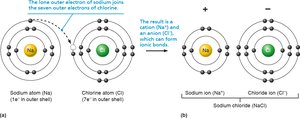
Ionic Bonds: Transfer of electrons, forming charged ions (cations and anions).
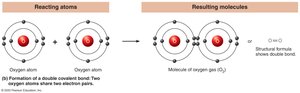
Covalent Bonds: Sharing of electrons between atoms.
Hydrogen Bonds: Weak attractions between electropositive hydrogen and electronegative atoms.
Polar and Nonpolar Covalent Bonds
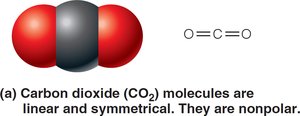
Nonpolar: Equal sharing of electrons (e.g., CO2).
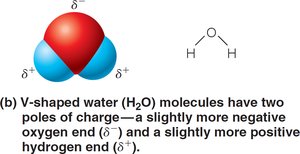
Polar: Unequal sharing, resulting in dipoles (e.g., H2O).
Biochemistry: Organic and Inorganic Compounds
Inorganic Compounds
Water: Most abundant; high heat capacity, solvent properties, reactivity, cushioning.
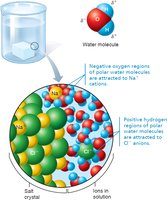
Salts: Ionic compounds; dissociate into electrolytes.
Acids and Bases: Electrolytes; acids donate protons, bases accept protons.
pH and Buffers
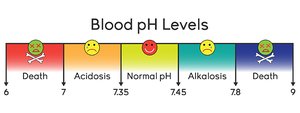
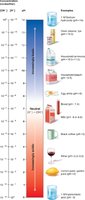
pH Scale: Measures hydrogen ion concentration; ranges from 0 (acidic) to 14 (basic).
Buffers: Resist changes in pH; important for maintaining homeostasis.
Organic Compounds: Carbohydrates, Lipids, Proteins, Nucleic Acids
Carbohydrates
Include sugars and starches; contain C, H, O.
Monosaccharides: Simple sugars (glucose).
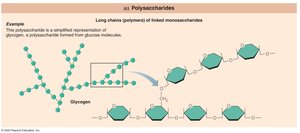
Polysaccharides: Long chains (glycogen, starch).
Lipids
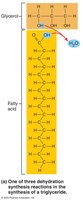
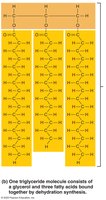
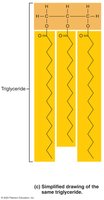
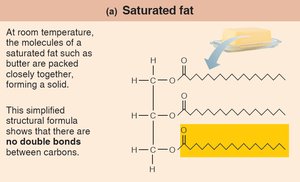
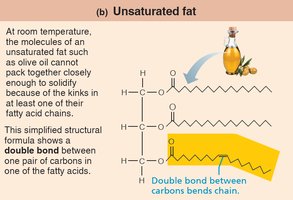
Triglycerides: Three fatty acids bonded to glycerol; energy storage, insulation, protection.
Saturated fatty acids: Single bonds, solid at room temperature.
Unsaturated fatty acids: Double bonds, liquid at room temperature.
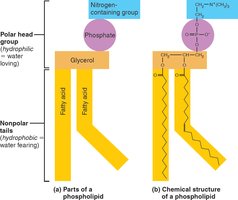
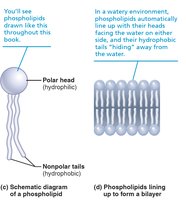
Phospholipids: Modified triglycerides; important in cell membranes.
Proteins
Polymers of amino acids; held together by peptide bonds.
Four structural levels: primary, secondary, tertiary, quaternary.
Functions: Structural, enzymatic, contractile.
Nucleic Acids
DNA: Genetic blueprint; double helix; base pairing (A-T, G-C).
RNA: Protein synthesis; single-stranded; types include mRNA, tRNA, rRNA.
ATP (Adenosine Triphosphate)
Immediate energy source for cells.
Structure: Adenine nucleotide with three phosphate groups.
Energy released by breaking phosphate bonds.
Summary
Key Takeaways
Chemistry is essential for understanding physiological processes.
Atoms, elements, and molecules form the basis of biological structure and function.
Energy transformations, chemical bonds, and biochemical reactions drive life processes.
Organic and inorganic compounds are vital for cellular structure and metabolism.
