Indietro
Diabetes and Its Effects on Human Anatomy & Physiology
Guida di studio - Note intelligenti
 Appunti personalizzati basati sui tuoi materiali, ampliati con definizioni chiave, esempi e contesto.
Diabetes: Effects on Human Anatomy & Physiology
Overview of Diabetes
Diabetes mellitus is a chronic metabolic disorder characterized by elevated blood glucose levels due to insufficient insulin production or impaired insulin action. This condition affects multiple organ systems and can lead to a variety of complications impacting anatomical and physiological functions.
Definition: Diabetes is a group of diseases that result in high blood sugar (hyperglycemia) over a prolonged period.
Types: Type 1 (autoimmune destruction of beta cells), Type 2 (insulin resistance), Gestational diabetes (during pregnancy).
Key Symptoms: Increased thirst, frequent urination, unexplained weight loss, fatigue.
Major Complications of Diabetes
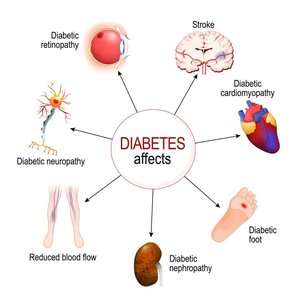
Diabetes can cause damage to various tissues and organs, leading to both acute and chronic complications. The following are the main anatomical and physiological effects:
Diabetic Retinopathy: Damage to the blood vessels in the retina, leading to vision impairment and potential blindness.
Stroke: Increased risk of cerebrovascular accidents due to atherosclerosis and hypertension associated with diabetes.
Diabetic Cardiomyopathy: Structural and functional changes in the heart muscle, increasing the risk of heart failure.
Diabetic Neuropathy: Nerve damage, especially in the peripheral nervous system, causing pain, tingling, and loss of sensation.
Reduced Blood Flow: Peripheral vascular disease leads to poor circulation, especially in the lower extremities.
Diabetic Nephropathy: Damage to the kidneys' filtering units (glomeruli), resulting in chronic kidney disease and potential renal failure.
Diabetic Foot: Combination of neuropathy and poor blood flow increases risk of ulcers, infections, and possible amputation.
Pathophysiology of Diabetes Complications
The complications arise due to chronic hyperglycemia, which leads to:
Microvascular Damage: Affects small blood vessels, leading to retinopathy, nephropathy, and neuropathy.
Macrovascular Damage: Affects large blood vessels, increasing risk of stroke and heart disease.
Impaired Healing: Poor circulation and nerve damage slow wound healing, especially in the feet.
Prevention and Management
Effective management of diabetes involves:
Blood Glucose Control: Through diet, exercise, medication, and insulin therapy.
Regular Monitoring: Eye exams, kidney function tests, and foot checks.
Lifestyle Modifications: Healthy diet, physical activity, smoking cessation.
Visual Representation of Diabetes Complications
The following image illustrates the various anatomical and physiological complications associated with diabetes: