 Indietro
Epidemiology and Nosocomial Infections: Mechanisms of Disease Transmission and Control
Guida di studio - Note intelligenti
 Appunti personalizzati basati sui tuoi materiali, ampliati con definizioni chiave, esempi e contesto.
Epidemiology and Herd Immunity
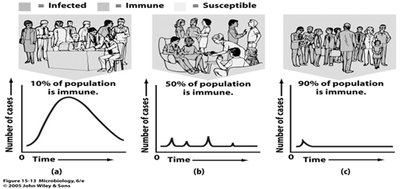
Herd Immunity: Definition and Importance
Herd immunity refers to the proportion of individuals in a population who are immune to a contagious disease, either through vaccination or recovery from illness. This collective immunity helps protect those who are not immune by reducing the spread of disease.
Key Point 1: Herd immunity is only applicable to contagious diseases (e.g., not tetanus).
Key Point 2: High levels of herd immunity can lead to the elimination of diseases, as seen with smallpox and the ongoing efforts against polio.
Example: When 90% of a population is immune, disease transmission is minimal, protecting even those who are susceptible.
Global Progress in Disease Elimination
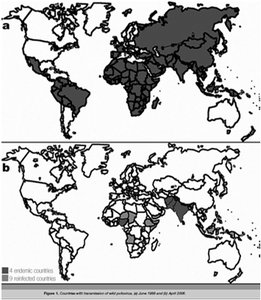
Efforts to eradicate diseases such as polio have significantly reduced the number of endemic countries worldwide. Vaccination campaigns and herd immunity are central to these achievements.
Key Point: In 1988, polio was endemic in 125 countries; by 2014, only 3 countries remained endemic, though re-introduction remains a risk.
Controlling Disease Transmission
Isolation and Quarantine
Isolation and quarantine are critical public health measures to prevent the spread of infectious diseases. Isolation involves separating infected individuals, while quarantine separates healthy but exposed individuals during the incubation period.
Key Point 1: Isolation prevents contact between infected patients and the general population, and is also important in laboratory settings.
Key Point 2: Quarantine is used less frequently today but was effective during outbreaks such as SARS in 2003.
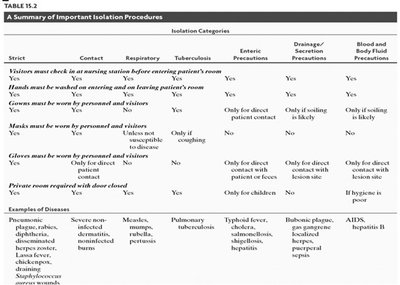
Summary of Important Isolation Procedures
Different categories of isolation are used depending on the disease and mode of transmission. These include strict, contact, respiratory, tuberculosis, enteric, drainage/secretion, and blood/body fluid precautions.
Isolation Category | Strict | Contact | Respiratory | Tuberculosis | Enteric | Drainage/Secretion | Blood/Body Fluid |
|---|---|---|---|---|---|---|---|
Visitor Check-in | Yes | No | No | No | No | No | No |
Handwashing | Yes | Yes | Yes | Yes | Yes | Yes | Yes |
Masks | Yes | No | Yes | Only if coughing | No | Only for direct contact | Only if soiling is likely |
Gloves | Yes | Only for direct contact | No | No | Only for direct contact | Only for children | Only if soiling is likely |
Examples of Diseases | Measles, chickenpox | MRSA, VRE | Pneumonia, tuberculosis | Tuberculosis | Typhoid fever, cholera | Bubonic plague, draining abscesses | AIDS, hepatitis B |
Biosafety Levels in Laboratories
Biosafety levels (BSL) are standards for laboratory safety based on the pathogenicity and transmission risk of microorganisms. There are four levels, each with specific requirements.
BSL-1: Nonpathogenic organisms; standard practices; open bench tops.
BSL-2: Pathogenic to humans; open bench tops; specific training required.
BSL-3: Serious disease by inhalation; biological safety cabinets or protective equipment.
BSL-4: Dangerous/exotic agents; life-threatening; separate building or controlled area; suits with life support systems.


Nosocomial (Health-Care Associated) Infections
Definition and Impact
Nosocomial infections, also known as health-care associated infections (HAI), are acquired in hospitals or healthcare settings. They affect approximately 10% of patients, resulting in significant morbidity and mortality.
Key Point: Sources can be exogenous (from outside the patient) or endogenous (from the patient's own flora).
Susceptibility: Compromised hosts, breaks in skin or mucous membranes, debilitated or immunosuppressed patients are at higher risk.
Transmission: Varies depending on the pathogen and hospital environment.

Universal Precautions
Universal precautions are procedures designed to prevent transmission of infections in healthcare settings, especially when contact with body fluids is possible.
Key Point: Includes handwashing, use of gloves, masks, and sterile equipment.
Example: CDC guidelines recommend wearing gloves and gowns, using masks and protective eyewear, and proper disposal of contaminated items.
Common Nosocomial Pathogens
Most nosocomial infections are caused by bacteria, often normal flora or opportunistic pathogens. Common organisms include Escherichia coli, Staphylococcus aureus, Clostridium difficile, and Pseudomonas aeruginosa.
Key Point: These pathogens are frequently resistant to antibiotics and can cause severe infections in vulnerable patients.

Sites of Nosocomial Infections
Nosocomial infections can occur in various sites within the body, with the urinary tract being the most common.
Key Point: Other common sites include surgical sites, bloodstream, and pneumonia.
Prevention and Control
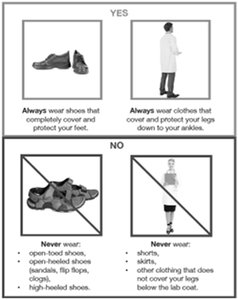
Effective prevention and control of nosocomial infections require infection-control specialists, rigorous handwashing, use of sterile equipment, gloves, and insect control.
Key Point: Handwashing is the most important preventive measure.
Case Study: Nosocomial Infection
Clinical Presentation and Diagnosis
A 53-year-old man with Guillain-Barré syndrome, hospitalized for two months, developed a nosocomial infection. He had a bedsore with blue-green pus, shortness of breath, chest pain, shock, and fever. Blood cultures revealed Pseudomonas aeruginosa, a gram-negative rod often resistant to antibiotics and producing a blue-green pigment.
Key Point: Pseudomonas aeruginosa is commonly found in the environment and is a frequent cause of nosocomial infections, especially in burns, sepsis, and cystic fibrosis cases.
Bioweapons and Bioterrorism
Historical and Modern Context
Bioweapons have been used historically and are now regulated by international conventions. The Geneva Protocol and Biological and Toxins Weapons Convention prohibit the development, production, and use of biological agents as weapons.
Key Point: Bioterrorism preparedness requires training, protection, and access to vaccines and medicines for healthcare workers.
CDC Categories of Bioterrorism Agents
The CDC classifies bioterrorism agents into three categories based on their ease of spread, morbidity, and mortality rates.
Category A: Includes anthrax, botulism, plague, smallpox, tularemia, and viral hemorrhagic fevers. These agents can spread person-to-person, have high mortality rates, and may cause public panic.
Category B: Includes food and water safety threats, zoonoses, rickettsial diseases, and toxins. These are moderately easy to spread and have moderate morbidity and low mortality rates.
Category C: Includes emerging infectious diseases that may be engineered for mass spread, with high morbidity and mortality potential.
Agricultural Bioterrorism
Bioterrorism can also target plant and animal crops, leading to economic and food loss.
Additional info: The notes above expand on the original content by providing definitions, examples, and context for each topic, ensuring completeness and academic quality for Anatomy & Physiology students.
