 Indietro
Eukaryotic microbes pt 1- Microbio
Guida di studio - Note intelligenti
 Appunti personalizzati basati sui tuoi materiali, ampliati con definizioni chiave, esempi e contesto.
Eukaryotic Microorganisms: Protozoa and Fungi
Introduction to Parasitism
Parasitic organisms are eukaryotic microorganisms that live at the expense of their host, causing significant morbidity and mortality worldwide. Understanding their classification, life cycles, and impact on human health is essential for Anatomy & Physiology students.
Parasite: An organism that derives nutrients from a host, often causing harm.
Host Types:
Definitive host: Harbors the adult, sexually mature stage of the parasite.
Intermediate host: Contains the immature, asexual stage of the parasite.
Classification of Protozoa by Motility
Protozoa are classified based on their mode of locomotion, which is a key feature in their identification and understanding of their biology.
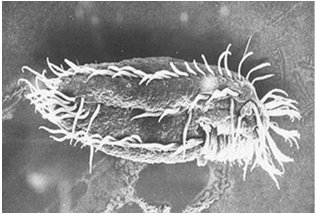
Ciliates: Move using numerous short, hair-like structures called cilia.
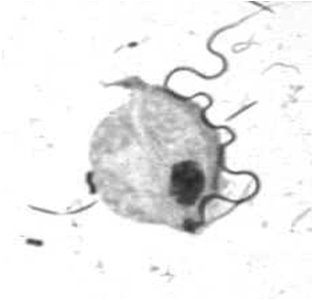
Flagellates: Move using one or more long, whip-like flagella.
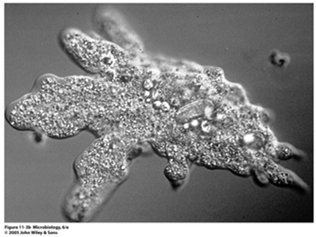
Amoebas: Move by extending pseudopods (false feet).
Non-motile: Lack structures for movement.
Protozoan Diseases: Giardiasis
Etiology and Forms
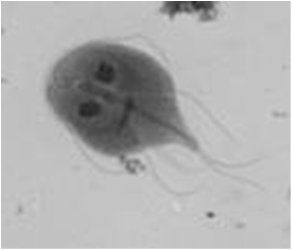
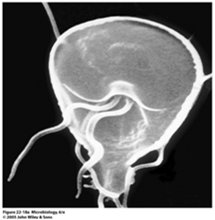
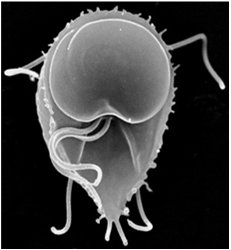
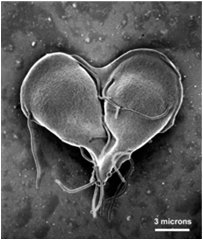
Giardiasis is caused by Giardia lamblia, an ancient flagellated protozoan. It exists in two forms:
Trophozoite: Active, feeding form found in the intestines of mammals.
Cyst: Inactive, resistant, and infective form passed in feces; persists in water.
Reservoirs and Transmission
Giardia is found in contaminated water and infected mammals (humans, dogs, cats, cattle, beavers, deer). Transmission occurs via the fecal-oral route, through contaminated water, food, or direct fecal contact. The infective dose can be as low as 10 cysts.
Pathogenicity and Symptoms
Adhesive disk: Allows attachment to the intestinal wall and feeding on mucus.
Symptoms: Copious, frothy diarrhea, weight loss, and sulfurous flatulence.
Diagnosis
Microscopy: Fecal samples examined for cysts and trophozoites.
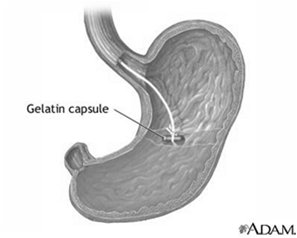
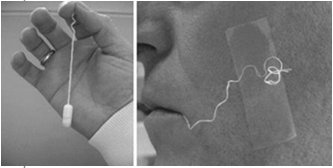
String test: Gelatin capsule attached to a string is swallowed, then retrieved to collect samples from the small intestine.
Treatment, Prevention, and Control
Treatment: Oral medication; often self-limiting but can be chronic in immunocompromised individuals.
Prevention: Avoid contaminated water, practice handwashing.
Control: Water treatment (boiling or filtering); cysts are resistant to chlorine/iodine.
Distribution
~7% prevalence in the U.S. (many asymptomatic carriers)
20-30% prevalence in developing countries
Outbreaks common in daycare settings
Protozoan Diseases: Toxoplasmosis
Etiology and Reservoirs
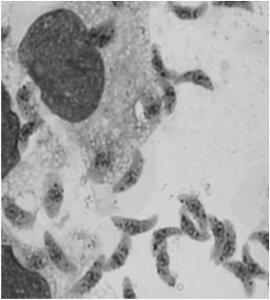
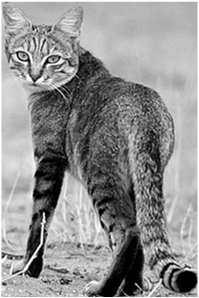
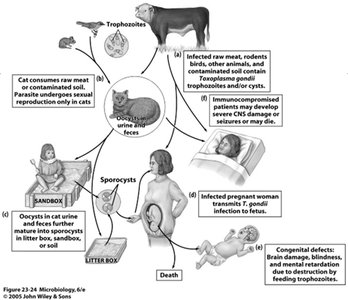
Toxoplasmosis is caused by Toxoplasma gondii, a nonmotile protozoan. The domestic cat is the definitive host, while other animals (humans, mice, cows, pigs) serve as intermediate hosts.
Transmission
Ingestion of cat fecal material
Eating undercooked meat or unwashed produce (most common in the U.S.)
Pathogenesis
Spreads to many tissues; becomes walled off by host defenses and may persist for years, especially in the brain.
If infection occurs during pregnancy, the organism can cross the placenta.
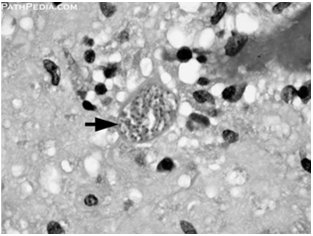
Symptoms
Mostly mild: swollen lymph nodes
Pregnancy: miscarriage or birth defects (cognitive, vision loss, seizures)
Immunocompromised: reactivation can cause encephalitis or death
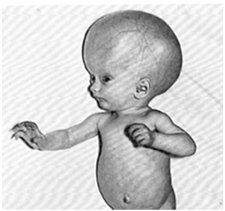
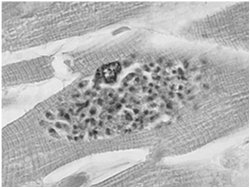
Diagnosis
Blood test for antibodies
Microscopy: parasites in blood or tissues
Treatment, Prevention, and Control
No treatment for congenital cases; medications for infected persons
Prevention: avoid raw meat and cat litter, especially if pregnant
In Cats
Most cats are asymptomatic
Antibiotic treatment available
Cysts are shed only for a few days in a cat's life; if positive, cat is immune and noninfectious
Cysts are not found on fur
Fungi and Human Disease
Types of Fungal Diseases
Superficial: Affect skin, hair, nails
Subcutaneous: Occur below the skin
Systemic: Invade internal organs
Often opportunistic, especially in immunocompromised individuals
Fungal Disease: Ringworm
Etiology and Types
Ringworm is caused by dermatophytes, a group of fungi. Several types are named based on the affected area:
Tinea capitis: Scalp
Tinea unguium: Nails
Tinea cruris: Groin (jock itch)
Tinea pedis: Feet (athlete's foot)
Tinea barbae: Beard (barber's itch)
Reservoirs and Transmission
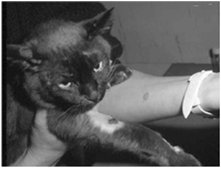
Common in animals and infected people
Transmitted via contact with contaminated objects (fomites): combs, shoes, clothing, nail clippers, shower stalls
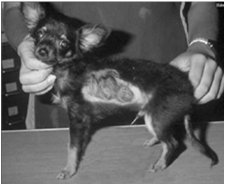
Pathogenesis and Symptoms
Minor scrapes contaminated with fungi; infection is superficial
Symptoms: red, scaly, itchy patches; bald spots; thick nails
Diagnosis
Based on skin appearance
Microscopy of skin scrapings
Treatment, Prevention, and Control
Topical antifungal ointment; oral medication if widespread or for nails
Prevention: avoid contaminated objects
Summary Table: Protozoan and Fungal Diseases
Disease | Etiologic Agent | Reservoir | Transmission | Symptoms | Diagnosis | Treatment/Prevention |
|---|---|---|---|---|---|---|
Giardiasis | Giardia lamblia | Contaminated water, mammals | Fecal-oral | Diarrhea, weight loss, flatulence | Microscopy, string test | Oral meds, water treatment, hygiene |
Toxoplasmosis | Toxoplasma gondii | Cats, other animals | Cat feces, undercooked meat | Mild, birth defects, encephalitis | Blood test, microscopy | Medications, avoid raw meat/cat litter |
Ringworm | Dermatophytes | Animals, humans | Fomites | Red, scaly patches, thick nails | Skin appearance, microscopy | Antifungal ointment, avoid fomites |
Additional info: Expanded explanations and context were added to ensure completeness and academic quality for Anatomy & Physiology students.
