Indietro
Genes and Cellular Function: Study Guide for Anatomy & Physiology
Guida di studio - Note intelligenti
 Appunti personalizzati basati sui tuoi materiali, ampliati con definizioni chiave, esempi e contesto.
Genes and Cellular Function
Genetic Similarity and Variation
Humans share a remarkable degree of genetic similarity, with only a small fraction accounting for individual differences. Understanding this similarity and variation is fundamental to the study of genetics and cellular function.
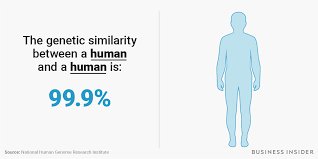
Genetic similarity: 99.9% of DNA is identical among all humans.
Genetic variation: The remaining 0.1% is responsible for differences in traits, susceptibility to diseases, and other individual characteristics.
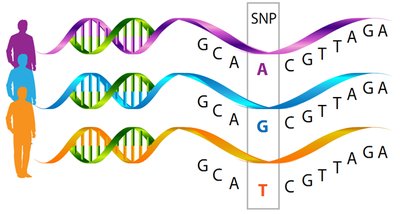
Single Nucleotide Polymorphisms (SNPs): These are the most common type of genetic variation among people.
DNA Structure and Function
DNA is the molecular basis of heredity, encoding instructions for the synthesis of proteins that determine cellular structure and function.
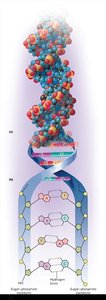
Structure: DNA is a polymer of nucleotides, each consisting of a phosphate group, a deoxyribose sugar, and a nitrogenous base (adenine, thymine, guanine, cytosine).
Double helix: Two strands of DNA are held together by complementary base pairing (A-T, G-C).
Function: DNA carries genetic instructions for protein synthesis.
Chromatin and Chromosomes
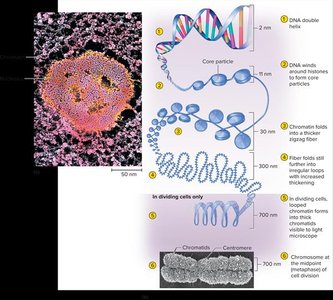
DNA is packaged within the cell nucleus as chromatin and further condensed into chromosomes during cell division.
Chromatin: DNA and associated proteins (histones) form a complex that allows efficient packaging and regulation.
Chromosomes: Tightly wound chromatin visible during cell division; humans have 46 chromosomes in two sets of 23.
RNA Structure and Function
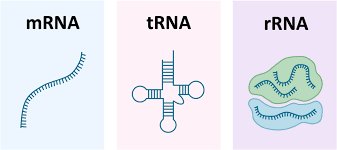
RNA is essential for interpreting the genetic code and synthesizing proteins. There are three main types of RNA involved in gene expression.
Structure: RNA is a polymer of ribonucleotides (adenine, uracil, guanine, cytosine).
Function: RNA interprets the code in DNA and directs protein synthesis.
Types:
mRNA (messenger RNA): Carries genetic information from DNA to ribosomes.
tRNA (transfer RNA): Brings amino acids to the ribosome during translation.
rRNA (ribosomal RNA): Forms the core of the ribosome's structure and catalyzes protein synthesis.
What is a Gene?
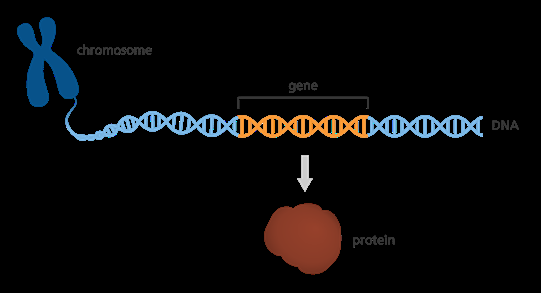
A gene is a fundamental unit of heredity, encoding information for the synthesis of proteins or functional RNA molecules.
Definition: An information-containing segment of DNA that typically directs the synthesis of one or more proteins.
Location: Genes are found on chromosomes within the cell nucleus.
The Human Genome and Genetic Variation
The human genome consists of all the genetic material in a cell, organized into chromosomes. Genetic variation is primarily due to SNPs.
Chromosome number: Humans have 46 chromosomes (23 pairs).
Genetic identity: 99.9% of the genome is identical among humans.
Variation: SNPs account for the 0.1% difference.
The Genetic Code
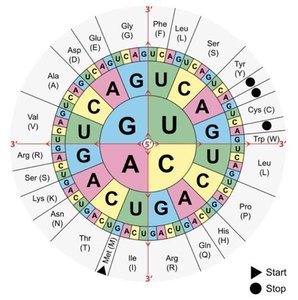
The genetic code is the set of rules by which information encoded in DNA is translated into proteins. It is universal and highly conserved.
Proteins: Made from 20 amino acids in various combinations.
Code: Genes are composed of four nucleotides (A, T, G, C).
Codons: Three DNA nucleotides code for one amino acid; in RNA, this triplet is called a codon.
Transcription: From DNA to RNA
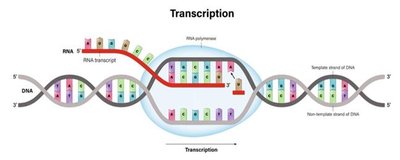
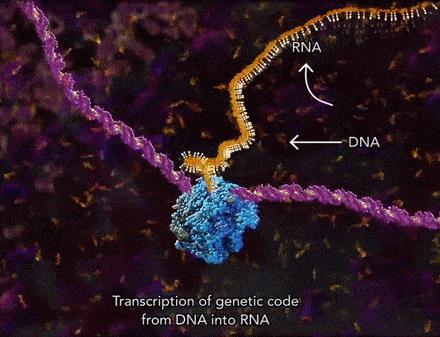
Transcription is the process by which genetic information in DNA is copied into messenger RNA (mRNA).
Process: When a gene is activated, mRNA is synthesized in the nucleus.
Enzyme: RNA polymerase facilitates transcription.
mRNA: Carries the genetic code from the nucleus to the cytoplasm.
Translation: From RNA to Protein
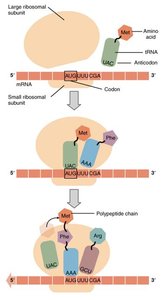
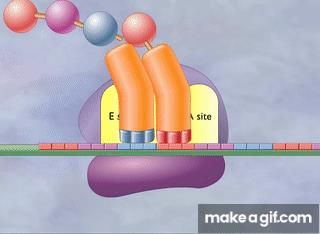
Translation is the process by which the genetic code carried by mRNA is used to synthesize proteins at the ribosome.
Process: Ribosome binds to mRNA and translates the code into a protein sequence.
tRNA: Brings amino acids to the ribosome, matching codons with anticodons.
Speed: One ribosome can add 2–6 amino acids per second; cells produce over 100,000 proteins per second.
The Central Dogma of Molecular Biology
The central dogma describes the flow of genetic information: DNA is transcribed into RNA, which is then translated into protein.
Summary: DNA → RNA → Protein
mRNA Vaccines: Application of Central Dogma
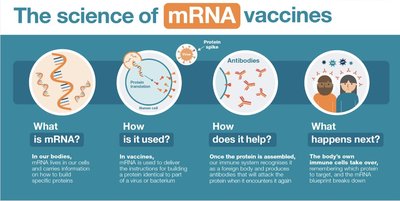
mRNA vaccines utilize the central dogma by introducing mRNA encoding viral proteins, prompting the body to produce an immune response.
Mechanism: mRNA is delivered into cells, which use it to synthesize viral proteins.
Immune response: The body recognizes these proteins as foreign and produces antibodies.
Gene Regulation
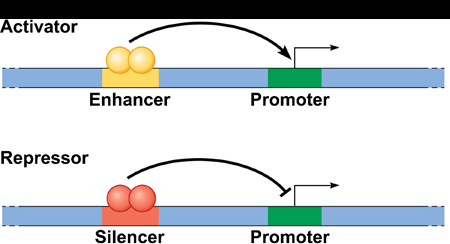
Gene regulation controls when and how genes are expressed, allowing cells to respond to environmental and developmental cues.
On/off control: Genes can be turned on or off as needed.
Permanent silencing: Some genes are permanently turned off in certain cell types.
Regulatory elements: Enhancers, promoters, and silencers modulate gene expression.
Genes and Traits
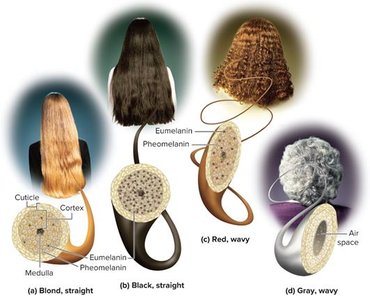
Traits are determined by the expression of genes, which encode proteins that influence physical and biochemical characteristics.
Examples: Eye color, hair color, height, lactose tolerance, alcohol metabolism.
Variation: Differences in amino acid sequences lead to different traits.
Genes and Mutations
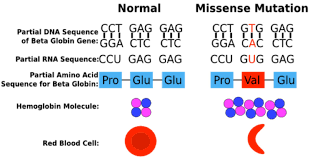
Mutations are changes in the DNA sequence that can alter gene function and lead to various traits or diseases.
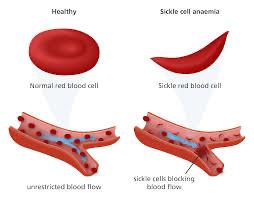
Sickle cell anemia: Caused by a single amino acid substitution in the beta-globin protein of hemoglobin.
Trait: Red blood cells become sickle-shaped, leading to anemia and organ damage.
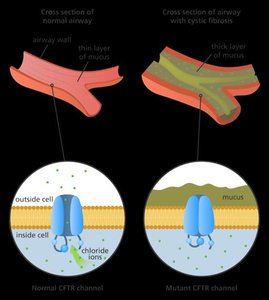
Cystic fibrosis: Caused by a deletion of three nucleotides, resulting in the absence of a single amino acid in the CFTR protein.
Trait: Thick, sticky mucus builds up in organs, causing respiratory and digestive issues.
How Do Mutations Happen?
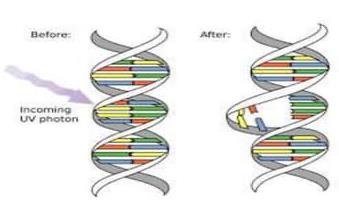
Mutations can occur spontaneously or be induced by environmental factors.
Spontaneous mutations: Errors during DNA replication.
Induced mutations: Caused by chemicals, radiation, or UV light.
Epigenetics
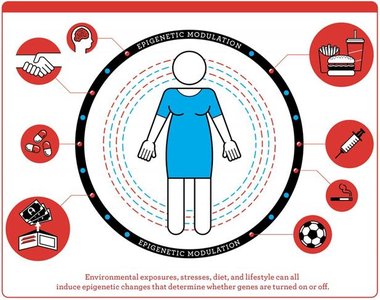
Epigenetics refers to changes in gene expression that do not involve alterations to the DNA sequence. These changes can be influenced by environmental factors and may be heritable.
Mechanisms: DNA methylation and histone modification regulate gene accessibility.
Environmental influence: Diet, stress, exposure to toxins, and lifestyle can modulate gene expression.
Inheritance: Epigenetic changes can be passed to offspring.
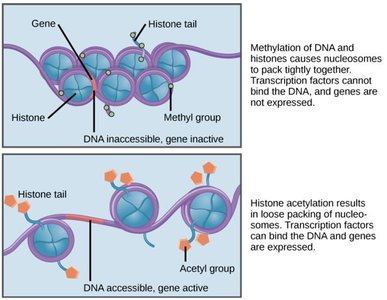
Epigenetics: Dutch Hunger Winter Case Study
The Dutch Hunger Winter illustrates how environmental stress can cause epigenetic changes that affect health across generations.
Historical event: Severe famine during Nazi occupation led to malnutrition in pregnant women.
Long-term effects: Children born during or after the famine had higher risks of heart disease, diabetes, and obesity, which were also observed in their offspring.