 Indietro
Eukaryotic microbes pt 2- Microbio
Guida di studio - Note intelligenti
 Appunti personalizzati basati sui tuoi materiali, ampliati con definizioni chiave, esempi e contesto.
Helminths: Eukaryotic Microorganisms
Overview of Helminths
Helminths are multicellular parasitic worms that infect humans and animals, causing significant health problems worldwide. They are classified into two main groups: flatworms and roundworms. Understanding their structure, life cycles, and impact on human health is essential for Anatomy & Physiology students.
Flatworms include flukes and tapeworms.
Roundworms are also known as nematodes.
Helminths often have complex life cycles involving multiple hosts.
Classification of Helminths
Group | Subgroup | Key Features |
|---|---|---|
Flatworms | Flukes (Trematodes) | Leaf-shaped, complex life cycles, multiple hosts |
Flatworms | Tapeworms (Cestodes) | Long, ribbon-like, segmented body, intestinal parasites |
Roundworms | Nematodes | Cylindrical, unsegmented, infective eggs or larvae |
Flatworms
Flukes (Trematodes)
Flukes are leaf-shaped parasitic worms that infect various organs in humans, such as the lungs, liver, and blood. Their life cycles are complex, often involving both vertebrate and invertebrate hosts.
Lung, liver, and blood flukes are common in humans.
Blood fluke disease is known as schistosomiasis.
Life cycle includes adult worms in human blood vessels, eggs passed in feces, and larval stages in snails.
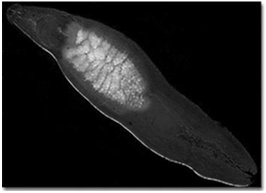
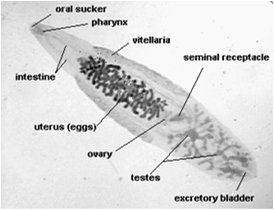
Schistosomiasis (Blood Fluke Disease)
Schistosomiasis is a major parasitic disease caused by Schistosoma species. It is second only to malaria in socioeconomic impact.
Definitive host: Human
Intermediate host: Freshwater snail
Adults live in blood vessels of the liver, mate, and lay eggs.
Eggs pass into the intestine, exit via feces, and hatch in water.
Larval stage (miracidium) infects snails, develops into cercaria, which then infects humans through skin contact.
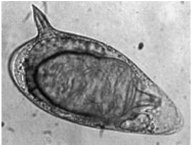
Symptoms and Diagnosis
Many cases are subclinical.
Symptoms: anemia, diarrhea, malnutrition, fever, skin itch, chronic tissue damage.
Diagnosis: skin lesions, eggs in feces or urine, blood tests.
Treatment, Prevention, and Control
Treatment: oral medications (effective in 1-2 days).
Prevention: avoid contaminated water, snail control.
Control: sanitation, elimination of host snails.
Distribution
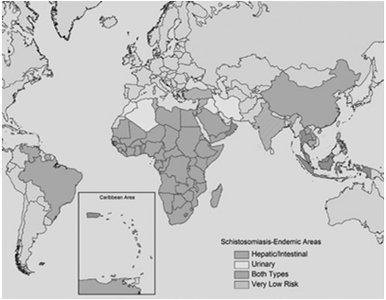
Over 200 million affected worldwide.
12,000–200,000 deaths per year.
Swimmer's Itch
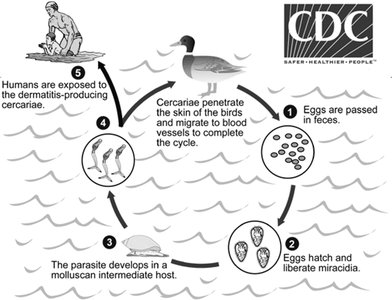
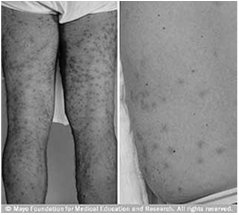
Swimmer's itch is an allergic reaction caused by cercariae of flukes that normally infect waterfowl. Humans are a dead-end host.
Occurs in lakes and other freshwater bodies.
Symptoms: itching for about a week.
Tapeworms (Cestodes)
Structure and Life Cycle
Tapeworms are long, ribbon-like parasites found in the intestines of animals and humans. They absorb nutrients directly through their body wall.
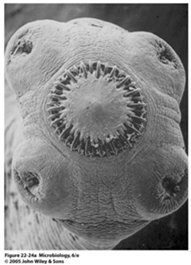
Scolex: Head end with suckers and hooks for attachment.
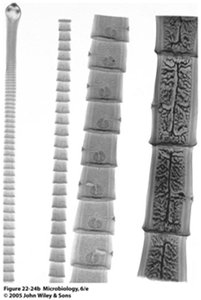
Proglottids: Body segments, each containing reproductive organs.
Proglottids mature, fill with eggs, and are shed in feces.
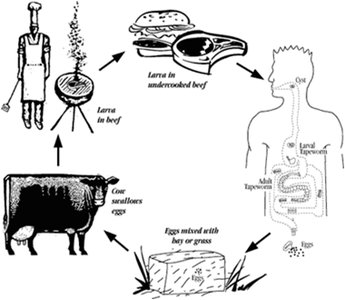
Beef Tapeworm (Taenia saginata)
Definitive host: Humans
Intermediate host: Cattle
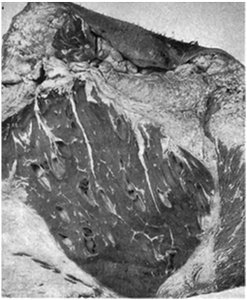
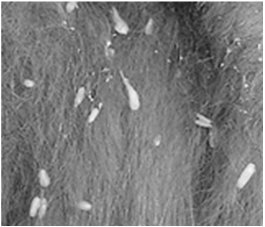
Transmission: eating undercooked beef containing cysticercus (larva).
Adult tapeworms can reach 4–10 meters, sometimes up to 20 meters.
Symptoms: often asymptomatic, malnutrition, motile proglottids may exit the body.
Diagnosis: proglottids in feces.
Treatment, Prevention, and Control
Treatment: oral medication.
Prevention: cook beef thoroughly.
Control: sanitation, clean water for irrigation, avoid using feces as fertilizer.
Other Tapeworms
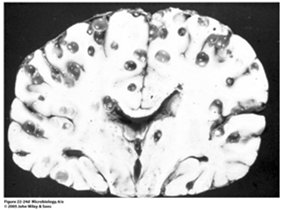
Pork and dog tapeworms can cause cysts in human organs, including the brain (hydatid cysts).
Symptoms may include seizures.
Roundworms (Nematodes)
Overview and Types
Roundworms are cylindrical, unsegmented worms. Human infections can occur via infective eggs or larvae.
Egg is infective: Pinworm, Ascaris
Larva is infective: Hookworm, trichinellosis, filariasis
Pinworm (Enterobius vermicularis)
Pinworm is a common intestinal parasite, especially in children.
Up to 15,000 eggs per female worm.
Prevalence in the U.S. is about 12% (all ages), ~40 million cases.
Diagnosis: "pinworm paddle" test for eggs.
Treatment: oral medication, repeat dose in 2 weeks.
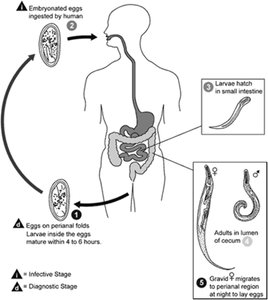
Ascariasis (Ascaris lumbricoides)
Ascariasis is caused by ingesting eggs from contaminated soil or food.
Life cycle: eggs ingested, larvae migrate to respiratory tract, then swallowed to mature in the intestine.
Adults lay eggs that are passed in feces.
Pathogenesis: larvae in lungs cause damage, adults in intestine cause malnutrition, migrating adults may exit body openings.
Diagnosis: eggs or worms in feces.
Treatment: oral medication; prevention via sanitation.
Filariasis (Wuchereria bancrofti)
Filariasis is a mosquito-borne disease caused by nematodes that block lymphatic vessels.
Reservoir: infected humans.
Transmission: mosquito vector.
Life cycle: microfilariae circulate in blood, mosquitoes transmit larvae to new hosts.
Pathogenesis: adult worms block lymph vessels, causing fluid accumulation and immune system effects.
Diagnosis: blood smear for microfilariae.
Treatment: medication, pressure bandages, skin care, surgery for hydrocele.
Prevention: mosquito control.
Neglected Tropical Diseases and Helminthic Therapy
Neglected Tropical Diseases
Neglected tropical diseases affect over 1 billion people and include helminth infections such as lymphatic filariasis, schistosomiasis, hookworm, and ascariasis. Strategies for control include mass drug administration, vector control, safe water, and hygiene.
Challenges: stigma, cultural beliefs, focus on drugs, economic issues.
Guinea Worm Disease (Dracunculiasis)
Guinea worm is a parasitic infection transmitted via contaminated water. The Carter Center has led eradication efforts, focusing on clean water and filtration.
No vaccine or medicine available.
Eradication is planned by 2027, certification by 2030.
Helminthic Therapy
Helminthic therapy is an experimental approach to treat immune disorders by introducing controlled helminth infections. The "Hygiene Hypothesis" suggests that reduced exposure to parasites may increase hypersensitivity to other antigens.
Potential applications: allergies, asthma, autoimmune diseases (Crohn's, celiac, multiple sclerosis, arthritis).
Risks vs. benefits must be weighed; still experimental.
