 Indietro
Influenza pt 2- microbio
Guida di studio - Note intelligenti
 Appunti personalizzati basati sui tuoi materiali, ampliati con definizioni chiave, esempi e contesto.
Influenza Vaccine Production and Updates
Annual Vaccine Development
Influenza vaccines are produced annually to match circulating virus strains. The process involves careful selection of viral strains and production methods to ensure effectiveness for the upcoming flu season.
Strain Selection: Decisions for the next year's vaccine are made around February, based on global surveillance data.
Multivalent Vaccines: Most influenza vaccines are multivalent, containing 3 or 4 strains to provide broad protection.
Production Methods: Viruses are grown in chicken eggs or cell culture, a process that takes several months.
Annual Requirement: A new vaccine is needed each flu season due to frequent changes in circulating influenza viruses.

CDC Laboratory Work and Surveillance
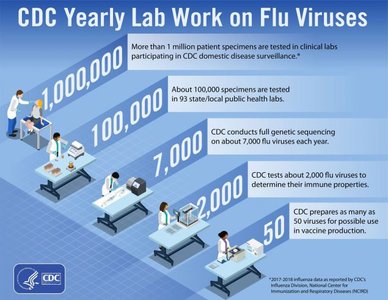
The CDC conducts extensive laboratory work to monitor flu viruses and inform vaccine production. This includes testing specimens, sequencing viral genomes, and preparing candidate viruses for vaccines.
Specimen Testing: Over 1 million patient specimens are tested annually in clinical labs.
Genetic Sequencing: About 7,000 flu viruses are sequenced to track mutations and select vaccine strains.
Immune Properties: Around 2,000 viruses are tested for immune response characteristics.
Vaccine Candidates: CDC prepares up to 50 viruses for possible use in vaccine production.
2024–2025 Influenza Vaccine Strains
The composition of the influenza vaccine for the 2024–2025 season includes specific strains selected for their prevalence and potential impact.
Egg-based Vaccines:
A/Victoria/4897/2022 (H1N1)pdm09-like virus
A/Croatia/10136RV/2023 (H3N2)-like virus
B/Austria/8/2022 (H3N2)-like virus
Cell-based or Recombinant Vaccines:
A/Wisconsin/67/2022 (H1N1)pdm09-like virus
A/District of Columbia/27/2023 (H3N2)-like virus
B/Austria/1359417/2021 (B/Victoria lineage)-like virus
Vaccine Effectiveness and Recommendations
Effectiveness and Immunity
Influenza vaccines are designed to prevent illness and reduce the spread of the virus. Their effectiveness varies by age and health status.
Cannot Cause Illness: The vaccine contains inactivated or recombinant virus, so it cannot cause influenza.
Immunity Development: It takes about 2 weeks after vaccination for immunity to develop.
Effectiveness Rate: Vaccines are 70–90% effective, but effectiveness is lower in elderly individuals.
Timing: Vaccination is recommended by October if possible, before flu activity peaks.
Co-administration: COVID-19 and flu vaccines can be given at the same time.
Community Protection: Vaccinating children helps reduce spread and protect vulnerable populations.
Recommendations for Vaccination
Seasonal flu vaccination is recommended for nearly everyone, with few exceptions.
Eligibility: All individuals 6 months and older should receive the flu vaccine.
Exceptions: Those allergic to eggs or currently ill with fever should consult their healthcare provider. Egg-free vaccines are available for those with egg allergies.
Antiviral Medications: Recommended for high-risk groups, including pregnant women, young children, older adults, and those with chronic illnesses or in nursing homes.
Influenza Surveillance and Public Health Impact
Influenza Activity and Surveillance
Influenza activity is monitored through laboratory testing and epidemiological surveillance. Data are used to track the spread and severity of the flu season.
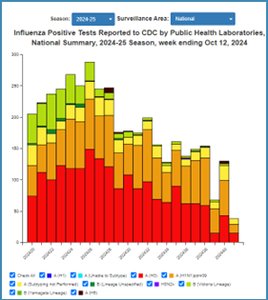
Positive Tests: Public health laboratories report influenza positive tests weekly, showing trends in virus circulation.
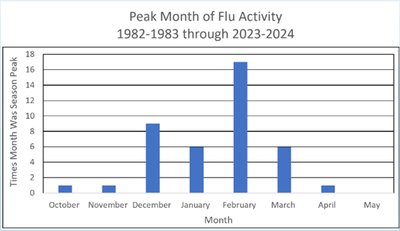
Seasonal Trends: Flu activity typically peaks in winter months, with February being the most common peak month.
Geographic Spread of Influenza
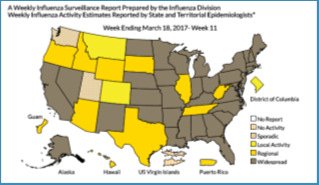
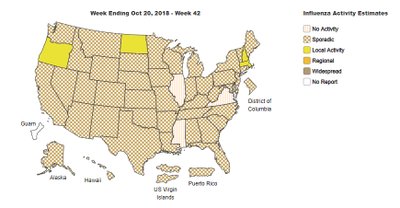
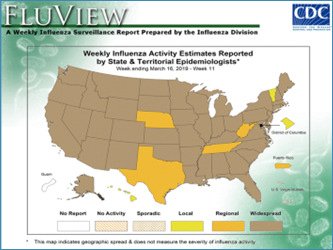
Maps show the geographic distribution of influenza activity across the United States, indicating areas with local, regional, or widespread outbreaks.
Surveillance Maps: Weekly reports highlight states with varying levels of flu activity.
Burden of Disease
Influenza causes significant morbidity and mortality each year, especially among the very young and very old.
Annual Impact: Even in a "normal" year, influenza kills approximately 36,000 people in the U.S. and hospitalizes 200,000.
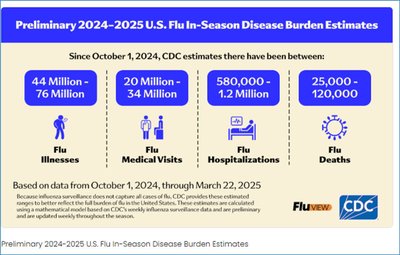
2024–2025 Estimates: CDC estimates between 44–76 million flu illnesses, 20–34 million medical visits, 580,000–1.2 million hospitalizations, and 25,000–120,000 deaths.
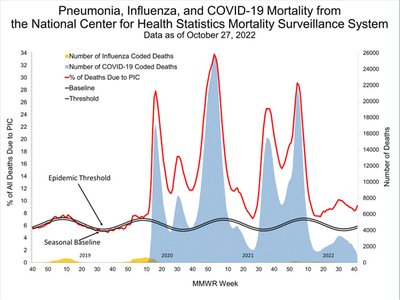
Mortality Surveillance
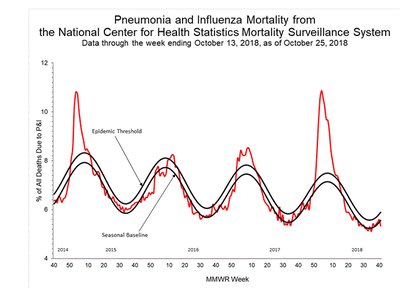
Mortality from influenza and related diseases is tracked to identify epidemic thresholds and seasonal patterns.
Pneumonia and Influenza Mortality: Surveillance systems monitor the percentage of deaths due to pneumonia and influenza, comparing to epidemic thresholds.
COVID-19 Impact: Recent years include monitoring of COVID-19 alongside influenza and pneumonia.
Summary Table: Influenza Vaccine Recommendations
The following table summarizes key recommendations for influenza vaccination and antiviral use:
Recommendation | Eligible Population | Exceptions |
|---|---|---|
Annual Flu Vaccine | Everyone 6 months and older | Egg allergy, current fever (egg-free vaccines available) |
Antiviral Medications | High-risk groups (pregnant, young children, elderly, chronic illness, nursing homes) | None |
Additional info:
Influenza virus mutates rapidly, necessitating annual updates to vaccine composition.
Egg-based production is traditional, but cell-based and recombinant technologies are increasingly used to improve vaccine efficacy and accessibility.
Public health surveillance is critical for timely response to influenza outbreaks and for guiding vaccine strain selection.
