 Indietro
Intracranial Regulation and Cognition: Anatomy & Physiology Study Guide
Guida di studio - Note intelligenti
 Appunti personalizzati basati sui tuoi materiali, ampliati con definizioni chiave, esempi e contesto.
Central Nervous System
Structures and Functions
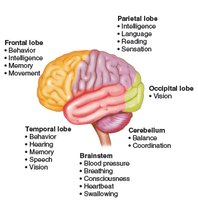
The central nervous system (CNS) consists of the brain and spinal cord, responsible for processing and integrating information, and controlling behavior, movement, and vital functions.
Level of Consciousness: The degree of alertness and awareness of the environment.
Orientation: Awareness of person, place, time, and event.
Thought and Behavior: Cognitive processes and actions regulated by the CNS.
Autonomic Nervous System
Parasympathetic vs. Sympathetic Nervous System
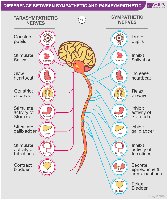
The autonomic nervous system regulates involuntary body functions through two divisions: parasympathetic and sympathetic.
Parasympathetic Nervous System: "Rest and Digest"; uses acetylcholine as neurotransmitter; promotes relaxation and digestion.
Sympathetic Nervous System: "Fight or Flight"; uses adrenaline (epinephrine); prepares the body for stress and emergency situations.
Peripheral Nervous System
Dermatomes and Spinal Nerve Roots
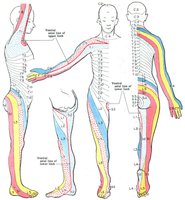
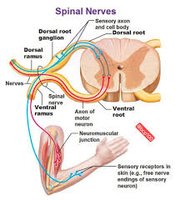
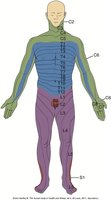
The peripheral nervous system (PNS) connects the CNS to limbs and organs. Dermatomes are areas of skin innervated by specific spinal nerve roots.
Motor: Controls muscle movement via ventral motor nerve roots.
Sensory: Transmits sensory information via dorsal sensory nerve roots.
Autonomic: Regulates involuntary body processes.
Level of Consciousness Terminology
Definitions and Clinical Relevance
Assessment of consciousness is crucial in neurological evaluation. Levels include:
Alert: Awake or easily arousable, oriented x4.
Lethargic: Difficult to arouse, drowsy, slow responses.
Obtunded: Requires tactile stimulation, confused, mumbled speech.
Stupor: Requires painful stimuli, minimal response.
Unresponsive: No response to stimuli (coma).
Cognition Assessment
Mentation Status and Orientation
Cognition encompasses intellect, behavior, language, memory, judgment, and decision-making. Assessment includes:
Orientation: Person, place, time, event.
Command Following: Ability to follow instructions and demonstrate symmetrical movements.
Emotional Status: Evaluation of emotional stress and affect.
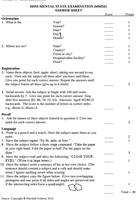
Mini Mental State Examination (MMSE)
The MMSE is a screening tool for cognitive impairment, including dementia and memory loss. It assesses:
Orientation
Registration
Recall
Language
Scoring: 25-30 points = normal cognition; 24 or lower = potential impairment.
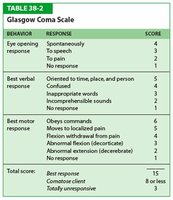
Glasgow Coma Scale (GCS)
The GCS is used to assess consciousness in patients with brain injury. It evaluates:
Eye Opening Response
Best Verbal Response
Best Motor Response
Scoring: 15 = best response; 13-15 = mild injury; 9-12 = moderate injury; 3-8 = severe injury; 3 = comatose/unresponsive.
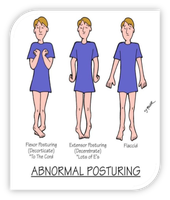
Intracranial Assessment: Subjective Data
Common Symptoms and History
Subjective data collection is essential for identifying neurological disorders. Key symptoms include:
Headache: Onset, frequency, severity, location, quality, associated factors.
Head Injury: Event history, loss of consciousness, recall.
Dizziness/Vertigo: Onset, duration, description, frequency, positional association.
Seizures: Motor activity, postictal phase, precipitating factors, medication therapy.
Tremors: Onset, type, duration, frequency, precipitating/alleviating factors.
Syncope: Precipitating signs, loss of consciousness, frequency.
Additional History: Infants, Children, and Aging Adults
Special considerations for different age groups include developmental milestones, environmental exposures, and impact on activities of daily living (ADLs).
Cranial Nerve Assessment
Cranial Nerve Overview
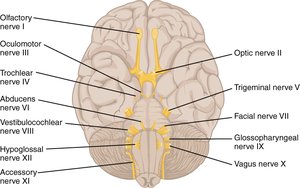
Cranial nerves are assessed to determine neurological function and monitor disease progression. There are 12 cranial nerves, each with specific functions.
Cranial Nerve Testing
Each cranial nerve is tested for motor and sensory function:
CN I (Olfactory): Sense of smell.
CN II (Optic): Visual acuity and fields.
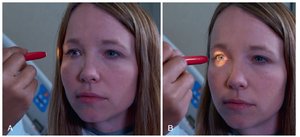
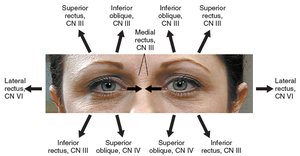
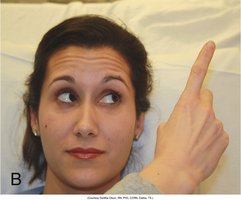
CN III, IV, VI: Eye movements, pupil response.
CN V (Trigeminal): Facial sensation, jaw movement.
CN VII (Facial): Facial expressions, taste.
CN VIII (Acoustic): Hearing acuity.
CN IX, X: Swallowing, gag reflex, palate movement.
CN XI (Spinal Accessory): Shoulder and head movement.
CN XII (Hypoglossal): Tongue movement.
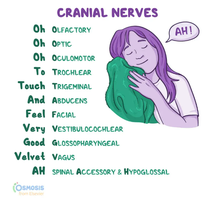
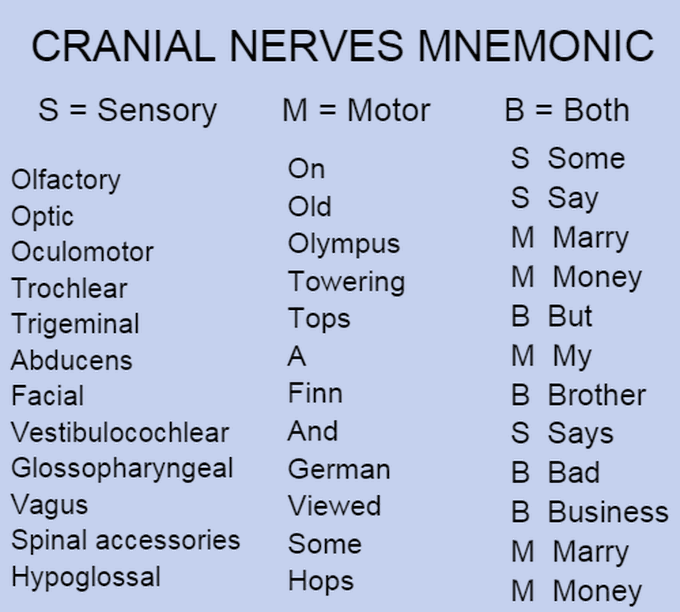
Cranial Nerve Mnemonics
Mnemonics help memorize cranial nerve names and functions.
Sensory and Motor Spinal Nerves Assessment
Sensory Nerve Assessment
Tests include pain, temperature, vibration, position, and touch.
Motor Function Assessment
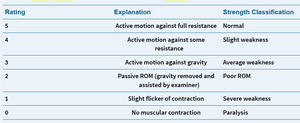
Strength is tested using a 0-5 scale, and coordination is evaluated through various tests.
Strength Testing: Push/pull against resistance, pronator drift.
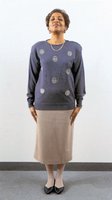
Balance: Gait, tandem walking, Romberg test.
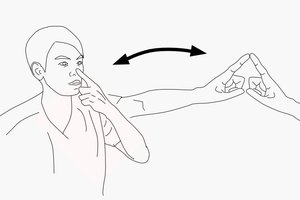
Coordination: Finger opposition, finger-nose-finger test.
Sensory Nerve Testing
Methods and Tools
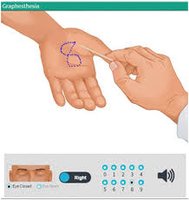
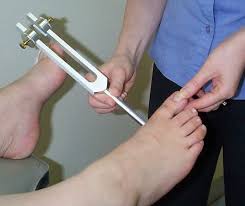
Sensory function is assessed using tactile tests, two-point discrimination, vibration, stereognosis, graphesthesia, and proprioception.
Sharp/Dull: Differentiation of pain stimuli.
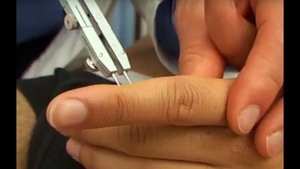
2-Point Discrimination: Ability to distinguish two points on the skin.
Vibration: Use of tuning fork.
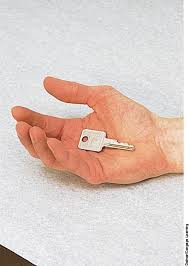
Stereognosis: Identification of objects by touch.
Graphesthesia: Recognition of writing on the skin.
Proprioception: Awareness of body position.
Reflex Testing
Deep Tendon Reflexes
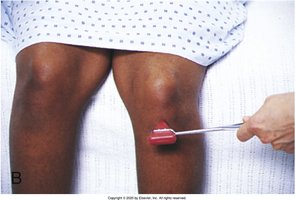
Reflexes are tested at various sites (biceps, triceps, brachioradialis, patellar, Achilles tendon) and graded on a 0-5 scale. Normal reflex is 2+.
Stroke
Types and Causes
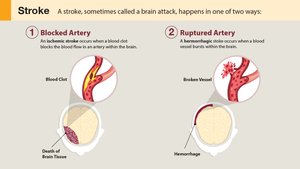
Stroke is a neurological emergency caused by either a blocked artery (ischemic stroke) or a ruptured artery (hemorrhagic stroke).
Ischemic Stroke: Blood flow blocked by clot.
Hemorrhagic Stroke: Bleeding in brain tissue.
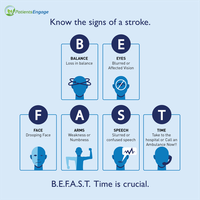
Recognizing Stroke: B.E. F.A.S.T. Acronym
Key signs and symptoms of stroke can be remembered with the B.E. F.A.S.T. acronym:
Balance: Loss of balance
Eyes: Blurred or affected vision
Face: Drooping face
Arms: Weakness or numbness
Speech: Slurred or confused speech
Time: Call emergency services immediately
Stroke Risk Factors and Health Promotion
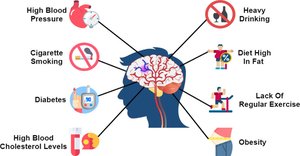
Risk factors for stroke include hypertension, diabetes, high cholesterol, smoking, obesity, and sedentary lifestyle. Health promotion involves education, risk reduction, and safety measures.
Health Promotion and Risk Reduction
Teaching Opportunities
Preventive strategies include home safety, fall prevention, medication management, and use of safety equipment. Vaccination against meningococcal disease is recommended for at-risk populations.
Dash Diet: Reduces fat intake, supports vascular health.
Regular Exercise: Improves circulation and reduces risk of stroke.
Rehabilitation: Interdisciplinary care for stroke management.
Additional info: Academic context was added to clarify the clinical relevance and physiological mechanisms underlying each assessment and health promotion strategy.
